What Are the Optimal Solutions for Ice Cream Packaging?
Anna_Yu
What Are the Optimal Solutions for Ice Cream Packaging?
Ice cream is one of the most temperature-sensitive food products in the global frozen food industry. Its creamy texture, flavor stability, and visual appeal can be significantly affected by environmental conditions such as temperature fluctuations, moisture loss, oxygen exposure, and freezer burn. As consumer expectations continue to rise, packaging is no longer just a protective layer—it has become a critical factor in maintaining product quality, improving convenience, and strengthening brand identity.
Traditional ice cream packaging formats such as paper cartons and rigid plastic containers are still widely used, but flexible packaging solutions are becoming increasingly popular due to their lightweight structure, strong barrier properties, and cost efficiency. Flexible packaging offers excellent adaptability for a wide variety of ice cream products, including ice cream bars, sandwiches, mochi ice cream, frozen desserts, and family-size frozen treats.
To achieve optimal packaging performance, manufacturers must carefully consider packaging materials, sealing technologies, moisture protection, and low-temperature durability. This guide explores the best flexible packaging solutions for ice cream products and explains how the right packaging strategy can improve shelf life, transportation efficiency, and overall consumer experience.
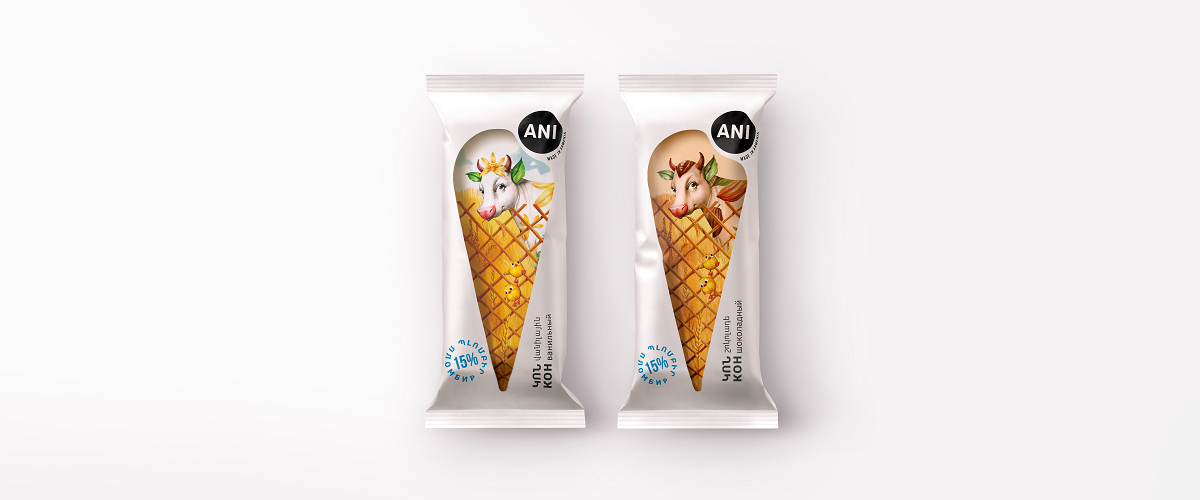
1. What Types of Flexible Packaging Are Best for Ice Cream Products?
Different ice cream products require different flexible packaging formats.
Flow Wrap Packaging
- Commonly used for ice cream bars and sandwiches
- Compatible with high-speed packaging lines
- Provides efficient sealing and protection
Pillow Pouches
- Suitable for small frozen dessert products
- Cost-effective and lightweight
Stand-Up Pouches
- Ideal for frozen bites or multi-piece ice cream snacks
- Offers strong shelf visibility and resealable options
Laminated Rollstock Films
- Used in automated filling and sealing systems
- Suitable for large-scale production
Multi-Pack Flexible Packaging
- Supports grouped retail packaging for family-size products
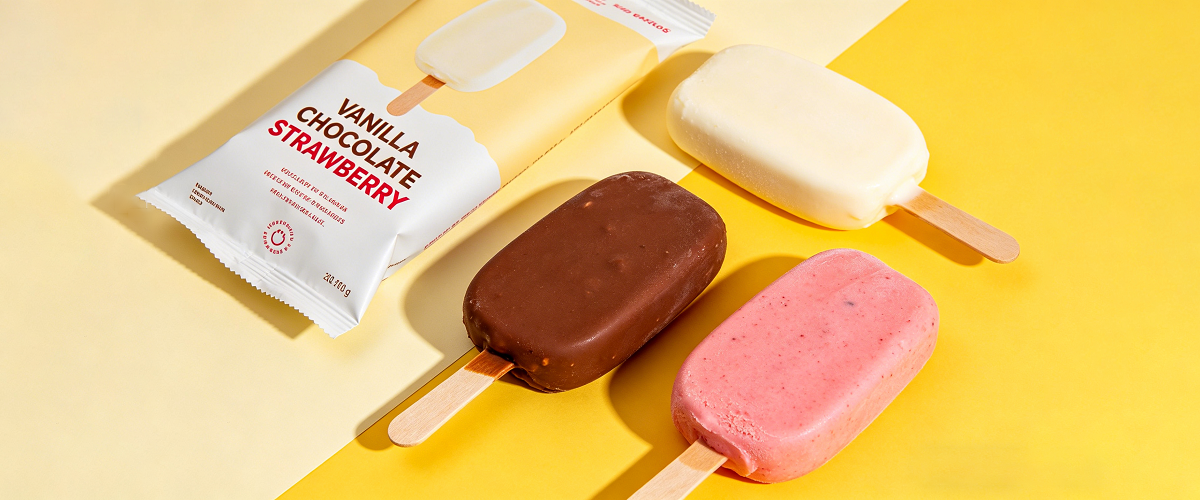
2. How Does Flexible Packaging Protect Ice Cream in Frozen Storage Conditions?
Ice cream packaging must maintain product integrity in extreme low temperatures.
Moisture Barrier Protection
Prevents moisture migration that can lead to freezer burn and ice crystal formation.
Oxygen Barrier Performance
Reduces oxidation that may affect flavor and fat stability.
Low-Temperature Flexibility
Flexible films must remain durable and crack-resistant under frozen conditions.
Seal Integrity
Strong heat seals prevent package failure during freezing and transportation.
Contamination Protection
Packaging protects against external contaminants and odors in frozen storage environments.
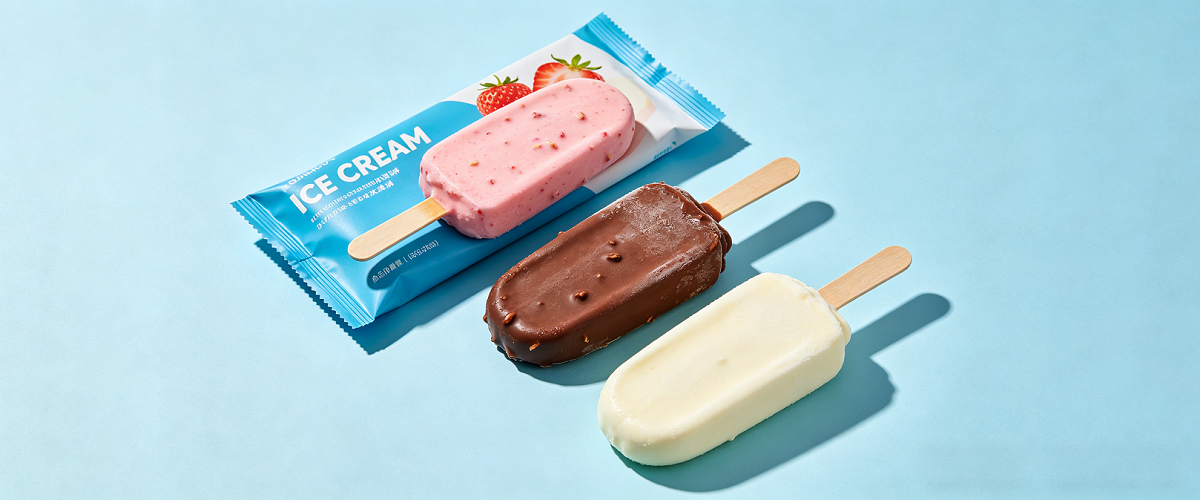
3. Which Packaging Materials Provide the Best Barrier Against Moisture and Freezer Burn?
Material selection is critical for frozen food packaging performance.
PET (Polyethylene Terephthalate)
- Strong mechanical strength
- Excellent printability
- Suitable outer layer
PE (Polyethylene)
- Excellent sealing performance
- Maintains flexibility at low temperatures
BOPP (Biaxially Oriented Polypropylene)
- Good moisture resistance
- Cost-effective for frozen snack products
Metallized Films (MPET)
- Enhanced barrier against moisture and oxygen
- Suitable for extended frozen shelf life
Aluminum Foil Laminates
- Superior barrier performance
- Ideal for premium frozen products
Typical Laminated Structures
| Structure | Features | Applications |
|---|---|---|
| BOPP/PE | Cost-effective | Standard ice cream bars |
| PET/PE | Strong and reliable | Frozen desserts |
| PET/MPET/PE | Enhanced barrier | Premium frozen products |
| PET/AL/PE | Maximum moisture and oxygen barrier | Long shelf life and export markets |
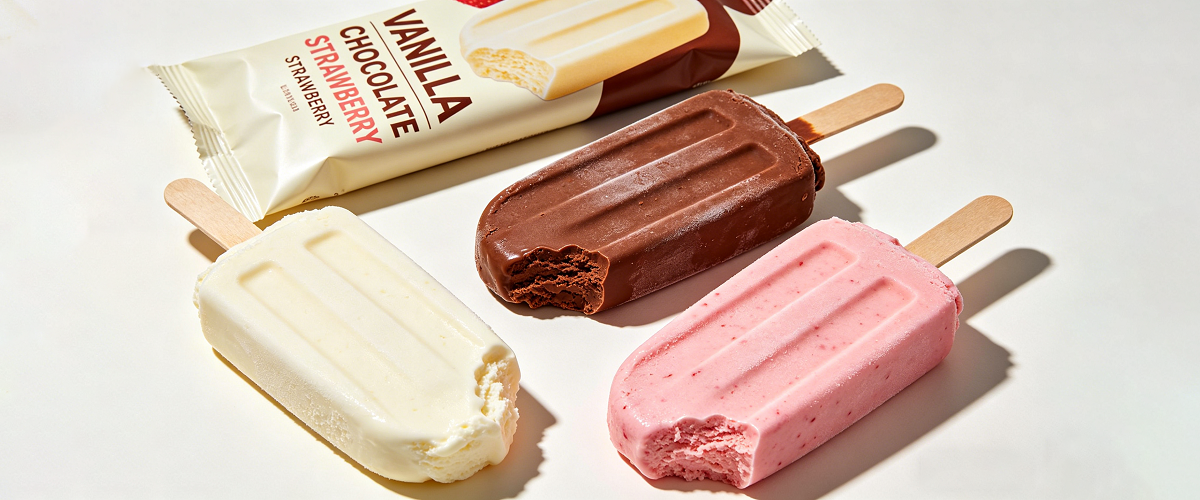
4. What Packaging Features Improve Convenience and Product Presentation for Ice Cream?
Modern packaging must balance functionality with consumer experience.
Easy-Open Features
Tear notches and peelable seals improve convenience.
Resealable Closures
Suitable for multi-piece frozen snack products.
High-Quality Printing
Bright graphics and premium finishes improve shelf appeal.
Anti-Fog and Gloss Finishes
Enhance visual presentation in freezer displays.
Durable Seal Design
Maintains package integrity during transportation and retail handling.
Portion-Control Packaging
Supports convenience and freshness for single-serve consumption.
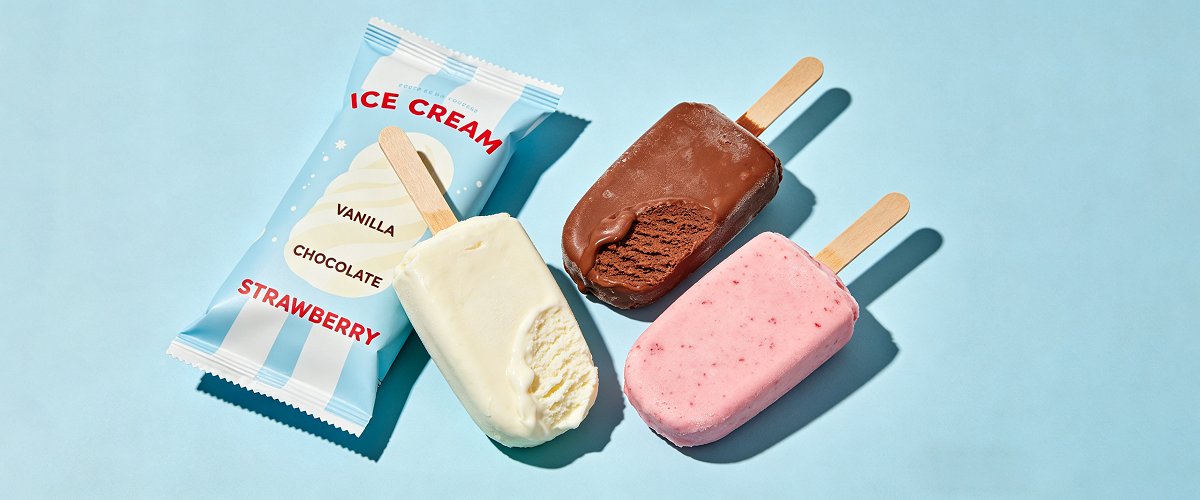
5. Optimal Ice Cream Packaging Solutions: Key Factors for Shelf Life, Distribution, and Branding
An effective packaging strategy improves both product quality and operational efficiency.
Frozen Storage Stability
Packaging must withstand low temperatures and humidity fluctuations.
Transportation Efficiency
Lightweight flexible packaging reduces shipping and storage costs.
Shelf Life Extension
High-barrier materials help minimize freezer burn and flavor degradation.
Retail Display Performance
Eye-catching designs improve visibility in crowded freezer sections.
Sustainability Opportunities
Flexible packaging can reduce material usage compared to rigid alternatives.
FAQ
Why does ice cream develop freezer burn?
Freezer burn occurs when moisture escapes from the product and forms ice crystals due to inadequate barrier protection.
What packaging materials are best for frozen products?
PET, PE, BOPP, metallized films, and aluminum foil laminates are commonly used.
Can flexible packaging withstand freezing temperatures?
Yes. Properly designed flexible packaging remains durable and flexible in frozen storage conditions.
Is resealable packaging useful for ice cream products?
Yes. It is especially beneficial for multi-piece or family-size frozen snack products.
Conclusion
Flexible packaging provides highly effective solutions for modern ice cream products by combining strong moisture and oxygen barriers, low-temperature durability, and attractive product presentation. By selecting appropriate packaging formats, barrier materials, and functional features, manufacturers can protect ice cream from freezer burn, preserve flavor and texture, and improve overall consumer convenience. In addition to enhancing product quality, flexible packaging also supports efficient transportation, cost reduction, and strong branding opportunities. As the frozen dessert market continues to expand, optimized flexible packaging will remain essential for ensuring product performance and market competitiveness.