What Kind of Flexible Packaging Is Suitable for German Sausages?
Anna_Yu
What Kind of Flexible Packaging Is Suitable for German Sausages?
German sausages are globally recognized for their variety, quality, and traditional processing techniques. From smoked bratwurst and cooked bockwurst to specialty regional sausages, these products are widely distributed through supermarkets, delicatessens, food service channels, and export markets. However, as high-protein, high-moisture meat products, German sausages require carefully designed packaging solutions to maintain freshness, prevent spoilage, and comply with strict food safety standards.
Unlike dry snacks or shelf-stable foods, sausages are highly sensitive to oxygen exposure, microbial contamination, moisture loss, and temperature fluctuations. Smoked and cooked sausages may contain natural fats that oxidize easily, leading to off-flavors and discoloration. Chilled products are especially vulnerable to bacterial growth if packaging integrity fails. Therefore, selecting the appropriate flexible packaging structure is critical for extending shelf life and ensuring food safety.
Flexible packaging has become the preferred solution for sausage manufacturers because it supports vacuum packaging and modified atmosphere packaging (MAP), provides excellent barrier performance, reduces material usage, and improves cold-chain efficiency. Compared to rigid trays and bulky containers, flexible laminated films offer better cost efficiency, enhanced seal strength, and superior adaptability for export logistics.
This comprehensive guide explores the best flexible packaging types, barrier materials, preservation methods, and critical factors for storage, transportation, and export of German sausage products.
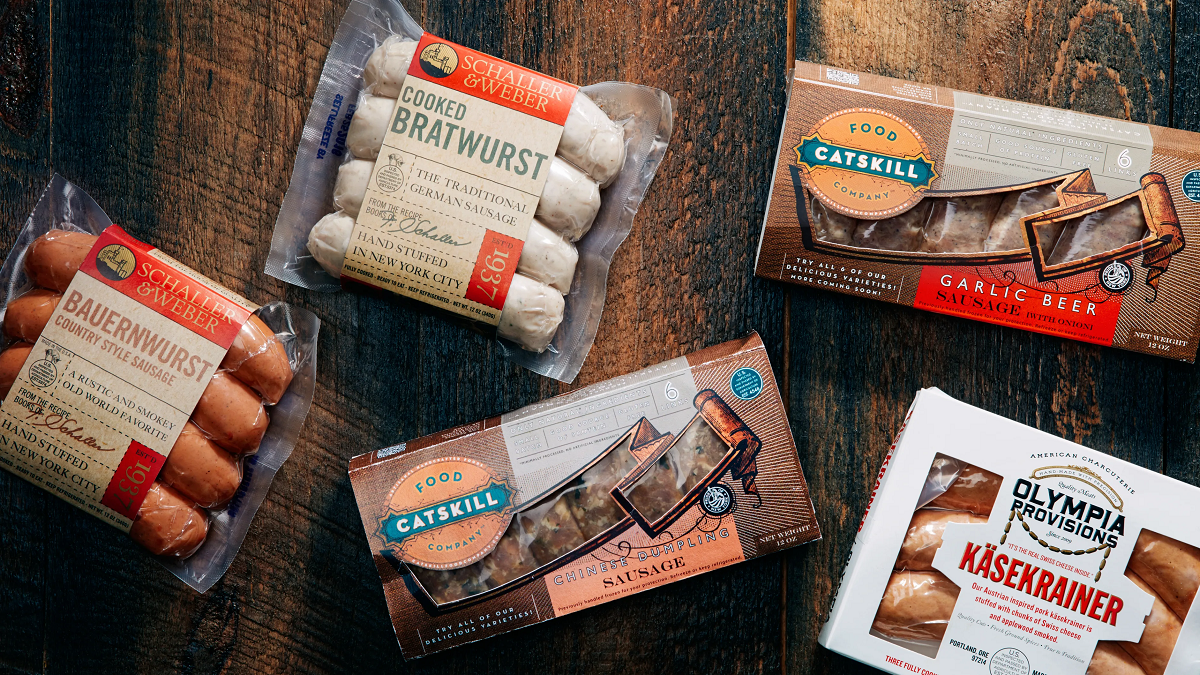
1. What Types of Flexible Packaging Are Best for German Sausage Products?
Different sausage formats require different packaging approaches.
Vacuum Pouches
Widely used for:
- Cooked sausages
- Smoked sausages
- Chilled distribution
Vacuum packaging removes oxygen, significantly reducing oxidation and microbial growth.
Thermoforming Films (Top & Bottom Web)
Common in retail supermarkets:
- Tray-based sausage packaging
- MAP applications
- Attractive product display
They offer high clarity and strong sealing performance.
Shrink Bags
Ideal for:
- Whole sausages
- Bulk food service packaging
Shrink packaging provides tight product conformity and reduces purge accumulation.
Stand-Up Pouches (Frozen Applications)
Suitable for:
- Frozen sausage products
- Family-size retail packs
They combine freezer resistance with resealable convenience.
Retort Pouches (For Shelf-Stable Sausage Meals)
Used for:
- Ready-to-eat sausage dishes
- Long shelf-life ambient storage
Require high-temperature resistant laminated structures.
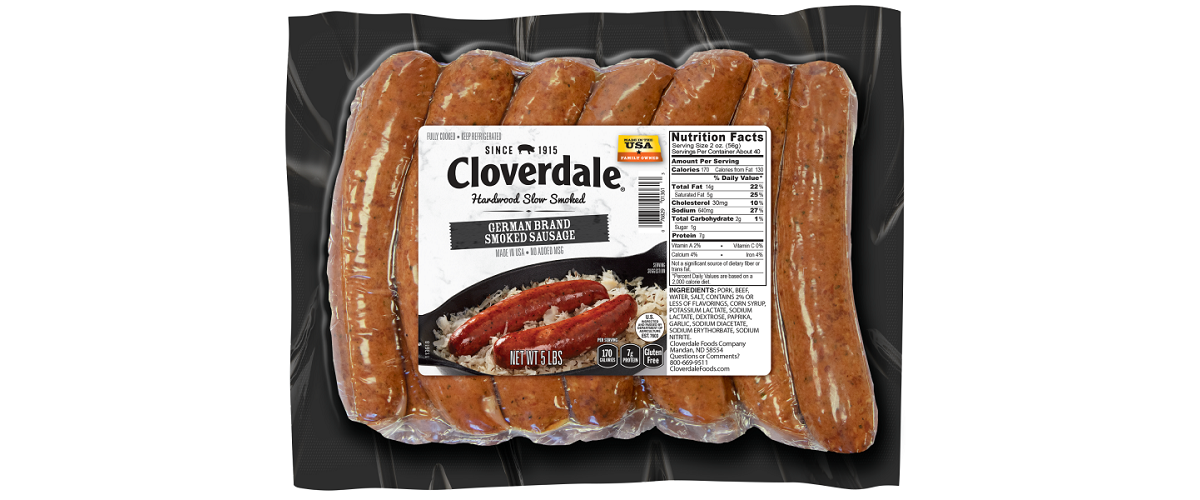
2. How Does Flexible Packaging Help Preserve Freshness and Prevent Spoilage?
Freshness preservation depends heavily on barrier performance and atmosphere control.
Oxygen Reduction
Oxygen exposure causes:
- Fat oxidation
- Color fading
- Flavor deterioration
Vacuum and MAP systems reduce oxygen levels, extending shelf life.
Moisture Retention
Proper packaging:
- Prevents moisture loss
- Reduces weight shrinkage
- Maintains texture and juiciness
Low MVTR materials are essential.
Microbial Control
Modified atmosphere packaging can:
- Suppress aerobic bacteria
- Extend chilled shelf life
- Reduce spoilage risk
Especially critical for fresh sausages.
Cold Chain Compatibility
Flexible packaging must maintain:
- Seal strength at low temperatures
- Structural integrity during freezing and thawing
Ensuring consistent product safety.
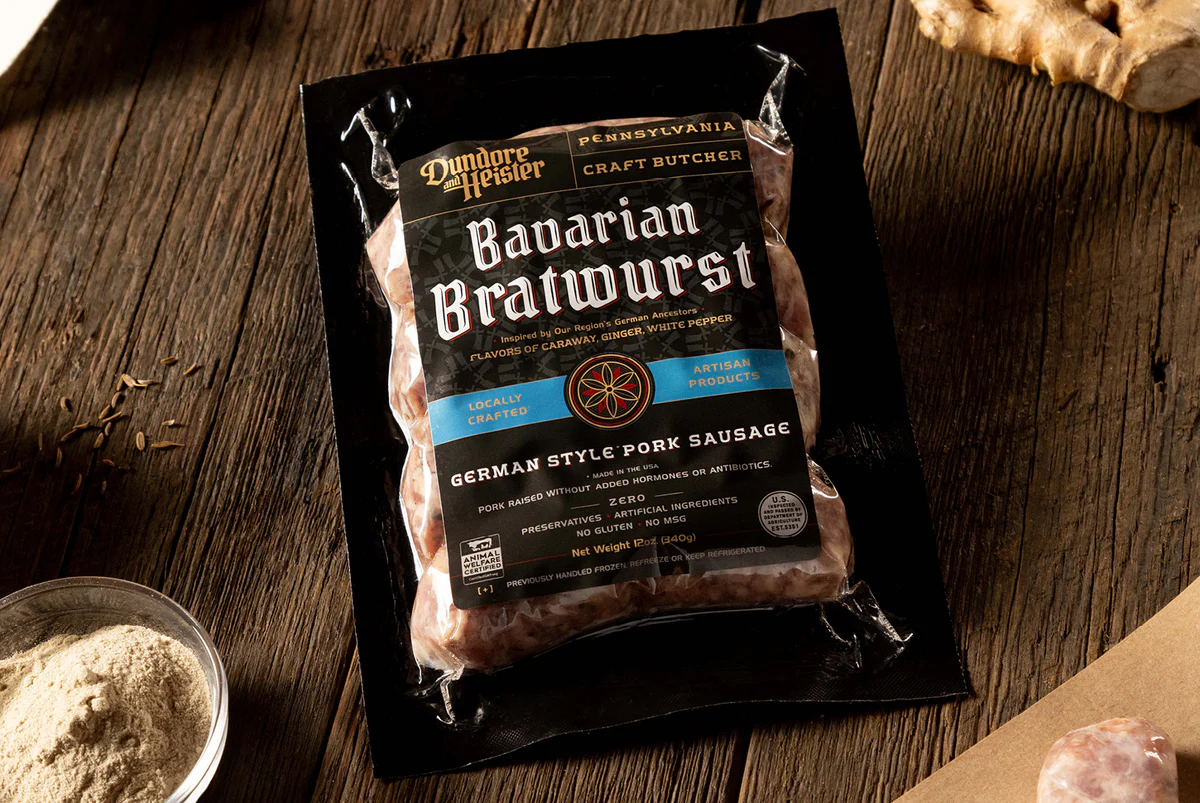
3. Which Barrier Materials Are Ideal for Smoked and Cooked Sausages?
Material selection determines protection performance.
Polyamide (PA) / Polyethylene (PE)
Commonly used for:
- Vacuum sausage packaging
- Chilled applications
Offers good puncture resistance and moderate oxygen barrier.
PET / PA / PE Laminates
Provide:
- Enhanced oxygen barrier
- Improved mechanical strength
- Strong sealing reliability
Suitable for export and longer shelf life.
PET / AL / PE Structures
Offer:
- Very high oxygen and moisture barrier
- Light protection
- Extended shelf life
Recommended for long-distance export.
High-Barrier EVOH Structures
Used in MAP applications to:
- Achieve extremely low oxygen transmission
- Maintain color and freshness
Particularly effective in retail display environments.
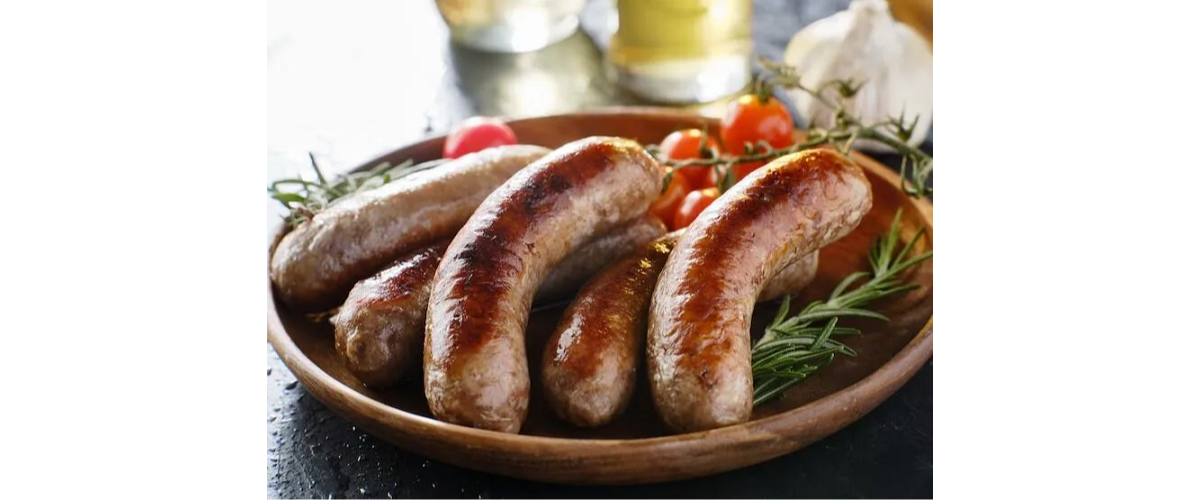
4. What Packaging Features Are Essential for Vacuum or Modified Atmosphere Packaging (MAP)?
Advanced sausage packaging requires specific technical features.
High Seal Strength
Critical to:
- Prevent leakage
- Maintain vacuum integrity
- Avoid gas escape in MAP systems
Seal testing is essential.
Puncture Resistance
Sausage casings and clips may create pressure points. Films must resist tearing during handling and stacking.
Anti-Fog Properties
Important for retail trays:
- Prevent condensation
- Maintain clear product visibility
Enhances shelf appeal.
Gas Barrier Stability
For MAP packaging, films must:
- Retain CO₂ concentration
- Prevent oxygen ingress
- Maintain internal gas balance
Ensuring consistent shelf life.
Food-Grade Compliance
Packaging must meet:
- EU food-contact regulations
- FDA standards
- Migration and heavy metal limits
Especially critical for international markets.
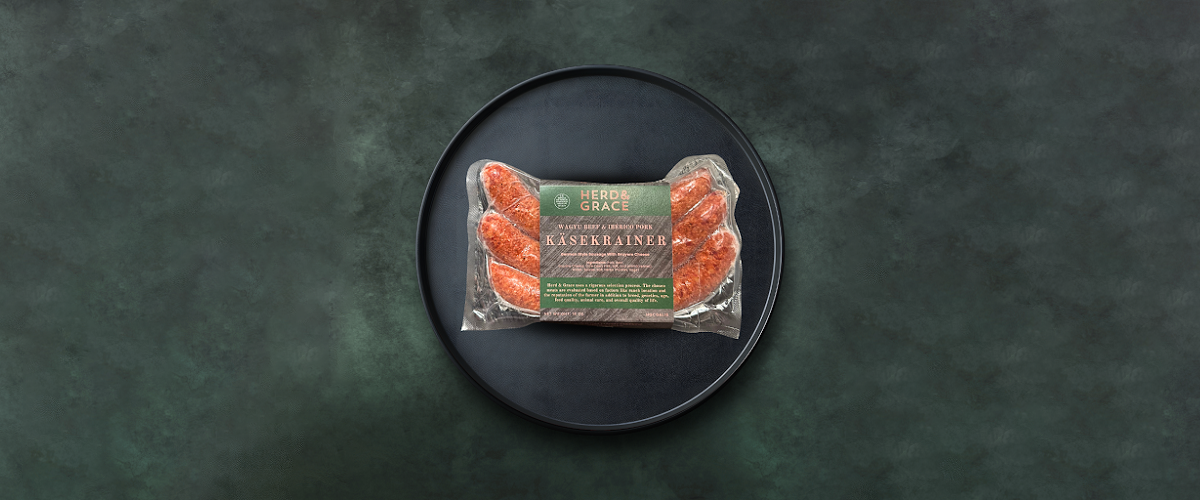
5. Flexible Packaging for German Sausages: Key Factors for Storage, Transportation, and Export
Strategic packaging decisions influence long-term profitability.
Shelf-Life Targets
Typical shelf-life expectations:
- Fresh chilled sausages: 7–21 days (MAP dependent)
- Cooked vacuum-packed sausages: 30–60 days
- Frozen sausages: 6–12 months
Packaging materials must match product type.
Export Durability
Export packaging must withstand:
- Extended sea freight
- Temperature variations
- Mechanical stress
High-barrier laminates and strong seals are essential.
Logistics Efficiency
Flexible packaging reduces:
- Shipping weight
- Storage space
- Handling costs
Improving supply chain efficiency.
Sustainability Considerations
Increasing demand for:
- Recyclable mono-material PE films
- Reduced plastic usage
- Lower carbon footprint packaging
Aligning with European environmental regulations.
Industry Trends in Sausage Flexible Packaging
| Trend | Description | Market Impact |
|---|---|---|
| MAP technology | Extended chilled shelf life | Reduced spoilage |
| EVOH barrier films | Ultra-low oxygen transmission | Improved color retention |
| Recyclable PE films | Eco-friendly solutions | Regulatory compliance |
| Anti-fog films | Retail display clarity | Enhanced consumer trust |
| Lightweight laminates | Material reduction | Cost optimization |
FAQ
What is the best packaging for German sausages?
Vacuum pouches or MAP thermoforming films with high oxygen barriers are ideal.
Is aluminum foil necessary for sausage packaging?
For long-term export or extended shelf-life products, foil laminates provide maximum protection.
How does MAP improve sausage shelf life?
By replacing oxygen with controlled gas mixtures, reducing microbial growth and oxidation.
Can flexible packaging be used for frozen sausages?
Yes, freezer-resistant multi-layer laminates are widely used for frozen applications.
Conclusion
German sausage packaging requires careful attention to oxygen control, moisture retention, seal strength, puncture resistance, and cold-chain compatibility. Flexible packaging provides a versatile and cost-effective solution that supports vacuum and modified atmosphere systems while ensuring food safety compliance and efficient logistics. By selecting appropriate high-barrier materials and incorporating critical packaging features, manufacturers can extend shelf life, protect product quality, enhance retail appeal, and strengthen competitiveness in both domestic and export markets. In the demanding meat processing industry, advanced flexible packaging is a strategic investment in product safety and long-term brand success.