What Kinds of Food Are Suitable for Packaging on Kraft Paper Pouches?
Anna_Yu
What Kinds of Food Are Suitable for Packaging on Kraft Paper Pouches?
Kraft paper pouches have become increasingly popular in the food packaging industry due to their natural appearance, eco-friendly perception, and versatility. As consumers grow more environmentally conscious, brands are shifting toward packaging solutions that reflect sustainability while still maintaining product quality and safety. Kraft paper pouches strike a balance between these demands, offering a combination of aesthetic appeal and functional performance.
However, not all food products are suitable for kraft paper packaging. Since kraft paper alone does not provide strong barrier protection against moisture, oxygen, or grease, it is often combined with inner layers such as PE, aluminum foil, or metallized films. Choosing the right structure depends on the specific characteristics of the food product, including moisture content, fat levels, and required shelf life.
For manufacturers, understanding which foods are best suited for kraft paper pouches—and when additional barrier layers are necessary—is essential for making the right packaging decisions. This guide explores the types of food products that work well with kraft paper pouches, why they are ideal for certain categories, and how to balance sustainability with performance.
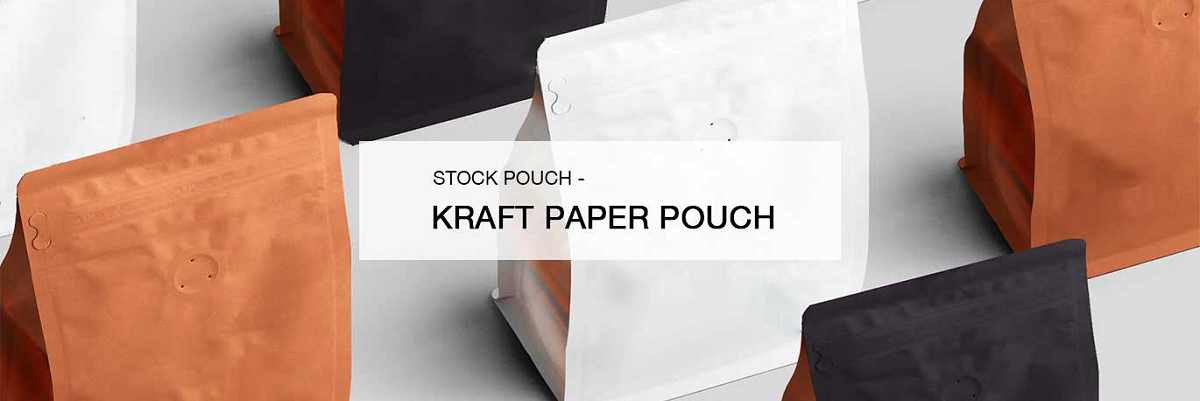
1. What Types of Food Products Are Best Suited for Kraft Paper Pouches?
Kraft paper pouches are most suitable for dry, low-moisture food products.
Dry Snacks
- Nuts
- Dried fruits
- Crackers
- Chips
These products benefit from basic moisture protection and attractive packaging.
Powdered Products
- Coffee
- Tea
- Protein powder
- Flour
They are lightweight and easy to store in kraft paper pouches.
Granular Foods
- Sugar
- Salt
- Grains
- Rice
These products require moderate protection and are well-suited for kraft packaging.
Baked Goods
- Cookies
- Biscuits
- Breadsticks
Kraft pouches enhance the natural, artisanal image of these products.

2. Why Are Kraft Paper Pouches Ideal for Dry and Lightweight Foods?
Kraft paper pouches offer several advantages for specific food categories.
Breathability
Kraft paper allows limited air exchange, which can be beneficial for certain dry products.
Lightweight Structure
Ideal for products that do not require heavy-duty protection.
Natural Appearance
The rustic look of kraft paper aligns with:
- Organic products
- Handmade goods
- Premium artisanal brands
Cost Efficiency
Kraft paper is generally more affordable than high-barrier materials.

3. Which Foods Require Additional Barrier Layers in Kraft Paper Packaging?
Some food products need enhanced protection beyond basic kraft paper.
High-Fat Foods
- Nuts with high oil content
- Chocolate
- Snack mixes
Require grease resistance and oxygen barriers to prevent rancidity.
Moisture-Sensitive Products
- Coffee
- Tea
- Powdered beverages
Need moisture barriers to prevent clumping and spoilage.
Long Shelf-Life Products
Products intended for extended storage or export require stronger barrier structures.
Foods Requiring Aroma Protection
- Coffee
- Spices
- Herbs
Need additional layers to retain aroma and prevent odor loss.
Common Laminated Structures
| Structure | Features | Applications |
|---|---|---|
| Kraft/PE | Basic moisture resistance | Dry foods |
| Kraft/Window/PE | Visibility + protection | Snacks and baked goods |
| Kraft/MPET/PE | Enhanced barrier | Coffee, tea, nuts |
| Kraft/AL/PE | Maximum protection | Premium or export products |
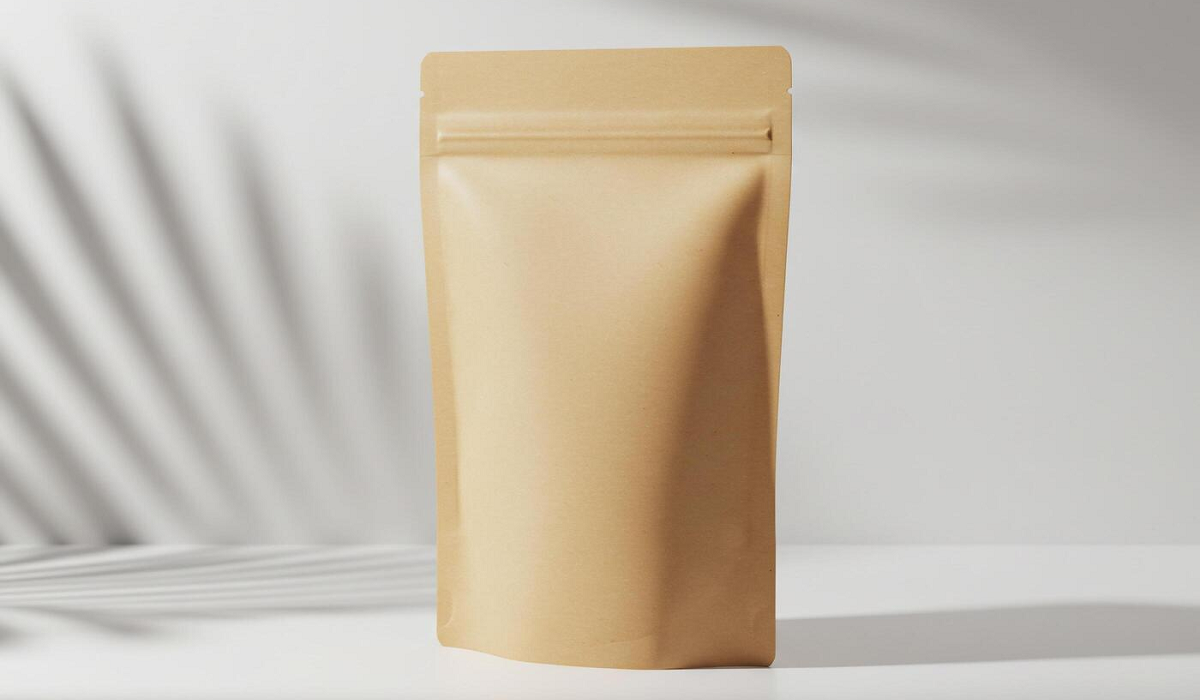
4. How Do Kraft Paper Pouches Balance Sustainability and Product Protection?
Kraft paper pouches are often chosen for their eco-friendly image.
Reduced Plastic Usage
Using kraft paper reduces reliance on plastic materials.
Recyclability Potential
Some kraft pouches are recyclable depending on their structure and local recycling systems.
Biodegradable Options
Certain kraft materials can be biodegradable, enhancing sustainability.
Combining Paper with Barrier Layers
Laminated structures allow brands to maintain:
- Product protection
- Environmental positioning

5. Kraft Paper Pouch Packaging: Key Factors for Food Safety and Shelf Life
When choosing kraft paper pouches, several factors must be considered.
Product Characteristics
Moisture content, fat levels, and shelf life requirements determine packaging structure.
Barrier Requirements
Selecting the right inner layer ensures adequate protection against:
- Moisture
- Oxygen
- Light
Storage Conditions
Environmental factors such as humidity and temperature affect packaging performance.
Compliance and Food Safety
Packaging must meet food-grade standards and regulatory requirements.
Branding and Consumer Appeal
Kraft paper enhances brand perception, especially for natural and organic products.
FAQ
Are kraft paper pouches suitable for all food products?
No. They are best for dry and low-moisture foods unless combined with barrier layers.
Can kraft paper pouches protect against moisture?
Basic kraft paper offers limited protection, but laminated structures improve moisture resistance.
Are kraft paper pouches eco-friendly?
Yes. They reduce plastic usage and can be recyclable or biodegradable depending on the materials used.
Can kraft paper pouches be used for premium products?
Yes. With proper design and barrier layers, they are widely used for high-end and artisanal foods.
Conclusion
Kraft paper pouches are a versatile and visually appealing packaging solution for a wide range of food products, particularly dry and lightweight items. While they offer strong sustainability advantages and branding potential, their performance depends heavily on the use of appropriate barrier layers. By carefully selecting materials and structures based on product requirements, manufacturers can achieve the right balance between environmental responsibility and product protection. As consumer demand for eco-friendly packaging continues to grow, kraft paper pouches will remain an important option for brands seeking both functionality and sustainability.