What Makes Metallized Flexible Packaging the Preferred Choice?
Anna_Yu
What Makes Metallized Flexible Packaging the Preferred Choice?
In today’s competitive packaging landscape, brands are constantly seeking solutions that balance high barrier performance, cost efficiency, visual appeal, and sustainability. Metallized flexible packaging has emerged as a preferred choice across food, pet food, pharmaceutical, and industrial sectors because it successfully integrates these critical factors into a single material solution. By combining advanced vacuum metallization technology with multi-layer laminate structures, metallized films deliver strong protection against moisture, oxygen, and light while maintaining flexibility and lightweight advantages.
Unlike traditional aluminum foil laminates, metallized films apply a microscopically thin layer of aluminum onto plastic substrates such as PET, BOPP, or CPP. This process significantly enhances barrier properties without adding substantial thickness or weight. As a result, manufacturers achieve improved shelf life performance while reducing material usage and overall packaging cost. In addition, metallized flexible packaging supports high-quality printing, matte and glossy finishes, and premium shelf presentation, making it suitable for both functional and branding-driven applications.
As global supply chains prioritize efficiency and environmental responsibility, metallized packaging offers a strategic compromise between full foil structures and transparent barrier films. This article explores how metallized flexible packaging works, why it provides superior barrier protection, how it compares to aluminum foil packaging, and which industries rely on it most heavily.
1. What Is Metallized Flexible Packaging and How Does It Work?
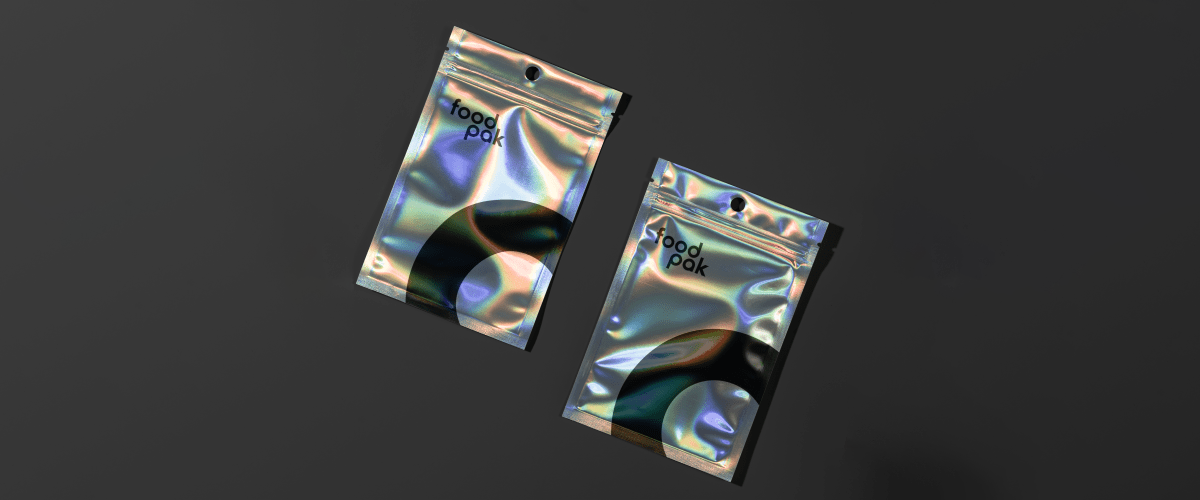
Metallized flexible packaging refers to plastic films coated with a thin aluminum layer through vacuum deposition.
Vacuum Metallization Process
The process involves:
- Placing plastic film inside a vacuum chamber
- Heating aluminum until it vaporizes
- Depositing the aluminum vapor onto the film surface
The resulting aluminum layer is extremely thin—measured in nanometers—but significantly improves barrier performance.
Common Metallized Film Structures
Typical laminate combinations include:
- PET/VMPET/PE
- BOPP/VMBOPP/CPP
- PET/VMPET/PA/PE
“VM” stands for vacuum metallized.
Functional Mechanism
The aluminum layer acts as a barrier that:
- Reflects light
- Blocks oxygen transmission
- Reduces moisture vapor permeability
While maintaining the mechanical flexibility of plastic films.
2. Why Does Metallized Film Offer Excellent Barrier Protection Against Moisture and Oxygen?
Barrier performance is the core advantage of metallized films.
Oxygen Barrier Protection
Oxygen exposure can cause:
- Oxidation of fats and oils
- Flavor degradation
- Nutrient loss
Metallized films significantly lower oxygen transmission rate (OTR), extending product shelf life.
Moisture Vapor Resistance
Products such as snacks, coffee, and powdered goods are sensitive to humidity. Metallized layers reduce moisture vapor transmission rate (MVTR), preventing:
- Staleness
- Clumping
- Texture deterioration
Light Barrier Properties
The reflective aluminum surface blocks UV and visible light, protecting:
- Color stability
- Aroma compounds
- Sensitive vitamins
Balanced Performance
While not always matching the absolute barrier level of thick aluminum foil, metallized films provide a strong cost-to-performance ratio suitable for most commercial applications.

3. How Does Metallized Flexible Packaging Compare to Aluminum Foil Packaging?
Although both incorporate aluminum, they differ in structure and performance.
Barrier Comparison
| Feature | Metallized Film | Aluminum Foil Laminate |
|---|---|---|
| Oxygen barrier | High | Very high |
| Moisture barrier | High | Excellent |
| Light protection | Strong | Complete |
| Flexibility | Excellent | Moderate |
| Risk of cracking | Low | Higher under repeated flexing |
| Cost | Lower | Higher |
Mechanical Durability
Metallized films:
- Resist cracking during folding
- Maintain barrier integrity under stress
Foil laminates can develop pinholes when creased repeatedly.
Cost Efficiency
Because the aluminum layer in metallized films is extremely thin:
- Material usage is reduced
- Production cost is lower
- Weight is lighter
Making them more economical for high-volume products.
Application Differences
Aluminum foil laminates are preferred for:
- Ultra-sensitive pharmaceuticals
- Long-term storage products
- High-temperature retort applications
Metallized films dominate in:
- Snack foods
- Coffee packaging
- Pet food
- Confectionery
4. Which Industries Prefer Metallized Flexible Packaging Solutions?
Metallized packaging serves diverse industries.
Food Industry
Common uses:
- Chips and savory snacks
- Biscuits and bakery items
- Coffee and tea
- Dried fruits
Barrier protection preserves freshness and aroma.
Pet Food Industry
Applied to:
- Dry kibble
- Pet treats
- Nutritional supplements
Protects against fat oxidation.
Confectionery
Used for:
- Chocolate
- Candy
- Seasonal sweets
Light and oxygen protection maintain quality.
Pharmaceutical & Healthcare
Suitable for:
- Powder sachets
- Nutraceutical products
- Medical disposables
Provides moisture and light protection.
Industrial and Electronics
Used for:
- Moisture-sensitive components
- Chemical powders
- Desiccant packaging
Prevents humidity-related damage.
5. Metallized Flexible Packaging: Key Advantages in Cost, Performance, and Sustainability
Metallized packaging balances multiple priorities.
Cost-Effective High Barrier
Offers strong protection without the expense of full foil laminates.
Lightweight Structure
Reduces:
- Shipping weight
- Transportation costs
- Carbon emissions
Strong Printability and Shelf Appeal
Supports:
- Matte and glossy finishes
- Metallic visual effects
- High-resolution graphics
Enhancing retail competitiveness.
Improved Mechanical Flexibility
Maintains barrier integrity even under bending and handling stress.
Sustainability Progress
Although multi-layer laminates present recycling challenges, industry developments include:
- Metallized mono-material PE structures
- Reduced aluminum deposition thickness
- Lightweight downgauging strategies
These improvements contribute to lower environmental impact.
Industry Trends in Metallized Flexible Packaging
| Trend | Description | Market Impact |
|---|---|---|
| Thin metallization layers | Reduced material usage | Cost and sustainability benefits |
| Mono-material metallized films | Improved recyclability | Regulatory compliance |
| Matte metallized finishes | Premium appearance | Brand differentiation |
| Replacement of full foil | Cost optimization | Wider adoption |
| Growth in snack & pet food markets | High barrier demand | Industry expansion |
FAQ
Is metallized flexible packaging food safe?
Yes, when manufactured using food-grade materials compliant with regulatory standards.
Does metallized film completely block oxygen?
It significantly reduces oxygen transmission but may not achieve zero permeability like thick foil.
Is metallized packaging recyclable?
Recyclability depends on the overall structure; mono-material developments are improving this area.
Can metallized films be used for vacuum packaging?
Yes, when laminated with appropriate sealant layers such as PE or CPP.
Conclusion
Metallized flexible packaging has become the preferred choice for many industries because it effectively balances barrier performance, cost efficiency, mechanical flexibility, and visual appeal. Through vacuum metallization technology, manufacturers achieve strong protection against moisture, oxygen, and light without the added weight and cost of full aluminum foil laminates. Its adaptability across food, pet food, pharmaceutical, and industrial sectors demonstrates its versatility and commercial value. As sustainability initiatives advance and lightweight high-barrier solutions remain in demand, metallized flexible packaging will continue to play a critical role in modern packaging innovation and global supply chain optimization.