What Should You Consider When Choosing Coffee Bags?
Anna_Yu
What Should You Consider When Choosing Coffee Bags?
In today’s fiercely competitive coffee market, packaging plays a far greater role than simply holding coffee beans. It communicates your brand’s identity, ensures the freshness of your product, and influences how consumers perceive quality and flavor before they even take their first sip. The right coffee bag can make the difference between being a shelf standout and getting lost in a sea of similar products.
With global coffee consumption exceeding 10 million tons annually, and specialty coffee brands increasing year over year, the choice of coffee packaging has become both an art and a science. It involves balancing materials, design, freshness preservation, and user convenience—while also aligning with sustainability goals and market expectations.
This comprehensive guide explores everything you need to know when choosing the ideal coffee bag. From analyzing pouch types and material options to understanding the roles of zippers, valves, and finishes, you’ll discover how each detail impacts freshness, branding, and customer satisfaction.
1. Pouch Type Analysis: Stand-Up Pouch or Flat Bottom Pouch?
Coffee bags come in many shapes and forms, but stand-up pouches and flat bottom pouches remain the most popular options in the market. Understanding their functional and visual differences is essential for aligning your packaging with your brand goals.
Stand-Up Pouches
Stand-up pouches feature a gusseted bottom that allows them to stand upright on shelves. They’re lightweight, economical, and provide a large printable surface area for branding.
Advantages:
- Cost-effective and easy to produce in bulk.
- Flexible size range for small or large coffee quantities.
- Lightweight and shipping-friendly.
- Works well with zippers and degassing valves.
Limitations:
- Less stable for heavier weights (over 1 kg).
- Base might expand unevenly depending on filling density.
Ideal For:
Specialty roasters, small batch coffee, or limited-edition products that need visual presence and flexibility.
Flat Bottom Pouches (Box Pouches)
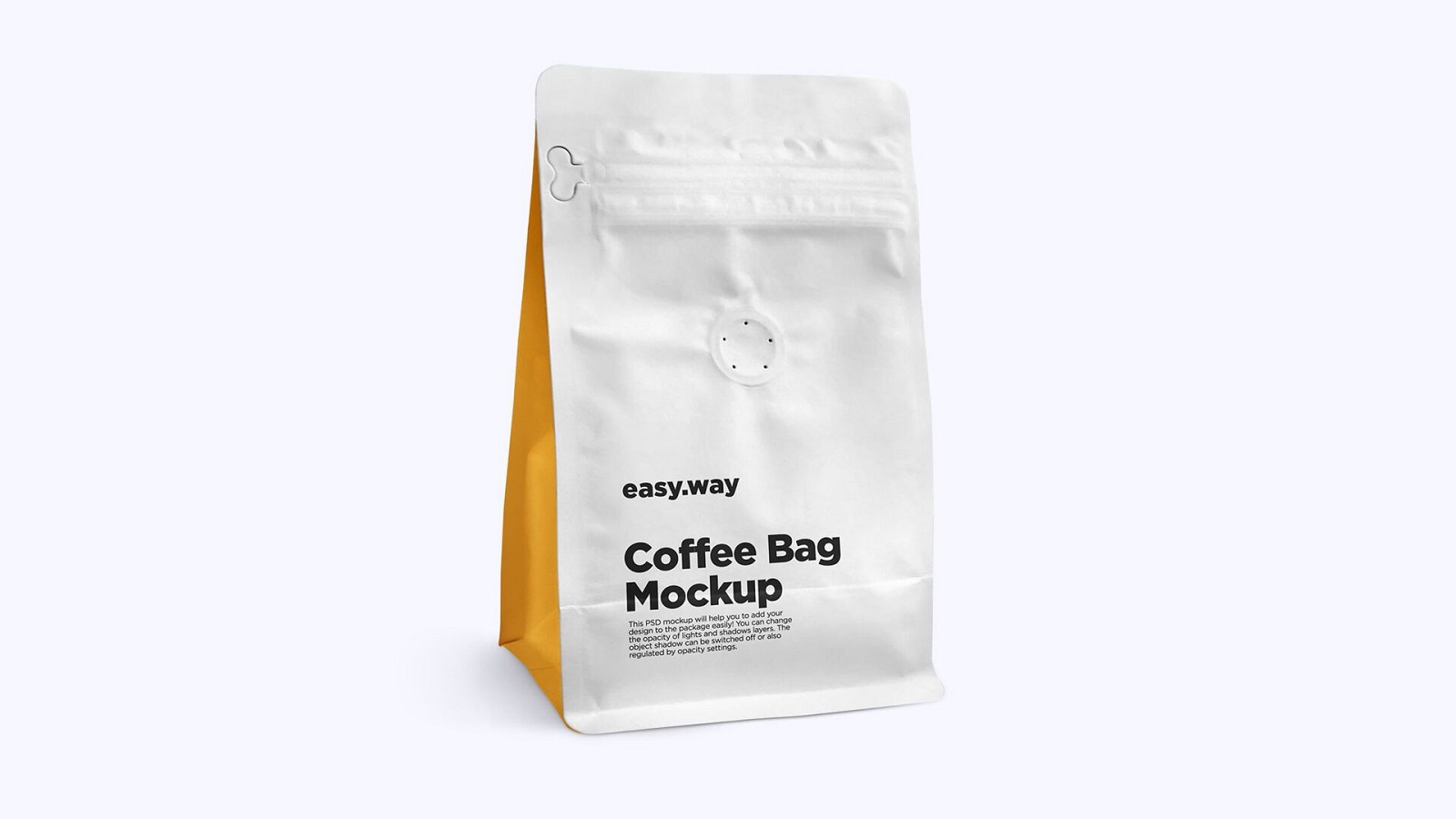
Flat bottom pouches, sometimes called block-bottom bags, combine the best features of side gusset and stand-up pouches. Their square base provides excellent stability and premium shelf appeal, often seen in luxury coffee brands.
Advantages:
- Premium, structured appearance that stands perfectly upright.
- Greater capacity and stronger load-bearing ability.
- Five printable panels for maximum branding.
- Ideal for resealable closures and valves.
Limitations:
- Slightly higher production and material costs.
- May require more precise filling machinery.
Ideal For:
Premium or large-volume coffee packaging, retail shelf displays, and high-end product lines.
Industry Insight
According to the 2024 Global Flexible Packaging Market Report, flat bottom pouches account for nearly 37% of all coffee packaging formats, driven by consumer preference for premium-looking, eco-friendly, and resealable packaging.

2. Material Selection: Which Material Is More Suitable?
Choosing the right material determines the freshness, durability, and recyclability of coffee packaging. Coffee is a sensitive product—it reacts to light, oxygen, and moisture, which can quickly deteriorate flavor. Therefore, material selection is critical for both product integrity and environmental performance.
Common Coffee Bag Materials
| Material Type | Barrier Strength | Environmental Impact | Cost Level | Typical Use |
|---|---|---|---|---|
| PET/AL/PE (3-layer laminate) | Excellent | Non-recyclable | Medium | Premium roasted coffee |
| Kraft Paper + PE | Moderate | Compostable/Recyclable | Low-Medium | Organic or eco-conscious brands |
| BOPP/Metalized Film | High | Partially recyclable | Medium | Retail packaging |
| Mono PE or Mono PP | High | Fully recyclable | High | Future-forward brands |
| PLA (bioplastic) | Moderate | Compostable | High | Sustainable packaging lines |
Barrier Properties
- PET (Polyethylene Terephthalate): Excellent printability, transparency, and rigidity.
- Aluminum Foil: Near-total protection from light and air—perfect for long shelf life.
- PE (Polyethylene): Provides heat sealing and moisture protection.
- Kraft Paper: Adds natural texture and aligns with eco-conscious branding.
- PLA or Bio-based Films: Renewable, compostable, but limited in barrier strength.
Sustainability Considerations
The coffee industry is under growing pressure to reduce plastic waste. Many brands are now adopting mono-material recyclable pouches or compostable films.
Data from Smithers (2025) indicates that recyclable packaging adoption in coffee brands has increased by 42% globally in the past three years.
Tip: Choose materials that align not only with your freshness needs but also with your brand’s sustainability narrative.
3. Freshness vs. Function: Zipper or No Zipper?
When coffee packaging is opened, exposure to air immediately begins to alter the coffee’s aroma and flavor. A key decision in coffee bag design is whether to include a resealable zipper.
Zipper-Equipped Coffee Bags
A zipper allows customers to reclose the bag after each use, maintaining freshness between brews.
Advantages:
- Extends shelf life after opening.
- Prevents moisture and odor absorption.
- Adds premium value and convenience.
- Suitable for retail or home-use coffee packaging.
Drawbacks:
- Slightly higher production cost.
- Not essential for single-serve or wholesale packaging.
Zipper-Free Coffee Bags
For bulk or single-use packaging, a zipper might not be necessary. These bags are often heat-sealed after filling and opened only once.
Advantages:
- Lower production cost.
- Easier to manufacture in high volumes.
- Ideal for portioned or vending applications.
Recommendation:
If your target consumers are home brewers or specialty coffee drinkers, always opt for resealable zippers—they improve the user experience significantly and support repeat purchases.

4. Secret Weapon: Degassing Valve
The degassing valve is one of the most important yet often overlooked features in coffee packaging. Coffee beans continue to emit carbon dioxide (CO₂) after roasting. If trapped, this gas can cause the bag to bloat or even burst.
Function of the Degassing Valve
- One-way valve releases CO₂ from inside the bag while preventing oxygen from entering.
- Maintains the bag’s structure and preserves aroma.
- Extends product freshness without adding preservatives.
Types of Valves
| Valve Type | Material | Use Case |
|---|---|---|
| Plastic One-Way Valve | Standard type, reusable | Most retail coffee bags |
| Bio-Based Valve | Made from compostable materials | Sustainable brands |
| Flat Low-Profile Valve | Space-saving design | Premium minimalist packaging |
Industry Adoption
According to European Coffee Federation (ECF) data, over 80% of premium coffee brands use degassing valves to enhance freshness and consumer trust.
Pro Tip:
When designing a coffee bag with a valve, ensure it’s placed near the top-center of the front panel—the most effective and visually balanced position.
5. Design Compatibility: Glossy Bag or Matte Label?
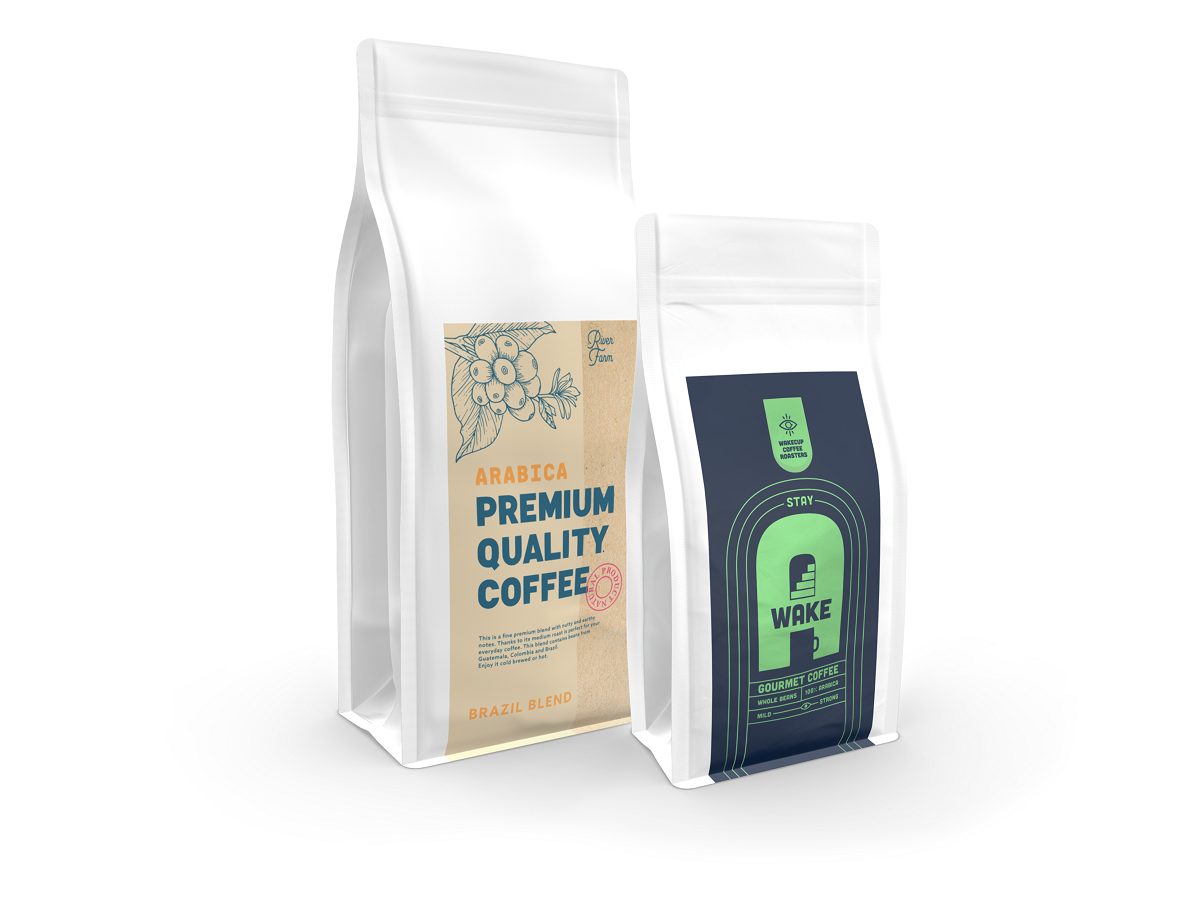
Visual design is a powerful influencer of consumer behavior. According to a 2023 NielsenIQ survey, 64% of coffee buyers say they associate packaging texture and finish with product quality. Choosing between glossy and matte finishes can subtly alter how your brand is perceived.
Glossy Finish
- Reflects light, making colors look vivid and energetic.
- Ideal for modern, youthful, or high-energy brands.
- Easier to clean and less prone to fingerprints.
Matte Finish
- Feels soft and premium; reduces glare.
- Enhances text readability and sophistication.
- Ideal for artisanal or luxury coffee lines.
Combination Finishes
Some brands successfully combine both finishes—matte background with glossy highlights—to create depth and visual intrigue. This technique, known as spot UV coating, enhances shelf impact.
Tip:
Always align your visual finish with your target audience. For example, matte kraft finishes resonate with eco-conscious consumers, while metallic gloss finishes appeal to high-end market segments.
6. Consumer-Friendly Functional Design
Functionality isn’t just about appearance—it’s about user experience. A coffee bag’s convenience can directly influence whether a consumer repurchases your product.
Essential Functional Features
- Easy-Tear Notches: Allow consumers to open bags neatly without scissors.
- Resealable Zippers: Maintain aroma and prevent spills.
- Round Corners: Improve handling comfort and reduce risk of puncture.
- Clear Windows: Provide a view of coffee beans for transparency and trust.
- Hang Holes: Facilitate display versatility in retail stores.
Consumer Behavior Insights
Research by Mintel (2024) reveals that 73% of coffee consumers are willing to pay more for packaging that is easy to open and reseal. Functional convenience directly boosts perceived value.
Digital & Smart Packaging
The next frontier in coffee packaging involves integrating QR codes or NFC tags to share roasting information, brewing tips, and traceability data.
Such interactive features build brand loyalty and align with the growing demand for transparency and authenticity.
FAQ: Frequently Asked Questions About Coffee Bags
Q1: How long can coffee stay fresh in a properly sealed bag?
With appropriate materials and a degassing valve, coffee can remain fresh for up to 12 months. Once opened, resealable bags help maintain flavor for 2–4 weeks.
Q2: Are kraft paper coffee bags suitable for long-term storage?
Only if they include an inner aluminum or PE lining. Pure paper bags alone lack the barrier needed for moisture and oxygen protection.
Q3: Can I print digital artwork directly on coffee bags?
Yes. Digital printing allows vibrant designs with minimal setup time—ideal for small batches or seasonal packaging.
Q4: What’s the environmental alternative to traditional foil bags?
Mono-material PE/PP bags and PLA-based compostable pouches are leading sustainable options in 2025.
Q5: Why do some brands avoid transparent windows?
Light exposure can degrade coffee quality, so transparency must be balanced with protective coatings or UV barriers.
Conclusion
Choosing the right coffee bag is a multidimensional decision involving aesthetic appeal, functionality, material science, and sustainability. Every element—from pouch type and valve design to finish and closure—affects how your coffee performs in the marketplace.
In a time when packaging represents a brand’s first handshake with consumers, investing in the right coffee bag can significantly elevate your brand’s image and enhance consumer trust. Whether you prioritize eco-friendliness, long shelf life, or premium presentation, thoughtful coffee packaging design ensures that your product not only protects your beans—but also tells your story beautifully.