What You Need To Know About Heat Seal Packaging
Anna_Yu
What You Need To Know About Heat Seal Packaging
As global demand for safe, durable, and sustainable packaging continues to rise, heat seal packaging has emerged as one of the most efficient and reliable sealing technologies in the modern packaging industry. From food and pharmaceuticals to electronics and cosmetics, heat seal packaging ensures freshness, product safety, and cost efficiency across various sectors.
This comprehensive guide explores what heat seal packaging is, how it works, the materials used, its growing popularity, industry applications, and the future trends shaping its development.
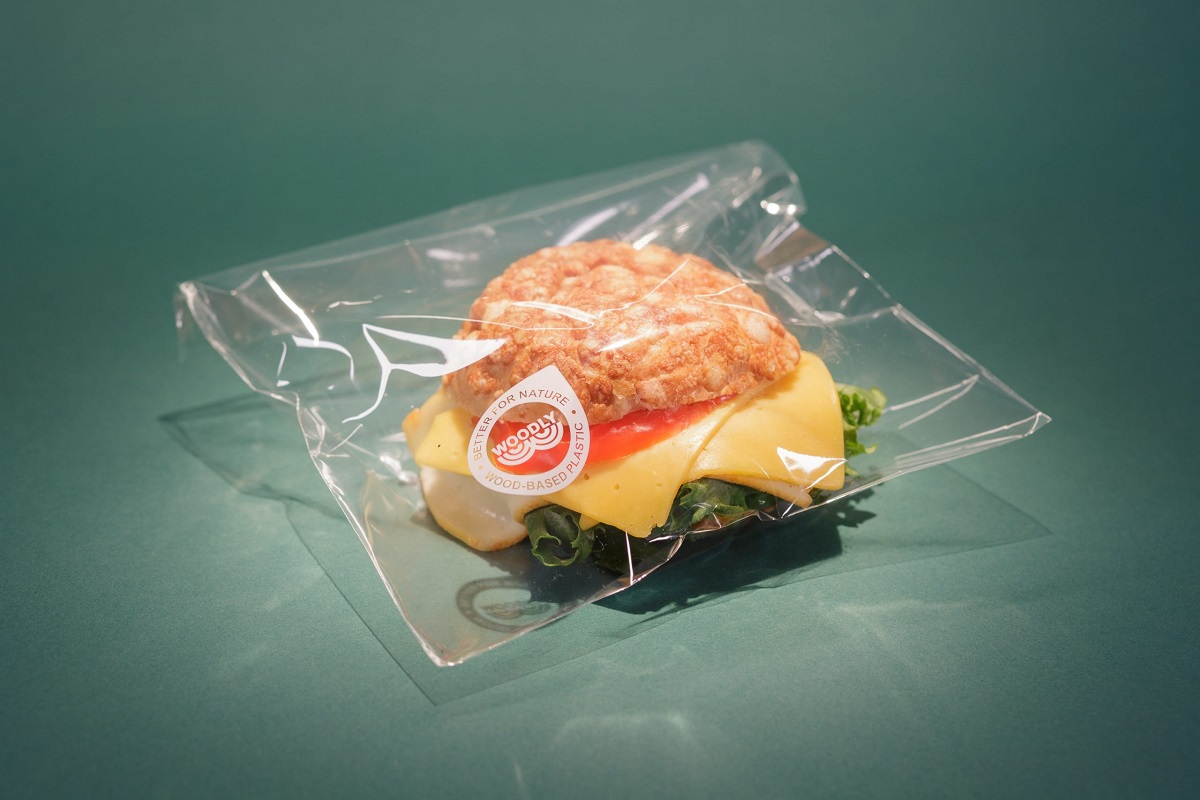
1. What is heat seal packaging and how does it work?
Heat seal packaging refers to the process of using heat and pressure to bond thermoplastic materials together, creating an airtight and tamper-proof seal. This sealing process is essential for maintaining the product’s integrity by protecting it from oxygen, moisture, bacteria, and external contaminants. It’s a widely used technique for packaging snacks, coffee, medical devices, frozen foods, and more.
How the heat sealing process works
The sealing mechanism is quite straightforward but relies on precision:
- Contact: Two layers of thermoplastic film come into contact at the sealing point.
- Heating: The seal bar or element heats the contact area to a specific temperature (usually between 120°C to 200°C depending on the material).
- Pressure: Mechanical pressure is applied to press the layers together.
- Cooling: The heat is removed, and the melted surfaces solidify into a uniform bond.
This creates a strong, clean seal that can withstand transportation, storage, and handling stresses.
Types of heat sealing methods
| Method | Description | Common Applications |
|---|---|---|
| Impulse sealing | Uses short bursts of electric current to heat a sealing wire; only heats when sealing. | Polyethylene bags, pouch sealing, food packaging. |
| Constant heat sealing | Maintains continuous heat for consistent sealing. | Foil, laminated films, high-speed packaging lines. |
| Band sealing | Continuous sealing while moving the product through a heated band system. | Industrial-scale operations, pre-made pouches. |
| Ultrasonic sealing | Uses vibration-based energy to generate localized heat for sealing. | Medical and pharmaceutical packaging. |
Benefits of precise heat sealing
- Leak-proof packaging
- Improved shelf life
- Tamper evidence and food safety
- High-speed production efficiency
- Compatibility with a wide range of flexible films
Modern heat sealers are often integrated with temperature control systems and real-time pressure sensors to ensure consistent quality and compliance with safety standards.
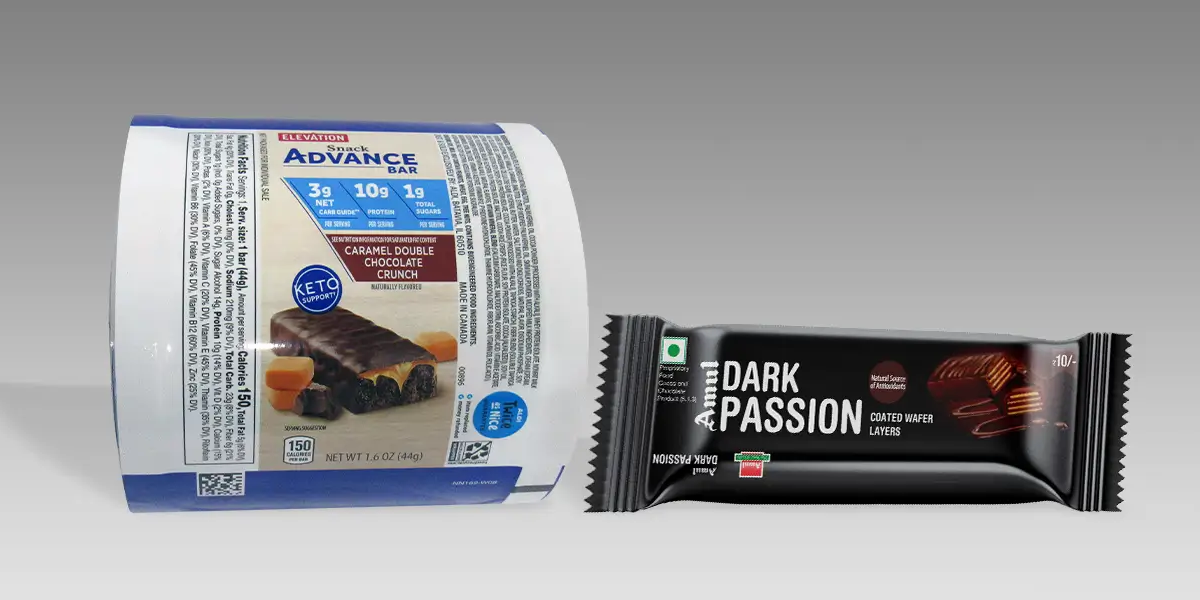
2. What are the materials for heat seal packaging?
The choice of material plays a crucial role in achieving the perfect seal. Different materials have varying sealing temperatures, barrier properties, and environmental impacts. Selecting the right structure ensures not only functional sealing but also product freshness, sustainability, and aesthetic appeal.
Common heat sealable materials
| Material | Description | Sealing Temperature | Advantages | Common Uses |
|---|---|---|---|---|
| Polyethylene (PE) | A versatile, flexible thermoplastic used in most sealable films. | 120–160°C | Excellent sealability, moisture barrier, recyclable. | Food pouches, ziplock bags, frozen food packaging. |
| Polypropylene (PP) | Provides stiffness and clarity; often used in laminated films. | 130–170°C | High clarity, chemical resistance, cost-effective. | Snack packaging, labels, medical wraps. |
| Polyester (PET) | Typically used as the outer layer for durability. | 180–220°C | Heat-resistant, good printability, structural strength. | Coffee, nuts, and retort pouches. |
| Aluminum foil laminates | Used as a middle barrier layer. | N/A (used in composite structures) | Excellent oxygen and light barrier, preserves aroma. | Coffee, pharmaceuticals, dry food. |
| Nylon (PA) | Used for puncture resistance and flexibility. | 180–210°C | Strong mechanical strength. | Vacuum-sealed packaging. |
| EVOH (Ethylene Vinyl Alcohol) | High barrier material often combined with PE or PP. | 140–180°C | Excellent oxygen barrier. | Sauce and liquid food packaging. |
Multi-layer laminates
In most modern packaging, multi-layer films are used to combine the strengths of different materials. A common three-layer film might look like this:
Outer Layer: PET – Provides printability and strength
Middle Layer: Aluminum or EVOH – Acts as an oxygen and light barrier
Inner Layer: PE – Provides sealability
This configuration offers the perfect balance between strength, protection, and heat-seal efficiency.
Eco-friendly material innovations
With sustainability becoming a global priority, new heat-sealable materials have emerged:
- Bio-based PE (from sugarcane or corn)
- Compostable films made from PLA (polylactic acid)
- Recyclable mono-material PE structures
These innovations enable manufacturers to meet regulatory demands and consumer expectations for environmentally conscious packaging.
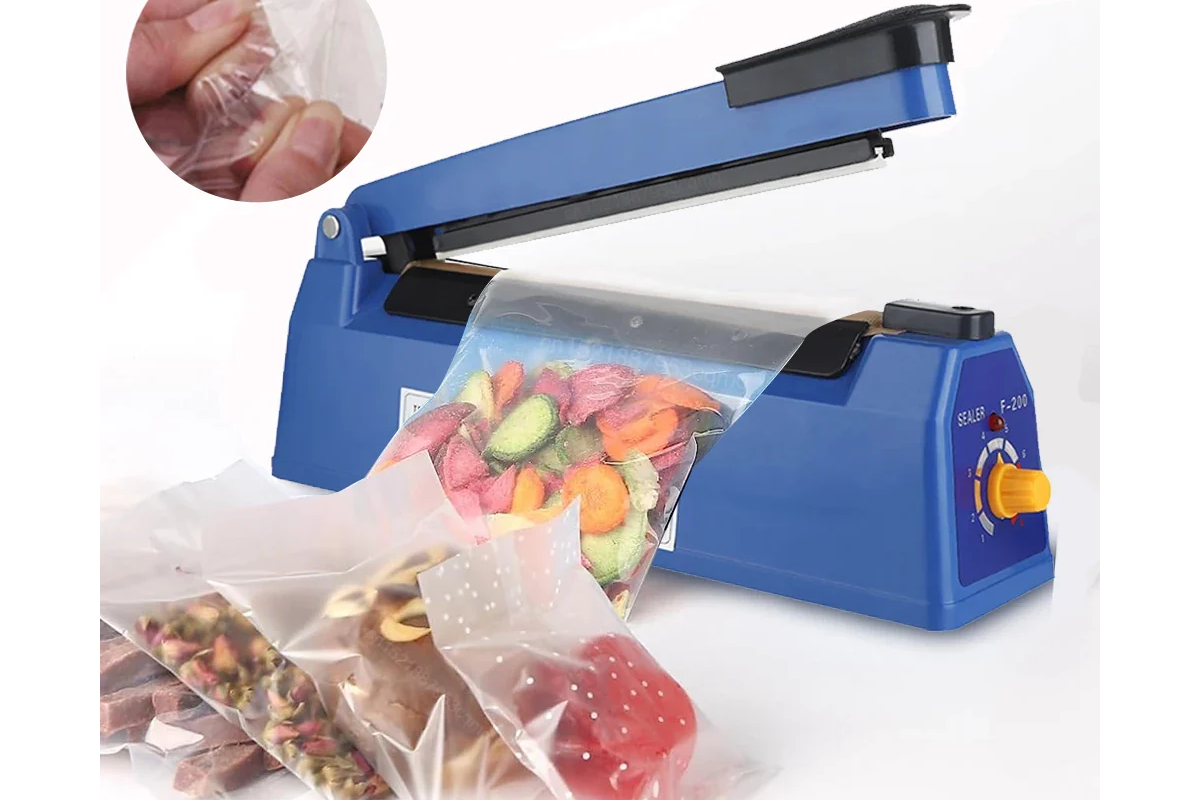
3. Why has heat seal packaging become so popular in recent years?
The rise in popularity of heat seal packaging can be attributed to market dynamics, technological advancements, and consumer lifestyle changes. It has evolved from a simple sealing solution to a strategic element in brand presentation and sustainability.
3.1 Rising demand for convenience
The global lifestyle shift toward on-the-go consumption has fueled demand for ready-to-eat (RTE) and ready-to-cook (RTC) food products.
Heat seal packaging provides:
- Lightweight, portable solutions
- Easy open-and-reseal functions
- Secure closures for freshness and spill prevention
According to Statista (2024), over 65% of packaged food products now utilize some form of heat-sealed packaging, from snacks to meal kits.
3.2 Improved shelf life and product protection
By creating airtight barriers, heat sealing prevents oxidation, spoilage, and microbial contamination. This is especially important for products like:
- Coffee (to preserve aroma)
- Frozen meals (to prevent freezer burn)
- Pharmaceuticals (to maintain sterility)
Studies have shown that products packaged with heat seal technology can achieve up to 30% longer shelf life than traditional sealing methods.
3.3 Automation and industrial efficiency
Modern packaging lines have integrated automatic heat sealers that operate at speeds of up to 250–400 pouches per minute.
Combined with robotic arms and vision sensors, manufacturers benefit from:
- Lower labor costs
- Consistent quality
- Reduced waste and downtime
3.4 Sustainability initiatives
Heat sealing supports material efficiency — it requires minimal adhesives and generates less waste.
With the introduction of recyclable mono-material films, it aligns with circular economy principles, where packaging can be reused or recycled at the end of its life cycle.
3.5 Consumer perception and branding
Consumers associate high-quality, hermetically sealed packaging with safety, hygiene, and freshness.
Brands use heat sealing to deliver premium experiences, such as:
- Matte or glossy finishes
- Custom tear notches and resealable zippers
- Metallic foils for luxury aesthetics
The packaging is no longer just protection — it’s a marketing tool.
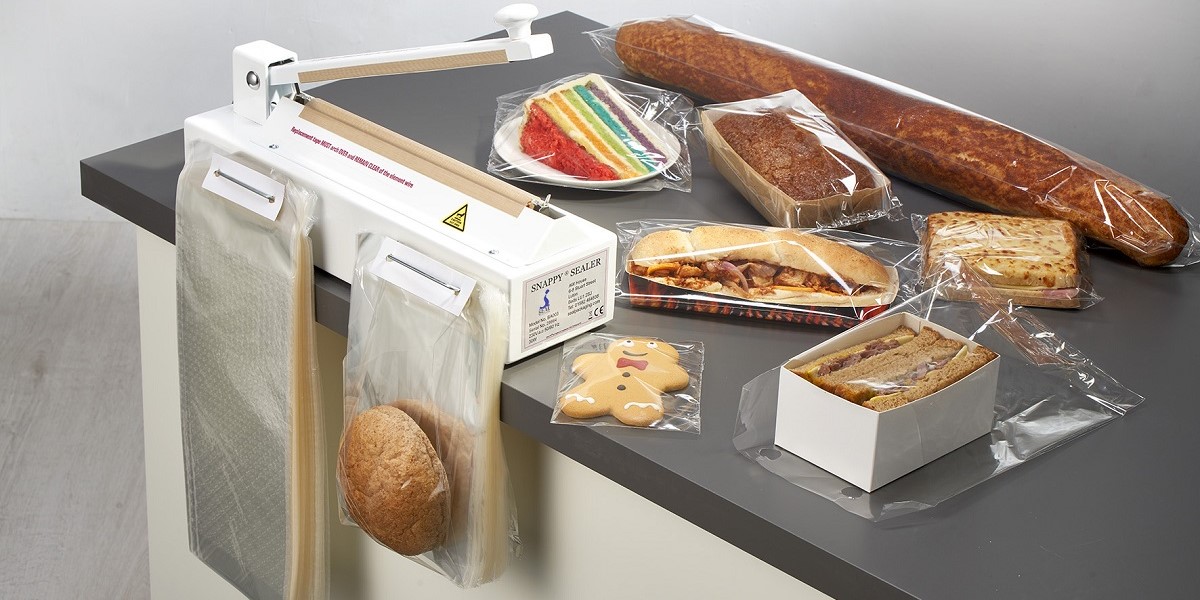
4. In which industries is heat seal packaging applicable?
Heat seal packaging is an essential technology across a wide range of industries. Its versatility, cost-effectiveness, and performance make it a preferred choice for both consumer goods and industrial sectors.
4.1 Food and beverage industry
The food industry is the largest user of heat seal packaging due to its strict hygiene and preservation requirements.
- Snacks and chips — sealed for crispness and shelf stability.
- Coffee and tea — foil-sealed pouches protect aroma and flavor.
- Frozen foods — PE-based heat seals maintain temperature integrity.
- Ready meals and sauces — sealed trays and pouches allow microwave reheating.
The global heat seal food packaging market is expected to reach USD 38 billion by 2030, driven by consumer demand for convenience and freshness.
4.2 Pharmaceutical and healthcare industry
Sterile packaging is non-negotiable in this sector. Heat sealing ensures tamper-proof and contamination-free packaging for:
- Medical instruments
- Blister packs
- Surgical gloves
- Diagnostic kits
Regulatory compliance with ISO 11607 and FDA packaging guidelines has made heat sealing a core process in medical-grade packaging.
4.3 Cosmetic and personal care
For cosmetic creams, serums, and wipes, heat-sealed sachets and pouches offer precision portioning and premium presentation.
This minimizes leakage, enhances portability, and provides hygienic single-use options.
4.4 Electronics and hardware
Heat-sealed antistatic bags protect electronic components from moisture, dust, and static discharge. These bags often feature:
- PET/AL/PE multi-layer structures
- ESD protection coatings
- Resealable closures
4.5 Industrial and chemical applications
Chemical products, fertilizers, and industrial powders require robust and moisture-proof sealing. Heat sealing provides:
- Leak-free transport
- Resistance to corrosive materials
- UV and oxidation protection
From small sample pouches to 25kg industrial sacks, the technology scales efficiently.
5. What does the future hold for heat seal packaging?
As industries embrace automation, digital printing, and sustainable practices, heat seal packaging is evolving beyond its traditional role. The next decade will see transformations driven by smart materials, eco-friendly design, and data integration.
5.1 Smart and functional packaging
Innovations like temperature-sensitive seals and color-changing indicators will allow real-time freshness monitoring.
Integration with IoT-enabled tracking chips will also make packaging more interactive and traceable.
5.2 Growth of sustainable heat-sealable films
The move toward mono-material and recyclable films is a major trend. Companies such as Amcor, Mondi, and Huhtamaki are investing heavily in:
- Recyclable PE-based structures
- Compostable films made from renewable sources
- Solvent-free adhesives and coatings
By 2030, over 60% of flexible packaging is expected to feature recyclable heat-sealable designs.
5.3 Energy-efficient sealing systems
New generation sealers use induction and ultrasonic technology, which reduce energy consumption by up to 40%.
They also allow precise temperature control, minimizing film deformation and waste.
5.4 Expansion into e-commerce packaging
As online shopping grows, heat-sealed pouches are increasingly used for delivery-safe packaging — particularly for cosmetics, supplements, and food.
Their compact, tamper-evident nature enhances consumer trust in e-commerce supply chains.
5.5 Regulations and circular economy alignment
Governments worldwide are enforcing packaging sustainability laws, such as:
- EU Packaging Waste Directive
- EPR (Extended Producer Responsibility) frameworks
- U.S. Plastic Pact 2030 Goals
Manufacturers adopting recyclable or biodegradable heat-sealable materials will not only comply but gain a competitive advantage.
5.6 Consumer-driven innovation
Future packaging must align with the eco-conscious mindset of Gen Z and Millennials.
These consumers value minimalism, transparency, and brand ethics — expecting packaging that reflects those values.
Brands investing in digital printing and personalized small-batch heat-sealed packs will lead in emotional engagement and customer loyalty.
Conclusion
Heat seal packaging is far more than a sealing method — it’s a technology that connects material science, engineering, branding, and sustainability. Its flexibility allows industries to achieve higher production efficiency, longer shelf life, and improved customer satisfaction.
From the food aisle to the pharmaceutical shelf, heat seal technology continues to redefine packaging reliability and innovation. As we move into an era shaped by environmental awareness and smart manufacturing, the future of heat seal packaging lies in sustainability, digitalization, and circular material systems.
In summary, heat seal packaging represents the perfect balance of protection, performance, and progress — sealing the future of packaging one layer at a time.