Which Bags Are Suitable for Packing Squeeze Toys?
Anna_Yu
Which Bags Are Suitable for Packing Squeeze Toys?
Squeeze toys—often made from soft, elastic materials such as silicone, PU foam, or rubber—have become increasingly popular among children and even adults as stress-relief and sensory products. From colorful squishy animals to slow-rising foam toys, these products are widely sold through retail stores, online marketplaces, and promotional channels. As demand grows, proper packaging becomes essential not only for protecting the toys but also for enhancing their visual appeal and marketability.
Unlike rigid or fragile products, squeeze toys require packaging that accommodates their flexible and compressible nature while still providing sufficient protection during transportation and storage. Packaging must prevent deformation, contamination, and damage while also maintaining the product’s original shape and cleanliness. In addition, attractive packaging design plays a significant role in capturing consumer attention, especially in toy stores where visual appeal strongly influences purchasing decisions.
Flexible packaging bags are widely used for squeeze toys because they offer a balance of protection, cost efficiency, and design flexibility. With a variety of materials, structures, and customization options available, manufacturers can create packaging solutions that meet both functional and branding requirements. This article explores the most suitable types of packaging bags for squeeze toys, how flexible packaging protects these products, the best materials for toy packaging, and key features that enhance retail presentation and consumer appeal.
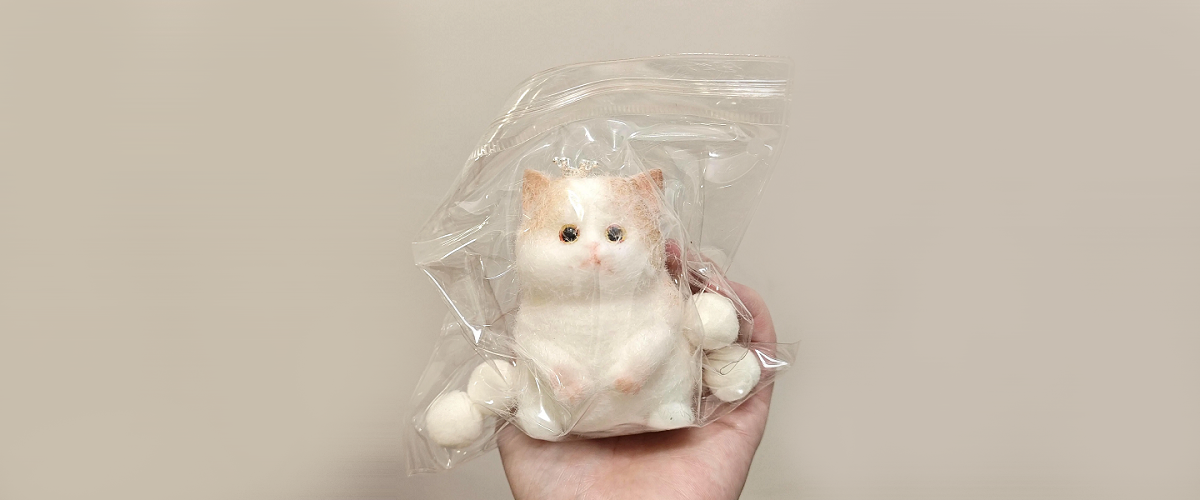
1. What Types of Packaging Bags Are Best for Squeeze Toys?
Selecting the right packaging format is the first step in ensuring product protection and presentation.
Flat Poly Bags
Flat plastic bags are one of the simplest and most cost-effective options. They are suitable for:
- Individually packed squeeze toys
- Bulk packaging for distribution
- Basic retail packaging
These bags are often combined with printed labels or inserts for branding.
Stand-Up Pouches
Stand-up pouches provide better shelf visibility and are commonly used for retail packaging. Benefits include:
- Ability to stand upright on shelves
- Larger printable surface for branding
- Improved product presentation
Zip Lock Bags
Resealable zip lock bags offer convenience for consumers, especially for reusable or collectible squeeze toys.
Header Bags (Hang Hole Bags)
These bags include a header card and a punched hole, allowing products to be displayed on hooks in retail stores. They are ideal for:
- Toy shops
- Supermarkets
- Promotional displays

2. How Do Flexible Packaging Bags Protect Squeeze Toys During Storage and Shipping?
Although squeeze toys are soft, they still require proper protection.
Protection Against Dust and Contamination
Packaging bags act as a barrier that prevents:
- Dust accumulation
- Dirt and debris
- Contact with external contaminants
This is especially important for toys intended for children.
Shape Retention
Flexible packaging helps maintain the toy’s shape by minimizing excessive compression during storage and transportation.
Moisture Protection
Some squeeze toys may be sensitive to humidity. Packaging materials with moisture resistance help prevent surface damage or degradation.
Physical Protection
Durable packaging materials reduce the risk of tearing, punctures, or damage caused by handling and shipping.
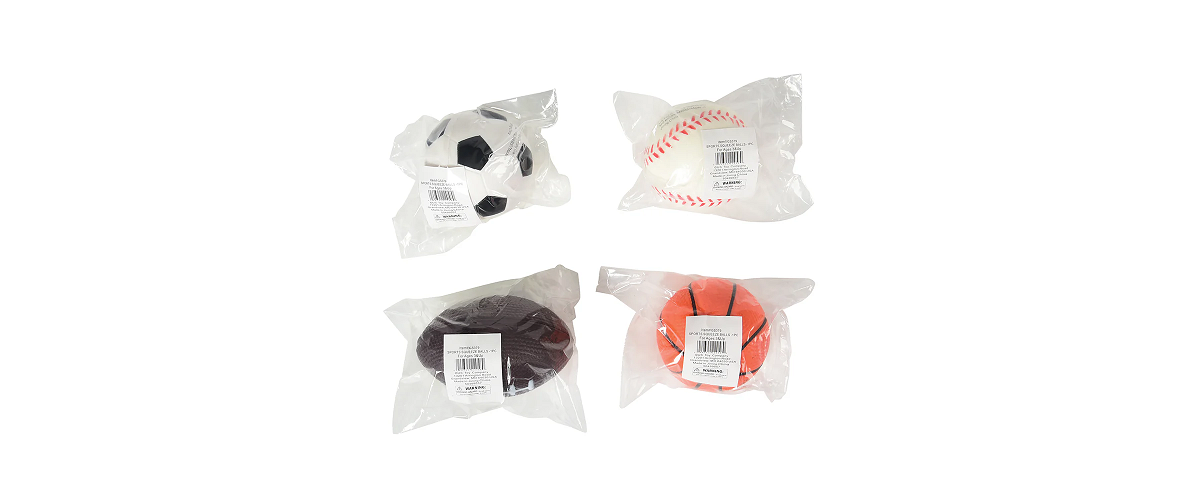
3. Which Materials Are Most Suitable for Durable and Safe Toy Packaging?
Material selection is crucial for ensuring safety, durability, and compliance with regulations.
Polyethylene (PE)
PE is widely used for toy packaging due to its flexibility and safety.
Key benefits include:
- Non-toxic and safe for consumer products
- Good tear resistance
- Cost efficiency
Polypropylene (PP)
PP films offer higher clarity and stiffness, making them suitable for packaging that emphasizes product visibility.
PET (Polyethylene Terephthalate)
PET provides excellent strength and transparency, making it ideal for premium packaging with high visual appeal.
Laminated Films
Multi-layer laminates combine different materials to achieve:
- Improved durability
- Better barrier protection
- Enhanced print quality
These materials are often used for higher-end or branded toy packaging.
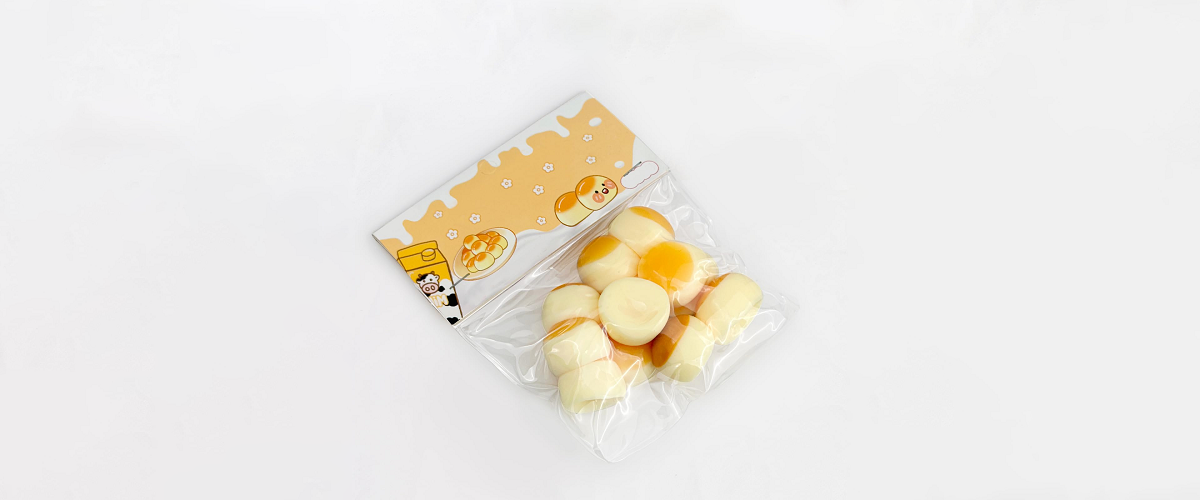
4. What Packaging Features Improve Retail Display and Consumer Appeal?
Packaging design plays a major role in attracting consumers, especially in the toy industry.
Transparent Windows
Clear packaging allows consumers to see the toy inside, which increases trust and purchase confidence.
Bright Colors and Graphics
Colorful designs and playful graphics attract attention and appeal to children and parents alike.
Hanging Display Features
Hang holes or header cards allow products to be displayed vertically, maximizing retail space and visibility.
Resealable Closures
Reusable packaging enhances convenience and adds value for consumers who want to store toys after opening.
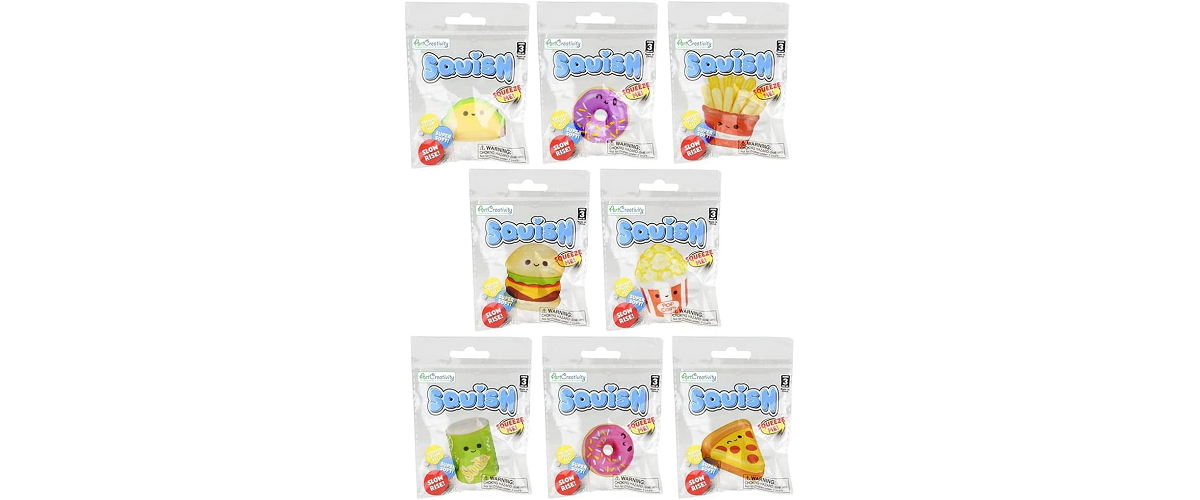
5. Flexible Packaging for Squeeze Toys: Key Factors for Protection, Branding, and Cost Efficiency
When selecting packaging for squeeze toys, manufacturers should consider multiple factors.
Product Protection
Packaging must protect the toy from contamination, deformation, and damage during shipping and handling.
Cost Efficiency
Flexible packaging offers a cost-effective solution due to:
- Lower material usage
- Reduced shipping weight
- Efficient production processes
Branding Opportunities
Custom printing allows brands to create eye-catching packaging that enhances recognition and market appeal.
Compliance and Safety
Toy packaging must meet safety standards and regulations, especially for products intended for children.
FAQ
What type of packaging is most commonly used for squeeze toys?
Flat poly bags, stand-up pouches, zip lock bags, and header bags are commonly used depending on the sales channel.
Are flexible packaging bags safe for toy products?
Yes. Materials such as PE and PP are non-toxic and widely used for consumer product packaging.
How can packaging improve toy sales?
Attractive designs, clear product visibility, and convenient features can significantly increase consumer interest and purchase likelihood.
Is flexible packaging cost-effective for toy manufacturers?
Yes. It reduces material usage, lowers transportation costs, and supports efficient production.
Conclusion
Flexible packaging bags provide an ideal solution for packing squeeze toys by combining protection, cost efficiency, and strong visual appeal. With a variety of packaging formats such as flat bags, stand-up pouches, and header bags, manufacturers can choose the most suitable option based on their distribution and marketing needs. High-quality materials such as PE, PP, and PET ensure durability and safety, while customizable design features enhance product visibility and consumer engagement. By balancing protection, branding, and cost considerations, flexible packaging enables squeeze toy manufacturers to deliver products that are both well-protected and attractive in today’s competitive market.