Which is Better For Tea Packaging: Kraft Paper Bags or Mylar Bags?
Anna_Yu
Which is Better For Tea Packaging: Kraft Paper Bags or Mylar Bags?
Tea is a delicate product. Its flavor, aroma, color, and even its perceived quality can change dramatically depending on how it is packaged. Over the years, I’ve seen many tea brands focus heavily on leaf quality and sourcing, but underestimate packaging—only to later realize that poor packaging can quietly ruin a great tea.
Today, two packaging options are discussed more than almost any others in the tea industry: kraft paper bags and Mylar bags. Both are widely used, both have loyal supporters, and both serve very different purposes. Choosing between them is not just a design decision; it affects shelf life, food safety, logistics, and brand positioning.
In this article, I’ll walk you through the real requirements of tea packaging, explain what kraft paper bags and Mylar bags actually are, compare their differences, discuss durability and food safety, and finally explore why combining the two materials has become one of the most practical solutions for modern tea brands.
What are the requirements for tea packaging?
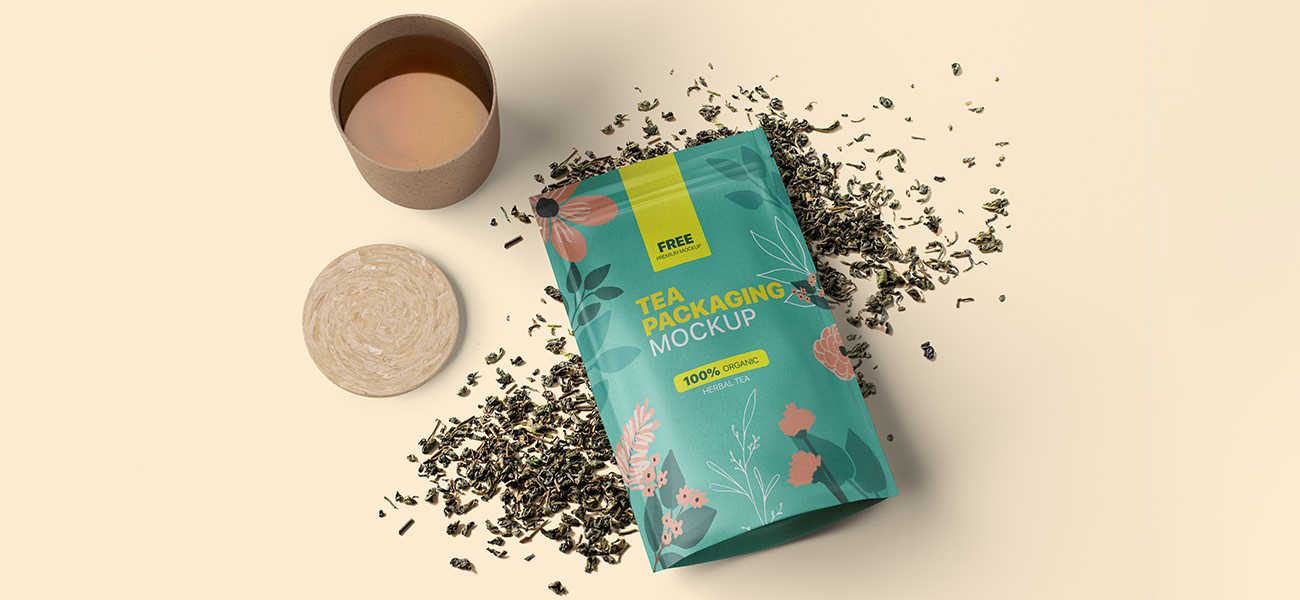
Tea packaging must protect a product that is extremely sensitive to its environment. Unlike many dry foods, tea leaves are highly aromatic and easily affected by external factors.
The first and most critical requirement is barrier protection. Tea is sensitive to oxygen, moisture, light, and odors. Oxygen causes oxidation, which dulls flavor. Moisture leads to mold or clumping. Light degrades color and active compounds. Odors from the environment can be absorbed easily by tea leaves.
The second requirement is food safety. Packaging materials must be food-grade, non-toxic, and stable over time. Any migration of chemicals, inks, or adhesives can negatively affect tea quality and safety.
The third requirement is structural stability. Tea packaging must survive transportation, stacking, and repeated handling without tearing, leaking, or losing seal integrity.
Finally, tea packaging plays a strong role in branding and storytelling. Tea buyers often value tradition, craftsmanship, and sustainability. Packaging must visually communicate these values while remaining functional.
What are kraft paper bags and what are mylar bags?
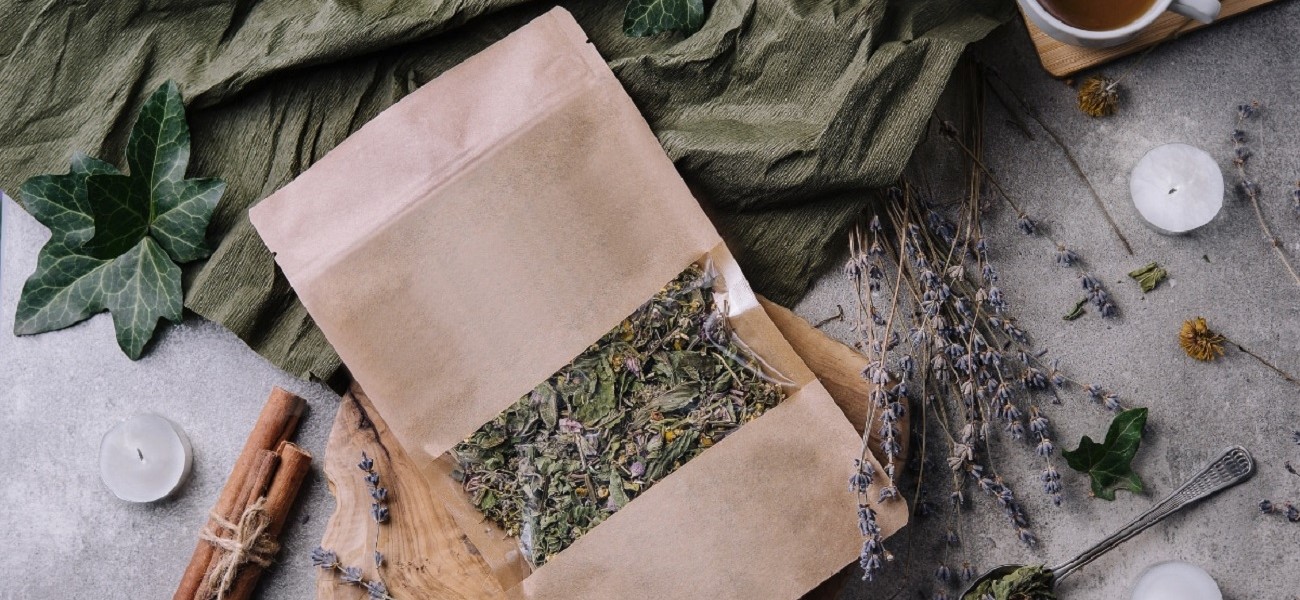
Kraft paper bags are made from kraft paper, a strong paper produced using the kraft pulping process. They are popular in tea packaging because they convey a natural, organic, and artisanal image. On their own, kraft paper bags are breathable and have limited barrier properties, but they are often laminated with inner layers to improve performance.
Mylar bags are made using polyester film (commonly PET), often combined with aluminum foil or metallized layers. Mylar is known for its excellent barrier properties against oxygen, moisture, and light. In tea packaging, Mylar bags are widely used when long shelf life and maximum freshness are required.
In simple terms, kraft paper bags focus more on appearance and eco perception, while Mylar bags focus on performance and protection.
 ## What are the differences between them?
The most obvious difference lies in barrier performance. Mylar bags provide significantly better protection against oxygen, moisture, and light. Kraft paper alone offers almost no barrier, which is why it is rarely used without lamination.
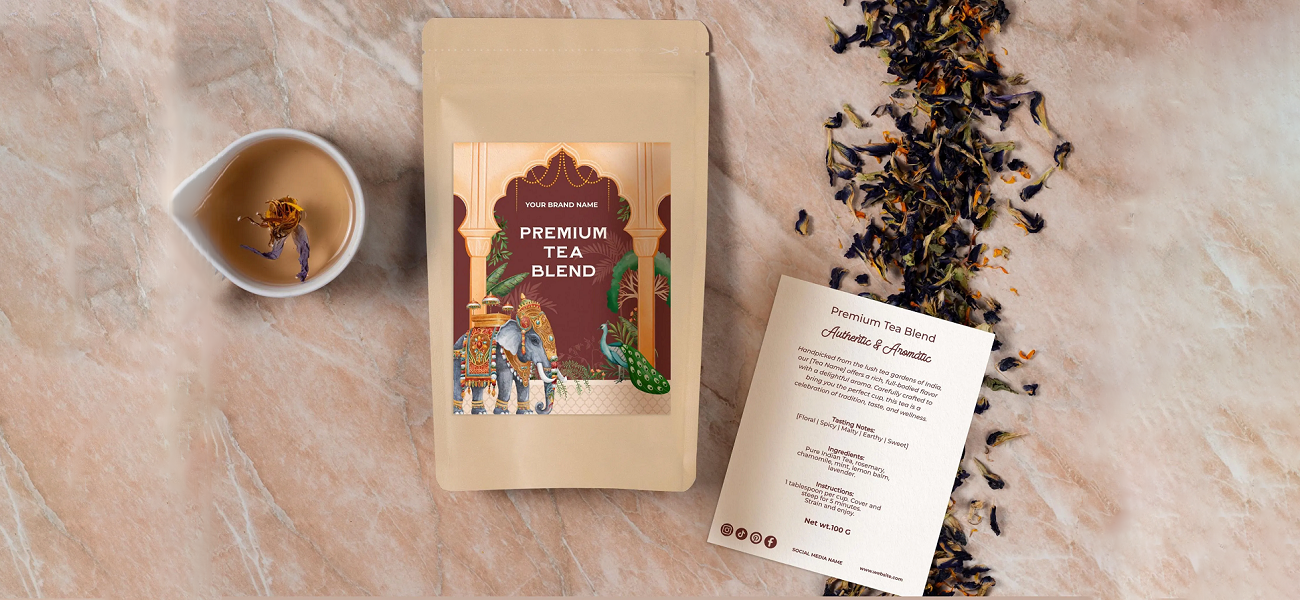
In terms of appearance, kraft paper bags have a warm, natural look that appeals to consumers seeking organic or traditional tea. Mylar bags tend to look more modern and technical, especially when printed with high-gloss finishes.
Another key difference is flexibility in structure. Mylar bags can be easily engineered into high-barrier laminated structures, while kraft paper usually acts as an outer decorative layer rather than a protective one.
Cost is also a factor. Kraft paper bags can appear cheaper at first glance, but once laminated for proper tea protection, their cost often approaches that of Mylar-based structures.
How are their durability and food safety?
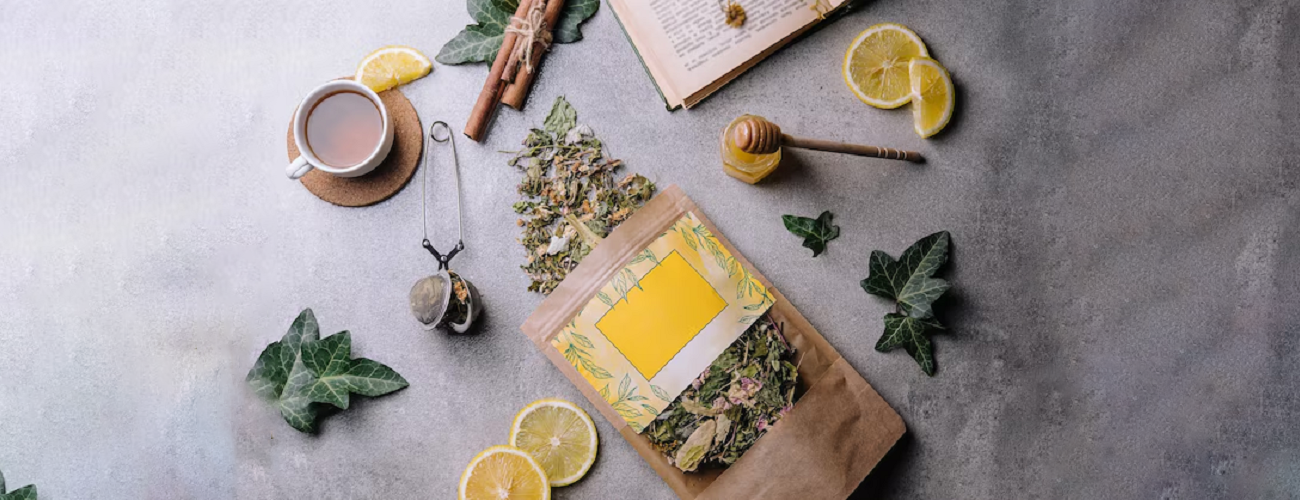
When it comes to durability, Mylar bags clearly outperform kraft paper bags. They are more resistant to tearing, puncturing, and compression during transportation. This makes them suitable for long-distance shipping and export markets.
Kraft paper bags, while strong for paper, are more vulnerable to humidity and physical damage. Without proper lamination, they can weaken over time in damp environments.
Regarding food safety, both kraft paper laminated bags and Mylar bags can be perfectly safe for tea packaging—if they are produced using food-grade materials, inks, and adhesives. The key factor is not the name of the material, but the structure and compliance standards behind it.
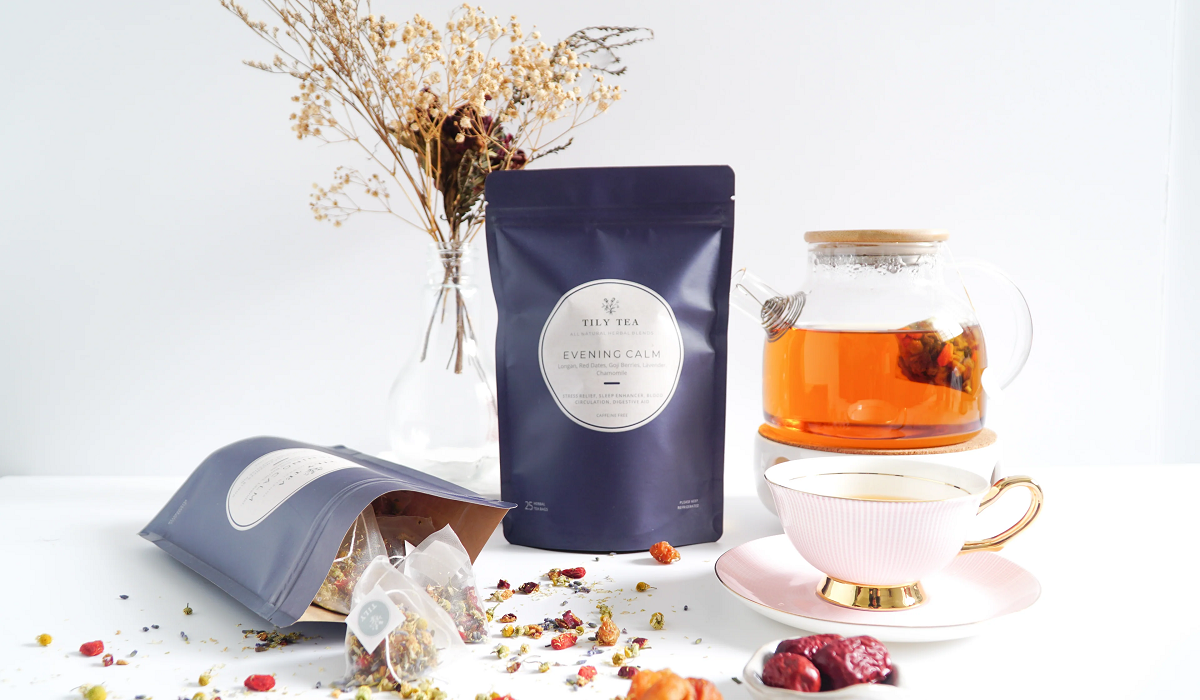
How about combining the two of them together for tea packaging?
This is where modern tea packaging truly shines. Instead of choosing between kraft paper and Mylar, many brands now combine them into a single laminated structure.
In this approach, kraft paper is used as the outer layer to deliver a natural, premium look. Mylar or aluminum foil is used as the middle barrier layer to block oxygen, moisture, and light. A food-grade PE layer is used inside for safe sealing.
This hybrid solution offers the best of both worlds:
- The visual appeal and sustainability image of kraft paper
- The superior barrier protection of Mylar
- Strong durability and extended shelf life
For many tea brands—especially those selling loose leaf tea, matcha, or premium blends—this combined structure is the most balanced and future-proof option.
FAQ
Is kraft paper alone enough for tea packaging?
No. Kraft paper alone does not provide sufficient barrier protection for tea.
Are Mylar bags safe for tea?
Yes, when made with food-grade materials and proper lamination.
Which option offers a longer shelf life?
Mylar-based or Mylar-laminated structures offer significantly longer shelf life.
Is combining kraft paper and Mylar expensive?
Not necessarily. The added value in shelf life and brand image often outweighs the cost.
Conclusion
So, which is better for tea packaging—kraft paper bags or Mylar bags? The honest answer is that each serves a purpose, but neither is perfect on its own. Kraft paper excels in visual appeal and brand storytelling, while Mylar excels in protection and durability. For most modern tea brands, combining the two into a laminated structure delivers the strongest overall performance. By understanding your tea’s sensitivity, your market positioning, and your distribution needs, you can choose packaging that truly protects both your product and your brand.