Which Type of Flexible Packaging Can Keep Pistachios Fresh for a Longer Time?
Anna_Yu
Which Type of Flexible Packaging Can Keep Pistachios Fresh for a Longer Time?
Pistachios are one of the most popular premium nuts in global markets, valued for their distinctive flavor, crunchy texture, and nutritional benefits. However, pistachios are also highly sensitive to oxygen, moisture, light, and temperature fluctuations, making them vulnerable to oxidation, rancidity, texture loss, and flavor degradation during storage and transportation.
Unlike many dry snack products, pistachios contain high levels of natural oils that oxidize quickly when exposed to air. At the same time, improper moisture control can lead to softening, mold growth, and reduced shelf appeal. As pistachio products are increasingly sold through modern retail, e-commerce platforms, and international export channels, high-performance packaging has become essential for protecting product quality.
Flexible packaging has emerged as the preferred solution for pistachio brands worldwide. Compared with rigid containers and paper-based packaging, flexible packaging offers superior barrier protection, better sealing performance, reduced logistics costs, and outstanding design flexibility. When engineered correctly, flexible packaging can significantly extend shelf life while enhancing brand image and consumer trust.
This article explores which type of flexible packaging can keep pistachios fresh for a longer time by analyzing suitable packaging formats, barrier performance, material structures, functional features, and key considerations for long-term storage and export success.
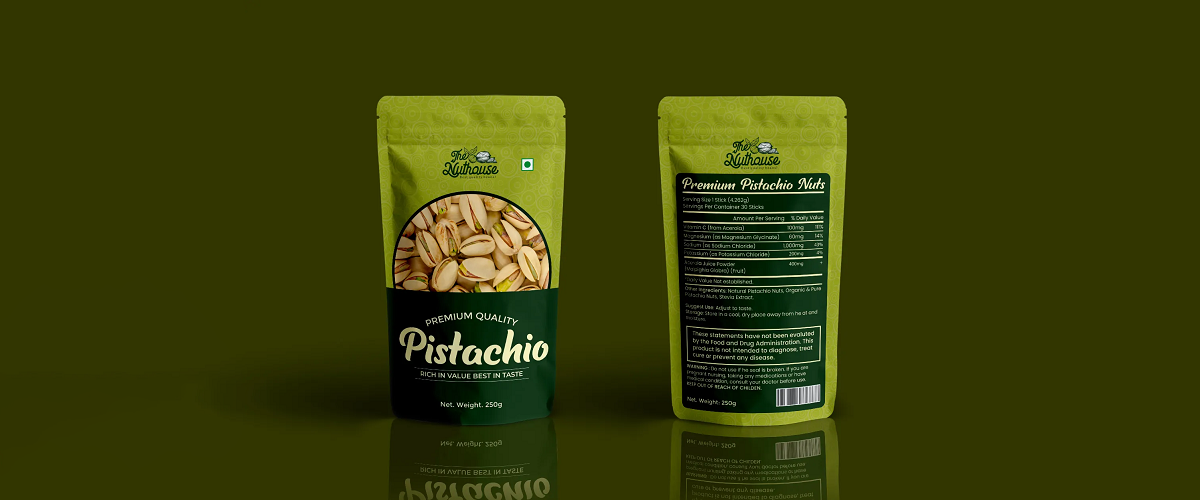
1. What Are the Best Flexible Packaging Options for Pistachio Products?
The most suitable packaging format for pistachios depends on product form, serving size, and market positioning.
Stand-Up Pouches (Doypacks)
Stand-up pouches are widely used for pistachio products because they offer:
- Excellent shelf visibility
- Compatibility with resealable zippers
- Strong barrier laminate structures
They are suitable for retail packs, flavored pistachios, and mixed nut products.
Flat Bottom Bags (Box Pouches)
Flat bottom bags are preferred by premium and export-oriented brands. Key advantages include:
- Superior stability and premium appearance
- Five printable panels for branding
- High compatibility with nitrogen flushing
They are ideal for specialty and gift-pack pistachios.
Side Gusset Bags
Side gusset bags are commonly used for:
- Bulk and wholesale packaging
- Traditional nut brands
- Foodservice applications
They offer high filling efficiency and cost effectiveness.
Vacuum and Modified Atmosphere Packs
For extended shelf life, pistachios may be packed using:
- Vacuum packaging
- Nitrogen flushing (MAP)
These formats reduce oxygen exposure and slow oxidation.

2. How Do Barrier Properties Affect Pistachio Freshness and Shelf Life?
Barrier performance directly determines how long pistachios remain fresh.
Oxygen Barrier
Oxygen is the main cause of oil oxidation in pistachios, leading to:
- Rancid flavors
- Aroma loss
- Color darkening
High oxygen barrier materials significantly slow this process.
Moisture Barrier
Moisture exposure causes:
- Texture softening
- Mold development
- Reduced crunchiness
Effective moisture barriers are essential, especially in humid climates.
Light Protection
Light accelerates oxidation reactions. Metallized and aluminum-based films help shield pistachios from UV exposure.
Seal Integrity
Even the best materials fail if seals are weak. Strong heat sealing and leak-proof structures are critical for maintaining barrier performance.

3. Which Packaging Materials Offer the Best Protection Against Moisture and Oxidation?
Material selection should be based on target shelf life, budget, and distribution conditions.
Common Materials Used in Pistachio Flexible Packaging
- PET: Mechanical strength and high-quality printing
- BOPP: Cost efficiency and stiffness
- PE / CPP: Reliable heat sealing layers
- VMPET: Enhanced moisture and oxygen barrier
- Aluminum Foil (AL): Maximum barrier protection
Recommended Material Structures
| Application | Recommended Structure | Key Benefit |
|---|---|---|
| Standard retail packs | PET/VMPET/PE | Balanced cost and barrier |
| Premium products | PET/AL/PE | Maximum shelf life |
| Bulk packaging | BOPP/VMPET/CPP | Cost efficiency |
| Export products | PET/AL/PE | Long-distance protection |
| Eco-focused brands | Mono-PE / Recyclable Laminates | Sustainability compliance |
Selecting the right laminate structure ensures optimal performance without unnecessary cost.
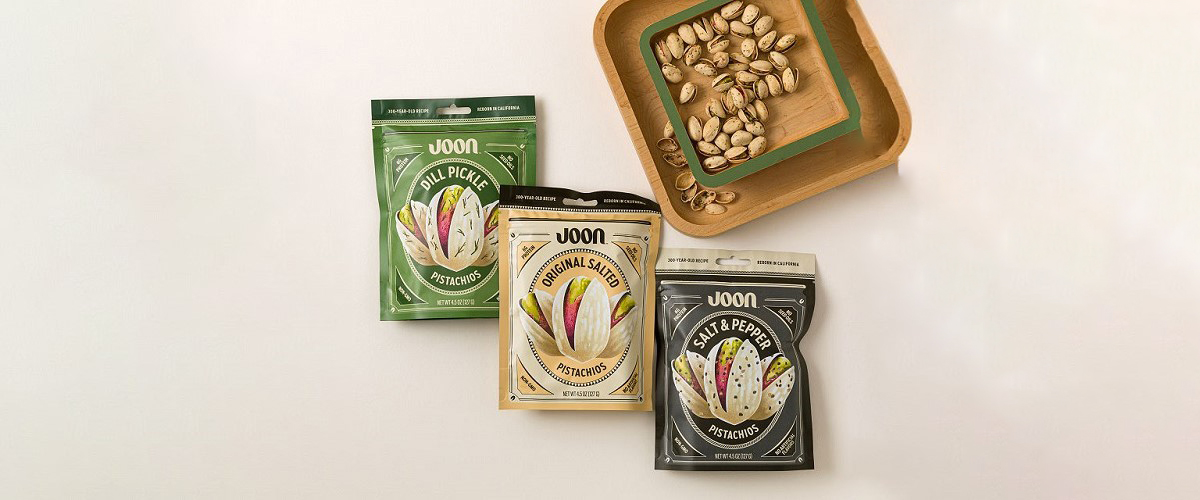
4. What Packaging Features Help Preserve Pistachio Flavor and Crunchiness?
Functional features enhance both freshness protection and consumer experience.
Resealable Zippers
Zippers help:
- Reduce repeated oxygen exposure
- Maintain freshness after opening
- Support multi-serve consumption
They are increasingly expected by consumers.
Nitrogen Flushing Compatibility
Nitrogen flushing replaces oxygen inside the pack, helping to:
- Prevent oxidation
- Protect fragile kernels
- Extend shelf life
Packaging must retain gas effectively.
Easy-Open and Tamper-Evident Features
Tear notches and tamper seals improve usability and food safety perception.
Controlled Transparent Windows
Small windows allow product visibility but must be carefully designed to avoid excessive light exposure.
Premium Surface Finishes
Matte, soft-touch, and metallic finishes enhance shelf appeal and brand positioning.
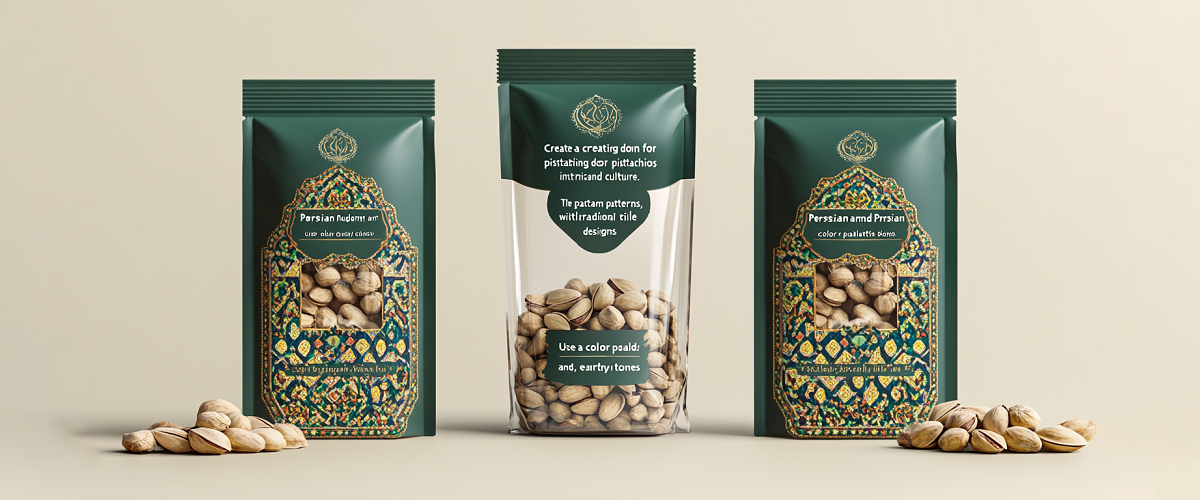
5. Flexible Packaging for Pistachios: Key Factors for Long-Term Storage and Export
A successful pistachio packaging strategy balances protection, cost, and branding.
Shelf-Life Targets
Most pistachio products require 9–18 months of shelf life depending on processing and storage conditions.
Transportation and Storage Conditions
Packaging must withstand:
- Long shipping routes
- Temperature variations
- High humidity environments
High-barrier laminates are essential for export markets.
Cost and Performance Optimization
Aluminum foil structures provide maximum protection, while metallized films offer strong performance at lower cost.
Sustainability Considerations
Brands increasingly adopt:
- Recyclable mono-material structures
- Reduced material thickness
- Low-carbon packaging solutions
To meet regulatory and consumer expectations.
Market Positioning and Branding
Packaging should clearly communicate:
- Freshness and quality
- Origin and processing standards
- Brand credibility
Transforming packaging into a competitive advantage.
FAQ
What is the best packaging for long-term pistachio storage?
High-barrier stand-up pouches or flat bottom bags with nitrogen flushing.
Do pistachios need aluminum foil packaging?
For long-distance export and premium products, aluminum foil offers the best protection.
Is vacuum packaging better than nitrogen flushing for pistachios?
Nitrogen flushing is generally preferred because it prevents kernel breakage.
Are resealable bags necessary for pistachio packaging?
Yes. They significantly improve post-opening freshness retention.
Conclusion
Maintaining pistachio freshness requires packaging that can effectively block oxygen, moisture, and light while providing strong seal integrity and consumer-friendly features. Flexible packaging delivers the ideal balance of barrier performance, cost efficiency, and design flexibility. By choosing the right bag formats, material structures, and functional features, pistachio brands can extend shelf life, reduce quality complaints, and succeed in competitive domestic and international markets. In today’s nut industry, high-performance flexible packaging is the foundation of long-term product success.