Why Are Beverage Bags Becoming Increasingly Popular?
Anna_Yu
Why Are Beverage Bags Becoming Increasingly Popular?
The global beverage industry is undergoing significant transformation. As brands seek lighter, more sustainable, and cost-efficient packaging solutions, traditional rigid formats such as glass bottles, aluminum cans, and PET bottles are increasingly being complemented—or even replaced—by flexible beverage bags. From juice and dairy drinks to sports beverages, cocktails, and functional health drinks, beverage pouches and spouted bags are rapidly gaining market share across retail, foodservice, and e-commerce channels.
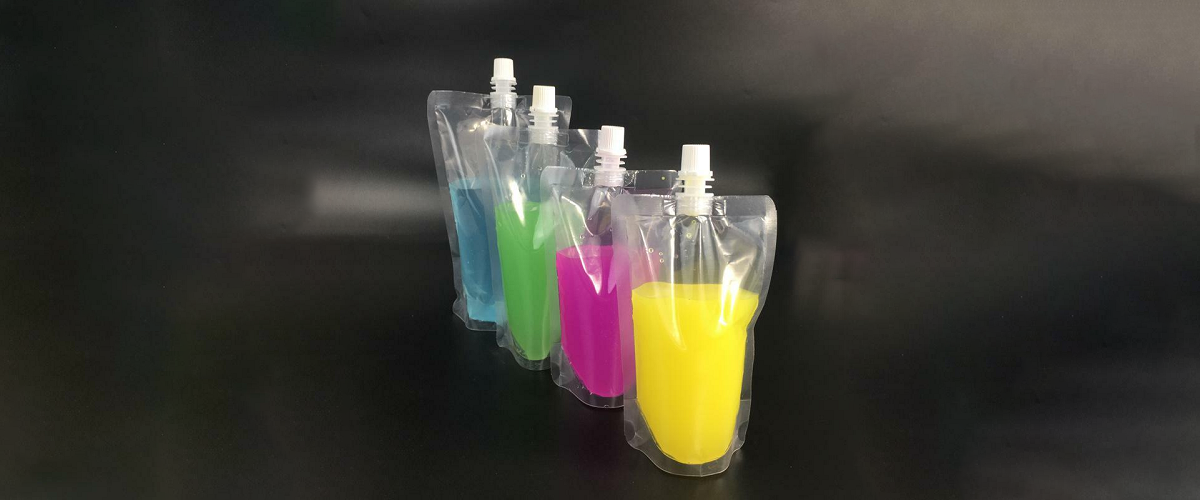
Beverage bags, often designed as stand-up pouches with spouts or straw ports, offer compelling advantages in weight reduction, logistics optimization, branding flexibility, and environmental impact. Compared to rigid containers, flexible beverage packaging uses significantly less raw material, reduces carbon emissions during transportation, and enables innovative portion-control formats.
However, liquid packaging requires high technical precision. Barrier performance, seal integrity, puncture resistance, and food safety compliance are critical to ensuring product stability and consumer confidence. As technology advances in multi-layer laminates and recyclable mono-material films, beverage bags are becoming a strategic packaging choice for modern brands seeking agility, sustainability, and competitive differentiation.
This guide explores what beverage bags are, why brands are switching to flexible liquid packaging, and the key technical and market advantages driving their rapid growth.
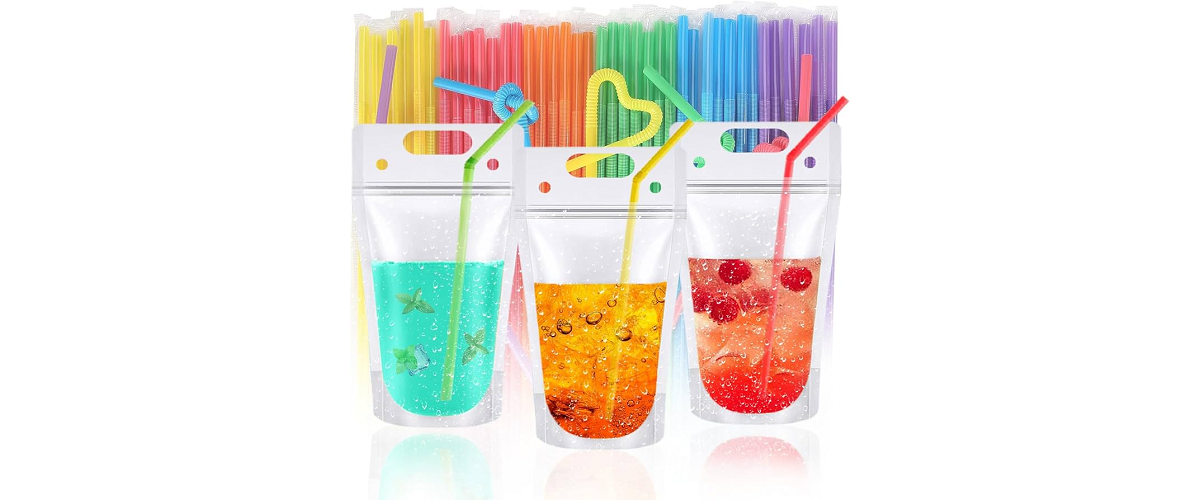
1. What Are Beverage Bags and How Do They Compare to Traditional Bottles?
Beverage bags are flexible pouches designed to hold liquid products safely and securely.
Common Types of Beverage Bags
- Stand-up pouches with spouts
- Flat pouches with straw holes
- Bag-in-box inner liners
- Retort beverage pouches
These formats are used for juices, dairy drinks, purees, alcoholic beverages, and functional drinks.
Comparison with Traditional Bottles
| Feature | Beverage Bags | Glass/PET Bottles |
|---|---|---|
| Weight | Very lightweight | Heavy |
| Storage space | Space-saving (flat before filling) | High storage volume |
| Transportation cost | Lower | Higher |
| Breakage risk | Low | Moderate to high |
| Customization | Highly flexible printing | Label-based decoration |
Flexible beverage packaging reduces material use while maintaining functional performance.
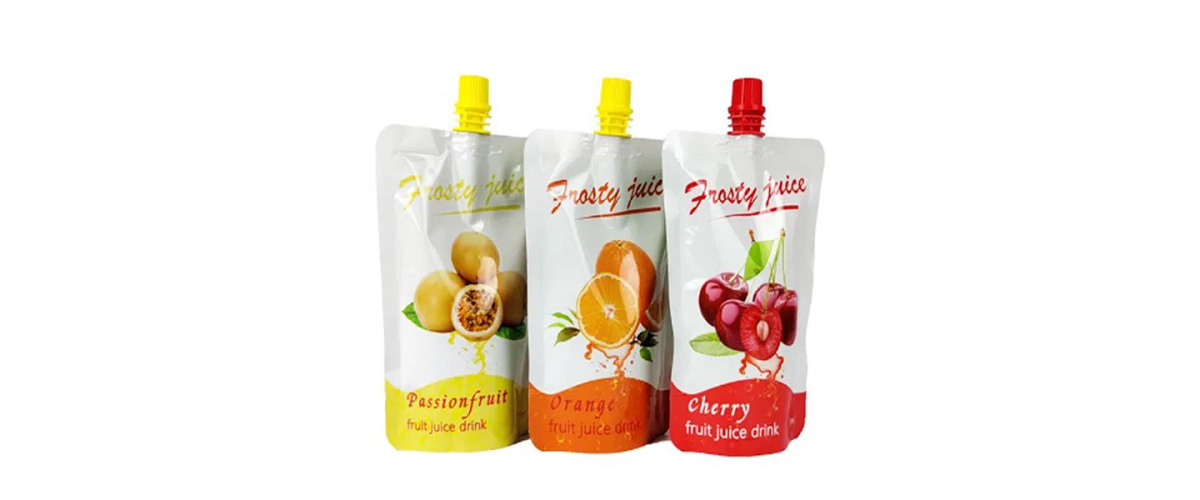
2. Why Are Beverage Brands Switching to Flexible Beverage Packaging?
Several strategic drivers are influencing this shift.
Sustainability Pressure
Flexible pouches:
- Use less plastic overall
- Reduce carbon footprint
- Lower transportation emissions
Sustainability goals are pushing brands toward lightweight formats.
Cost Optimization
Reduced material usage and shipping weight directly lower:
- Production costs
- Storage expenses
- Freight costs
This is especially important for export-focused beverage brands.
E-Commerce Growth
Flexible beverage bags:
- Resist breakage
- Reduce damage claims
- Lower dimensional weight shipping costs
Ideal for online sales channels.
Consumer Convenience
Spouted beverage pouches offer:
- Easy pouring
- Resealability
- On-the-go consumption
Enhancing user experience.
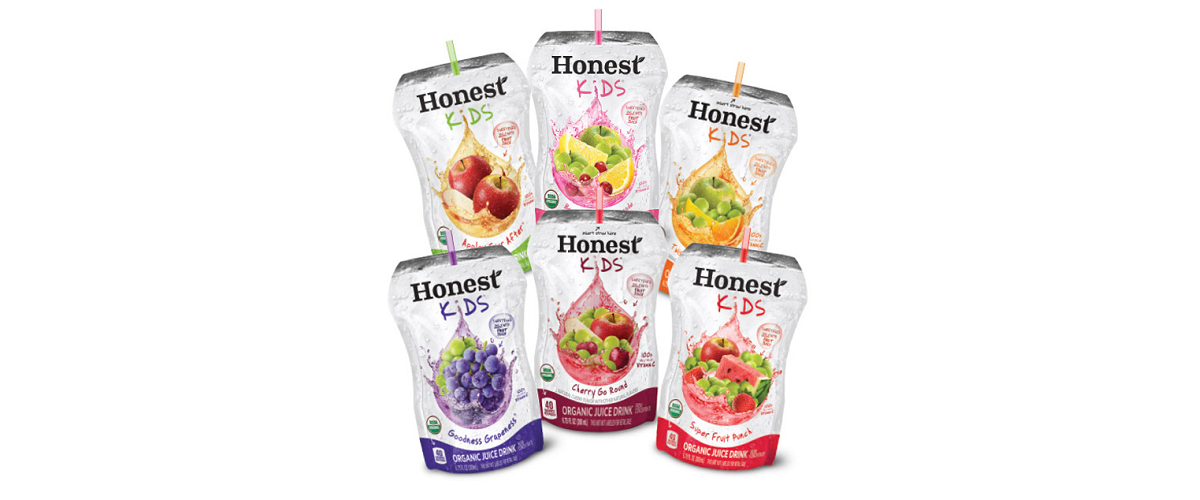
3. How Do Beverage Bags Improve Cost Efficiency and Transportation Savings?
Cost efficiency is one of the most significant advantages.
Reduced Material Usage
Compared to rigid containers, flexible packaging:
- Uses up to 70% less material (depending on format)
- Minimizes raw material waste
Lower Shipping Weight
Lightweight pouches:
- Reduce freight costs
- Increase pallet loading capacity
- Lower fuel consumption
Compact Storage Before Filling
Empty pouches:
- Occupy minimal warehouse space
- Reduce inbound logistics costs
Rigid bottles require significant storage volume before filling.
Improved Export Economics
Lower shipping weight and reduced breakage risk:
- Decrease insurance costs
- Improve profitability in long-distance markets
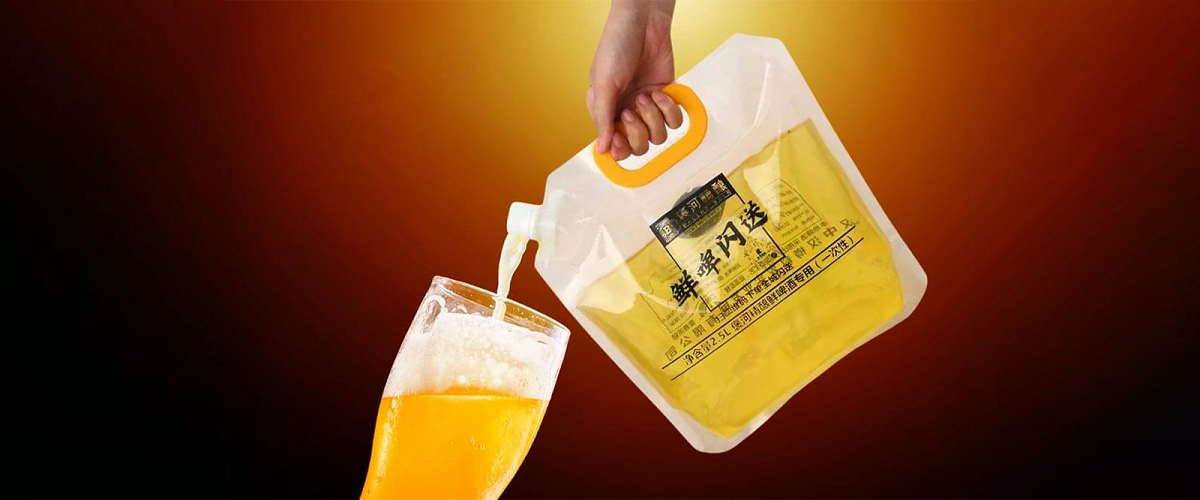
4. What Barrier and Safety Features Are Essential for Liquid Flexible Packaging?
Liquid packaging requires strict performance standards.
High Oxygen Barrier
Prevents:
- Flavor degradation
- Nutrient loss
- Oxidation of sensitive ingredients
Common materials:
- PET/AL/PE
- PET/VMPET/PE
- EVOH-based co-extruded films
Moisture and Leak Protection
Seal integrity must ensure:
- Zero leakage
- Pressure resistance
- Heat-seal strength
Puncture Resistance
Liquids create internal pressure. Multi-layer laminates improve durability.
Retort Capability (If Required)
For shelf-stable beverages:
- Retort pouches withstand high-temperature sterilization
- Maintain structural stability under thermal processing
Food Safety Compliance
Packaging materials must meet:
- FDA or EU food contact standards
- Migration testing requirements
Safety certification builds consumer trust.
5. Beverage Flexible Packaging Trends: Key Advantages for Modern Brands
Market trends support continued growth.
Spouted Stand-Up Pouches
Dominant format for:
- Juice
- Yogurt drinks
- Baby food purees
Offer strong shelf visibility and convenience.
Sustainable Mono-Material Structures
Recyclable PE-based pouches are gaining traction in eco-conscious markets.
Premium Printing & Matte Finishes
Flexible films allow:
- High-resolution graphics
- Metallic effects
- Matte luxury aesthetics
Supporting brand differentiation.
Lightweight Retort Solutions
Advancements in retort-compatible laminates expand flexible packaging use in ready-to-drink categories.
Portion-Control Formats
Smaller serving sizes support:
- Health-conscious consumers
- On-the-go lifestyles
- Reduced food waste
Industry Trends in Beverage Flexible Packaging
| Trend | Description | Market Impact |
|---|---|---|
| Spouted pouches | Resealable drink packaging | Consumer convenience growth |
| Retort beverage bags | Shelf-stable liquid products | Expanded category applications |
| Recyclable mono-PE films | Sustainable packaging | Regulatory compliance |
| Lightweight structures | Reduced material usage | Cost savings |
| E-commerce-friendly packaging | Damage-resistant format | Online channel expansion |
FAQ
Are beverage bags safe for hot-fill or retort processing?
Yes, specially designed retort laminates can withstand high-temperature sterilization.
Do beverage pouches leak easily?
No, when properly sealed with high-quality multi-layer films, leakage risk is minimal.
Are beverage bags environmentally friendly?
They generally use less material and reduce carbon emissions, and recyclable mono-material options are increasingly available.
Can beverage bags replace PET bottles completely?
Not entirely, but they are increasingly replacing rigid containers in many categories.
Conclusion
Beverage bags are becoming increasingly popular due to their lightweight structure, cost efficiency, sustainability advantages, and design flexibility. Compared to traditional rigid bottles, flexible beverage packaging significantly reduces material usage, lowers transportation costs, improves e-commerce compatibility, and enhances consumer convenience. With advancements in barrier technology, retort compatibility, and recyclable mono-material films, beverage pouches are positioned as a strategic solution for modern beverage brands seeking competitive advantage and environmental responsibility. As market demand continues to evolve, flexible beverage packaging will play an increasingly central role in shaping the future of the global beverage industry.