Why Are More and More Brands Replacing Cans with Retort Pouches?
Anna_Yu
Why Are More and More Brands Replacing Cans with Retort Pouches?
In recent years, the global food packaging industry has been undergoing a quiet but profound transformation. One of the most noticeable changes is the gradual shift away from traditional metal cans toward retort pouches. From ready-to-eat meals and sauces to pet food and seafood, retort pouches are rapidly becoming the preferred packaging solution for many forward-thinking brands.
This transition is not driven by a single factor. Instead, it is the result of changing consumer lifestyles, rising logistics costs, sustainability pressures, and continuous advancements in flexible packaging technology. Modern consumers demand packaging that is lightweight, easy to open, space-efficient, visually appealing, and environmentally responsible—requirements that traditional cans increasingly struggle to meet.
Retort pouches, as a high-performance flexible packaging format, are uniquely positioned to address these evolving demands. They offer the same level of food safety and shelf stability as cans, while delivering significant advantages in cost efficiency, branding, transportation, and user experience. As a result, brands across food, beverage, and pet nutrition sectors are actively re-evaluating their packaging strategies.
In this article, we will systematically explore why more and more brands are replacing cans with retort pouches. We will explain what retort pouches are, analyze the reasons behind the shift, examine safety considerations, explore brand-level benefits, and review the commonly used raw materials that make retort pouches possible.
What Are Retort Pouches?
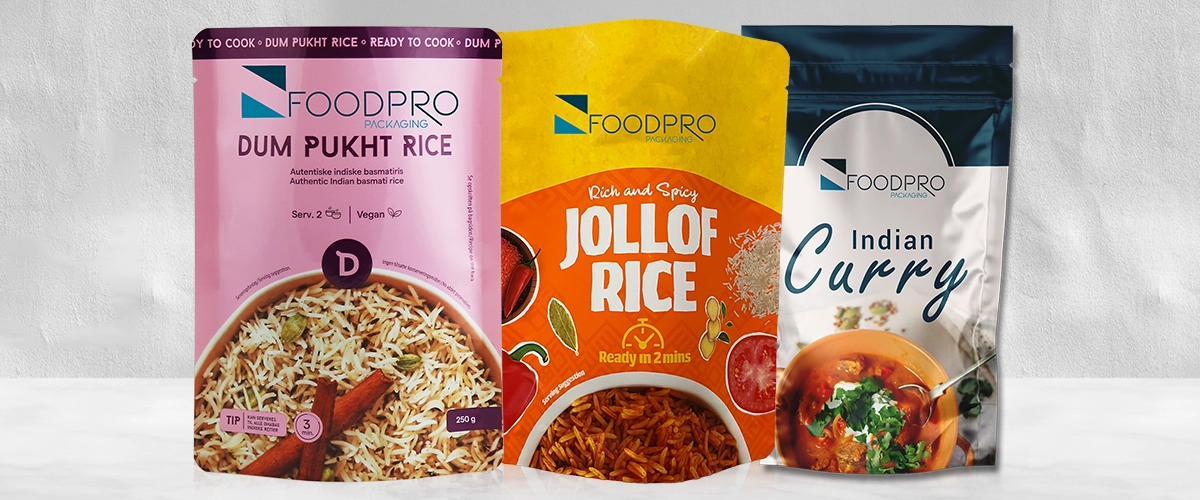
Retort pouches are heat-resistant flexible packaging bags designed to withstand high-temperature sterilization processes, typically ranging from 110°C to 135°C, similar to those used for canned foods. This process, known as retorting, destroys harmful microorganisms and allows food to be stored safely at room temperature for extended periods.
Basic Structure of Retort Pouches
A retort pouch is usually made of multiple laminated layers, each serving a specific function:
- Outer layer: Provides mechanical strength, heat resistance, and printability
- Middle barrier layer: Blocks oxygen, moisture, and light
- Inner sealing layer: Ensures food contact safety and strong heat seals
Together, these layers create a packaging system capable of protecting food quality while remaining flexible and lightweight.
Common Applications of Retort Pouches
Retort pouches are widely used for:
- Ready-to-eat meals
- Sauces, soups, and gravies
- Seafood and meat products
- Baby food
- Pet food
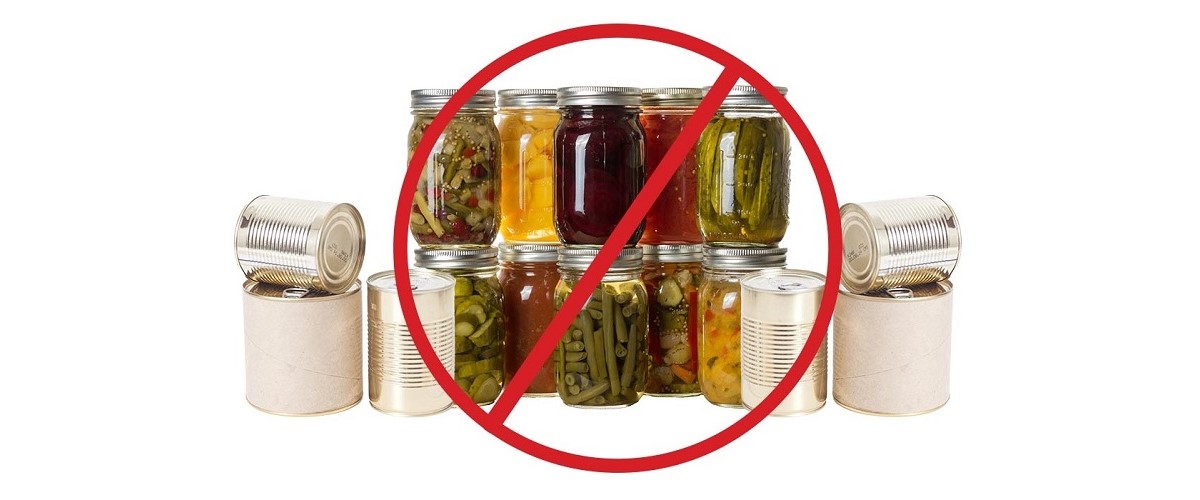
In many of these categories, retort pouches now directly compete with—and often replace—traditional metal cans.
Why Switch from Cans to Retort Pouches?
The shift from cans to retort pouches is driven by a combination of economic, logistical, and consumer-centric factors.
Lightweight and Cost-Efficient Transportation
Compared to metal cans, retort pouches are significantly lighter. This translates into:
- Lower transportation costs
- Reduced fuel consumption
- Lower carbon emissions
For brands operating at scale, logistics savings alone can justify the transition.
Space Efficiency Across the Supply Chain
Retort pouches take up far less space than cans:
- More units per pallet
- Reduced warehouse storage requirements
- Better utilization of retail shelf space
This efficiency is especially valuable in global distribution and e-commerce.
Improved Consumer Convenience
Modern consumers value convenience. Retort pouches offer:
- Easy-tear openings
- No need for can openers
- Flexible portion sizes
- Easier disposal after use
These features directly enhance the user experience.
Enhanced Branding and Shelf Appeal
Unlike rigid cans, retort pouches support:
- Full-surface, high-quality printing
- Matte, glossy, or soft-touch finishes
- Modern and premium visual design
This gives brands greater freedom to differentiate their products.
Are Retort Pouches Safe?
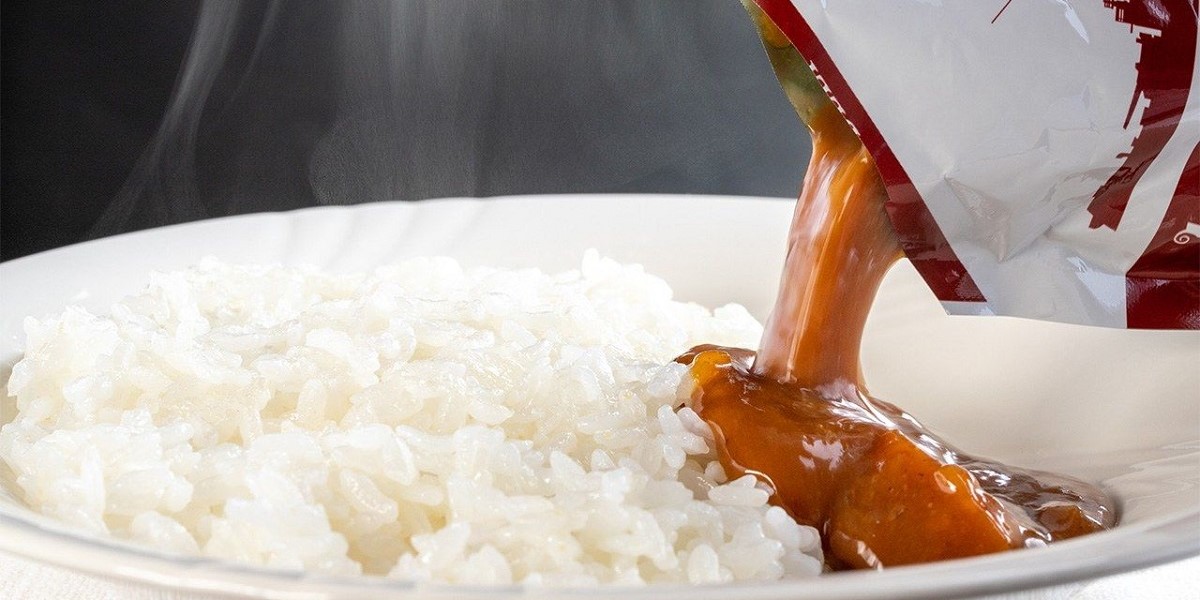
Safety is often the first concern when replacing cans with flexible packaging. Retort pouches are fully safe when properly designed and manufactured.
High-Temperature Sterilization
Retort pouches undergo the same thermal sterilization principles as canned foods, ensuring:
- Elimination of pathogens
- Long shelf life without refrigeration
- Compliance with global food safety standards
Food-Grade Materials
All inner layers of retort pouches are made from certified food-contact materials that:
- Do not leach harmful substances
- Remain stable under high heat
- Preserve taste and nutritional value
Seal Integrity and Quality Control
Advanced sealing technologies ensure:
- Strong, hermetic seals
- Resistance to pressure and temperature changes
- Reliable performance during transport and storage
When produced under proper quality systems, retort pouches are as safe as, and sometimes safer than, traditional cans.
Why Are Retort Pouches Favored by Various Brands?
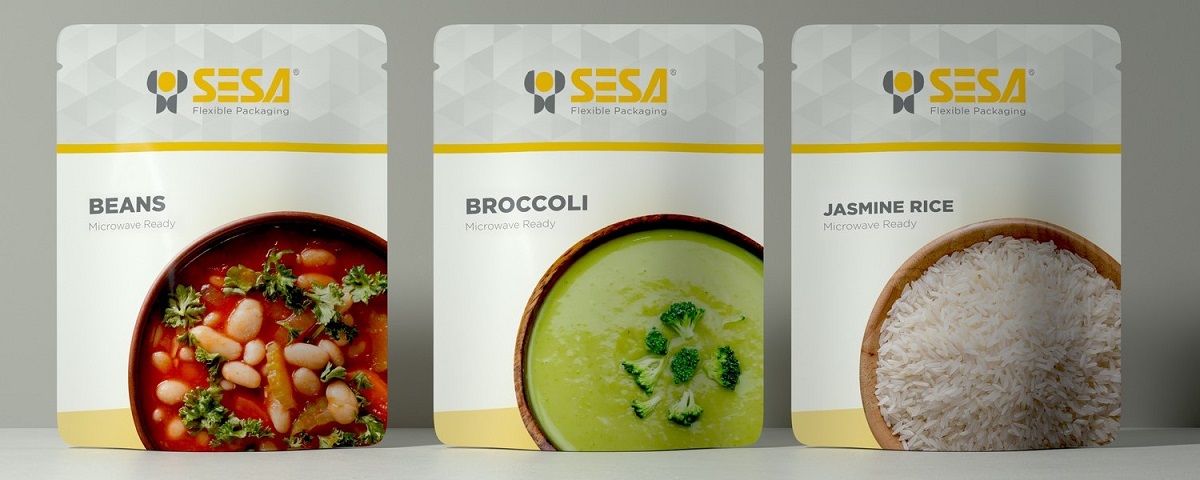
Brands across multiple industries are embracing retort pouches for strategic reasons.
Cost Optimization Without Quality Loss
Retort pouches often reduce:
- Material costs
- Shipping expenses
- Storage and handling costs
All while maintaining product safety and shelf life.
Sustainability Advantages
Compared to cans, retort pouches:
- Use fewer raw materials
- Generate lower transportation emissions
- Support ongoing development of recyclable structures
This aligns with corporate sustainability goals.
Faster Market Adaptation
Flexible packaging allows brands to:
- Launch new SKUs quickly
- Customize portion sizes
- Test limited editions with lower tooling costs
This agility is increasingly important in competitive markets.
Global Market Compatibility
Retort pouches are well-suited for:
- Export markets
- Emergency food supplies
- Military and outdoor applications
Their durability and efficiency make them ideal for diverse distribution channels.
What Are the Commonly Used Raw Materials for Retort Pouches?
The performance of retort pouches depends heavily on material selection.
PET (Polyester)
Used as the outer layer for:
- Heat resistance
- Mechanical strength
- High-quality printing
Aluminum Foil
Provides:
- Excellent oxygen and light barrier
- Long shelf-life protection
Often used in traditional high-barrier retort structures.
Nylon (PA)
Enhances:
- Puncture resistance
- Flexibility
- Structural integrity
Especially important for liquid or sharp-edged contents.
CPP or RCPP (Cast Polypropylene)
Used as the inner sealing layer for:
- Heat seal strength
- Food contact safety
- Resistance to high-temperature processing
Emerging Alternatives
To improve sustainability, brands are exploring:
- Aluminum-free retort structures
- Mono-material retort pouches
- Advanced barrier coatings
FAQ
Do retort pouches have the same shelf life as cans?
Yes. When properly processed, retort pouches can achieve shelf lives comparable to canned foods.
Can retort pouches be recycled?
Traditional structures are difficult to recycle, but new mono-material and aluminum-free solutions are emerging.
Are retort pouches suitable for liquids?
Yes. They are widely used for soups, sauces, gravies, and pet food.
Do retort pouches affect food taste?
No. In many cases, shorter heat penetration times help preserve flavor and texture better than cans.
Conclusion
The replacement of cans with retort pouches is not a temporary trend—it is a strategic evolution driven by efficiency, sustainability, branding, and consumer convenience. Retort pouches offer the same safety and shelf stability as traditional cans while delivering superior performance across logistics, design, and user experience. As material science and recycling technologies continue to advance, retort pouches are set to play an even more dominant role in the future of shelf-stable food packaging.