Why Are Packaging and Product Equally Important?
Anna_Yu
Why Are Packaging and Product Equally Important?
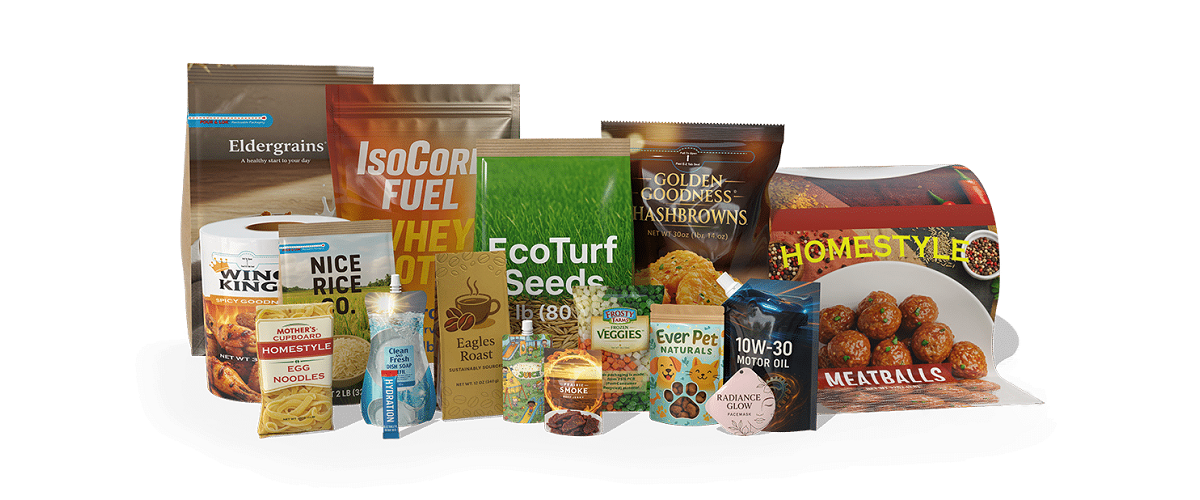
In modern consumer markets, a successful product is no longer defined solely by its internal quality or functionality. While product performance remains essential, packaging has evolved into an equally important component of overall product strategy. Packaging serves as the first point of interaction between a brand and its customers, often shaping consumer perceptions long before the product is opened or experienced. In crowded retail environments and highly competitive e-commerce platforms, packaging can determine whether a product is noticed, trusted, and ultimately purchased.
Beyond visual appeal, packaging performs several critical functions that directly influence product success. It protects the product during transportation and storage, preserves freshness and quality, communicates brand identity, and delivers key information to consumers. For many industries—especially food, beverages, cosmetics, and consumer goods—effective packaging is essential for maintaining product integrity and meeting regulatory standards.
Flexible packaging solutions have further expanded the strategic role of packaging. Through advanced materials, innovative formats, and high-quality printing capabilities, flexible packaging enables brands to combine functionality with strong marketing impact. As a result, companies increasingly view packaging not merely as a container but as a powerful tool for brand differentiation and long-term growth.
This article explores why packaging plays such a critical role in product success, how it influences consumer perception and purchasing decisions, its importance in protecting product quality, and how flexible packaging can strengthen brand competitiveness in today’s marketplace.
1. Why Does Packaging Play a Critical Role in Product Success?
Packaging acts as the bridge between the product and the consumer.
First Impression at the Point of Sale
In retail environments, consumers often encounter packaging before they learn about the product itself. An attractive and well-designed package can:
- Capture attention on crowded shelves
- Communicate product benefits quickly
- Encourage consumers to explore the product further
A strong first impression significantly increases the likelihood of purchase.
Communication of Product Information
Packaging delivers essential information such as:
- Product ingredients or specifications
- Usage instructions
- Expiration dates
- Safety warnings
Clear labeling builds consumer trust and ensures regulatory compliance.
Differentiation in Competitive Markets
In industries with many similar products, packaging helps brands stand out by:
- Highlighting unique features
- Creating a recognizable visual identity
- Reinforcing brand positioning
Distinctive packaging can turn a standard product into a memorable brand experience.
2. How Does Packaging Influence Consumer Perception and Buying Decisions?
Consumer psychology plays a major role in packaging effectiveness.
Visual Appeal and Emotional Response
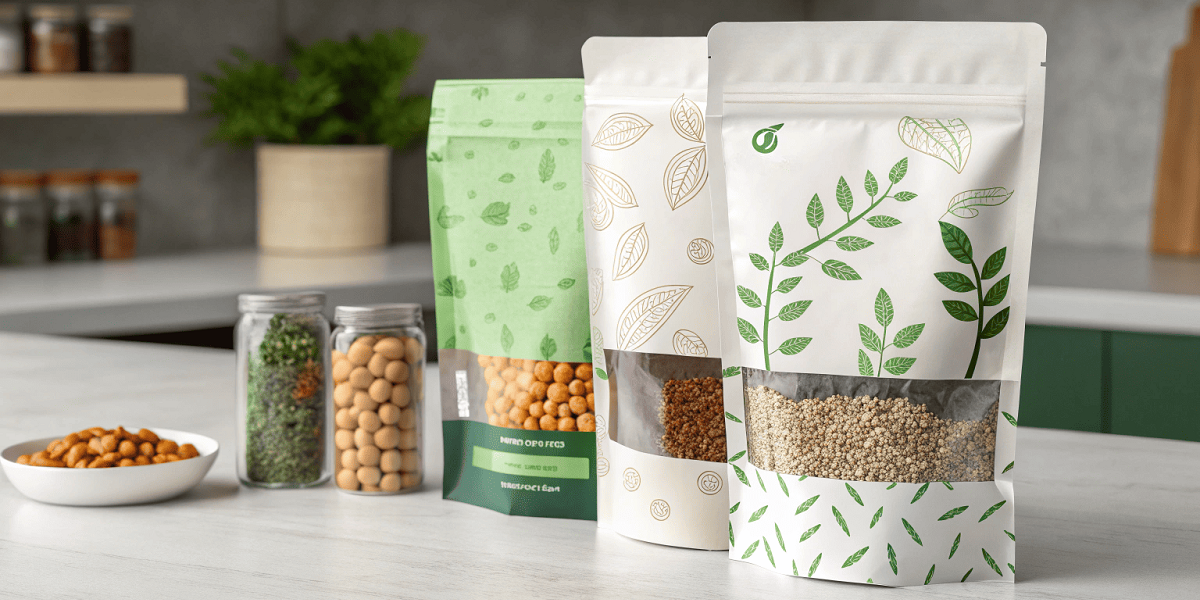
Color schemes, typography, and graphics influence how consumers emotionally connect with a product. For example:
- Bright colors suggest energy and excitement
- Minimalist designs convey sophistication
- Natural tones communicate health and sustainability
These visual cues shape consumer expectations before product use.
Perceived Product Quality
Consumers often associate high-quality packaging with high-quality products. Premium packaging materials, finishes, and printing techniques can enhance perceived value and justify higher pricing.
Brand Trust and Recognition
Consistent packaging design across product lines helps consumers easily recognize and trust a brand. Familiarity reduces purchase hesitation and encourages repeat buying.
Impulse Purchasing
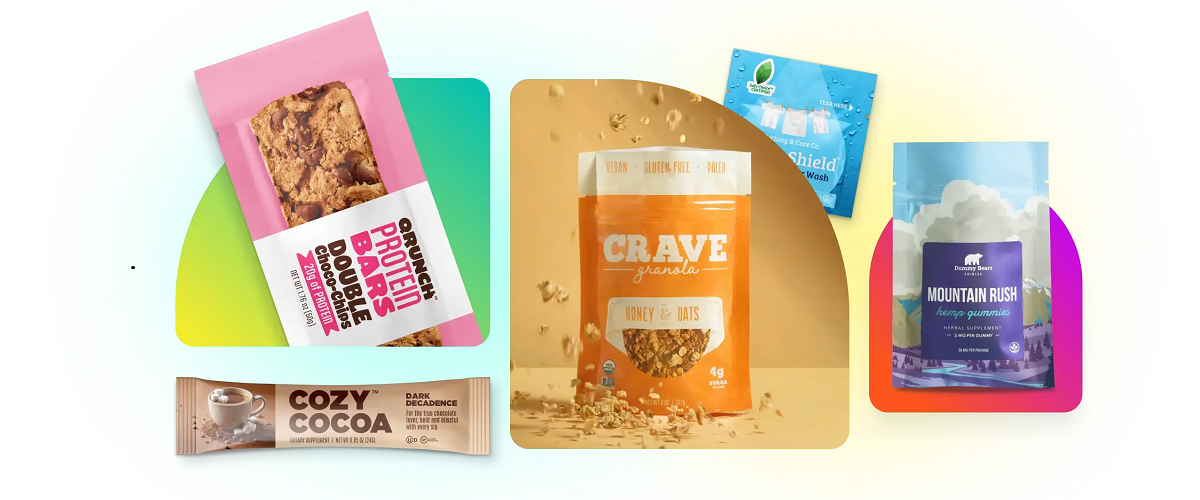
Eye-catching packaging can trigger spontaneous purchases, particularly in categories such as snacks, beverages, and confectionery.
3. What Role Does Packaging Play in Protecting Product Quality and Shelf Life?
Beyond marketing functions, packaging is essential for product preservation.
Physical Protection
Packaging shields products from external damage during:
- Transportation
- Handling
- Storage
Durable packaging prevents breakage, contamination, and product loss.
Barrier Protection
Many products require protection from environmental factors such as:
- Oxygen exposure
- Moisture
- Light
- Temperature fluctuations
Barrier materials in flexible packaging help extend product shelf life and maintain quality.
Food Safety and Hygiene
In the food industry, packaging plays a critical role in preventing contamination and ensuring compliance with safety standards.
Product Freshness Preservation
Proper packaging maintains:
- Flavor
- Texture
- Aroma
- Nutritional value
This is especially important for perishable products such as snacks, coffee, and dried foods.
4. How Can Flexible Packaging Enhance Brand Identity and Market Competitiveness?
Flexible packaging has become a powerful tool for brand development.
Versatile Design Possibilities
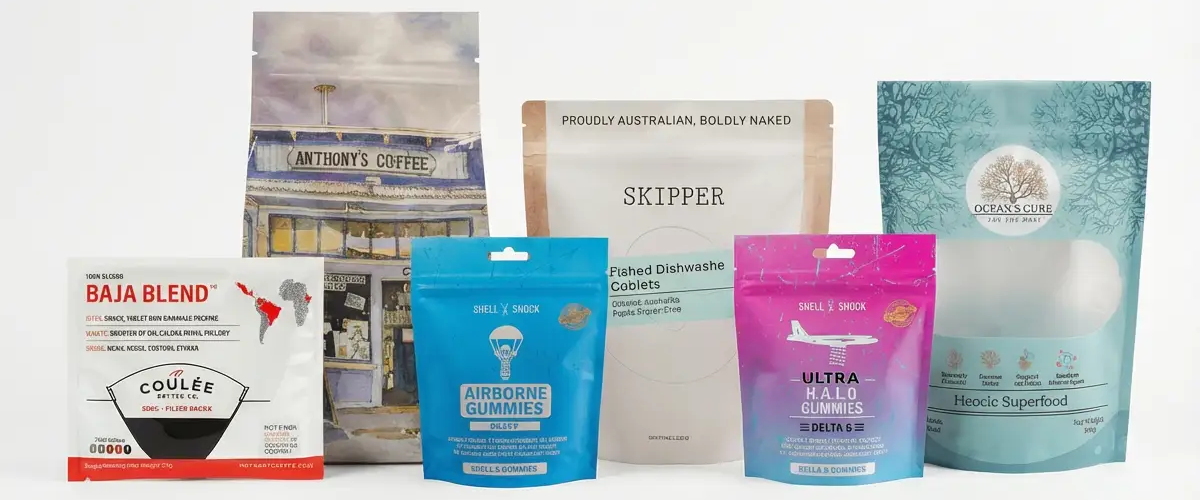
Flexible packaging supports:
- High-resolution printing
- Vibrant colors
- Metallic finishes
- Unique shapes and formats
These features allow brands to create distinctive visual identities.
Lightweight and Cost-Efficient
Compared to rigid packaging, flexible packaging:
- Uses less material
- Reduces transportation weight
- Lowers shipping costs
This improves overall supply chain efficiency.
Convenient Consumer Features
Modern flexible packaging can include:
- Resealable zippers
- Easy-tear openings
- Stand-up pouch structures
These features improve consumer experience and usability.
Sustainability Opportunities
Flexible packaging innovations now include:
- Recyclable mono-material structures
- Reduced material thickness
- Eco-friendly printing technologies
These developments help brands meet growing environmental expectations.
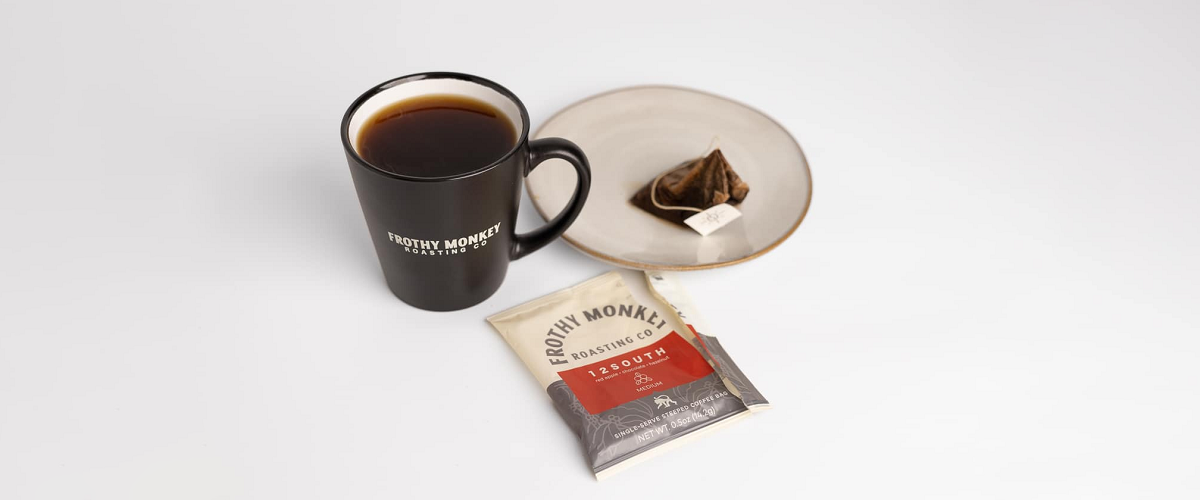
5. Packaging and Product Strategy: Key Factors for Long-Term Brand Growth
Companies that integrate packaging into their product strategy gain a competitive advantage.
Align Packaging with Brand Positioning
Packaging should reflect the brand’s core values, whether it is premium quality, sustainability, convenience, or innovation.
Invest in Consumer-Centered Design
Understanding consumer preferences allows brands to design packaging that resonates with their target audience.
Balance Aesthetics and Functionality
Successful packaging combines attractive design with practical performance, ensuring both marketing impact and product protection.
Adapt to Market Trends
Brands should continuously update packaging strategies to reflect changing consumer expectations, technological advances, and sustainability requirements.
FAQ
Why is packaging considered part of the product experience?
Because consumers interact with packaging before using the product, influencing their expectations and overall satisfaction.
Can packaging affect product sales?
Yes. Attractive and functional packaging can significantly increase product visibility and purchase likelihood.
Why is flexible packaging becoming more popular?
It offers strong protection, lightweight structure, cost efficiency, and excellent design flexibility.
Is packaging important for brand recognition?
Yes. Consistent packaging design helps consumers easily identify and remember a brand.
Conclusion
Packaging and product quality are equally important components of successful product development and marketing. While the product itself delivers functional value, packaging shapes consumer perception, protects product integrity, and communicates brand identity. In today’s competitive marketplace, companies that invest in well-designed, high-performance packaging solutions gain a significant advantage in attracting customers and building long-term brand loyalty. Flexible packaging, in particular, offers a powerful combination of protection, design flexibility, cost efficiency, and sustainability. By integrating packaging into their overall product strategy, brands can strengthen market competitiveness and support sustainable growth.