Why Are Small Pillow Pouches More Suitable as Tea Packaging?
Anna_Yu
Why Are Small Pillow Pouches More Suitable as Tea Packaging?
Tea is one of the most widely consumed beverages in the world, and maintaining its freshness, aroma, and quality is essential for both producers and consumers. Unlike many other food products, tea is highly sensitive to environmental factors such as moisture, oxygen, light, and strong external odors. If tea is not properly packaged, its delicate aroma and flavor can quickly deteriorate, leading to a reduced shelf life and a lower-quality consumer experience. As a result, selecting the right packaging format plays a critical role in protecting tea products during storage, transportation, and retail display.
In recent years, small pillow pouches have become an increasingly popular packaging format for tea products. These compact, flexible packaging bags are commonly used for single-serve or portion-controlled tea packaging. Their simple yet efficient structure allows tea manufacturers to package products in a cost-effective and convenient way while still maintaining excellent protection against environmental factors. Pillow pouches are widely used for tea bags, loose-leaf tea portions, and instant tea powders, especially in large-scale automated packaging systems.
Compared with more complex packaging formats such as stand-up pouches or rigid containers, pillow pouches offer several advantages. They are lightweight, easy to produce, and compatible with high-speed packaging equipment, which makes them particularly suitable for mass production. Additionally, modern flexible packaging materials allow pillow pouches to incorporate strong barrier properties that protect tea from moisture and oxygen, helping preserve aroma and flavor for longer periods.
This article explores what small pillow pouches are and why they are widely used for tea packaging, how they help maintain tea freshness and aroma, which materials are most suitable for tea pillow pouch packaging, and why they are especially effective for single-serve tea products.
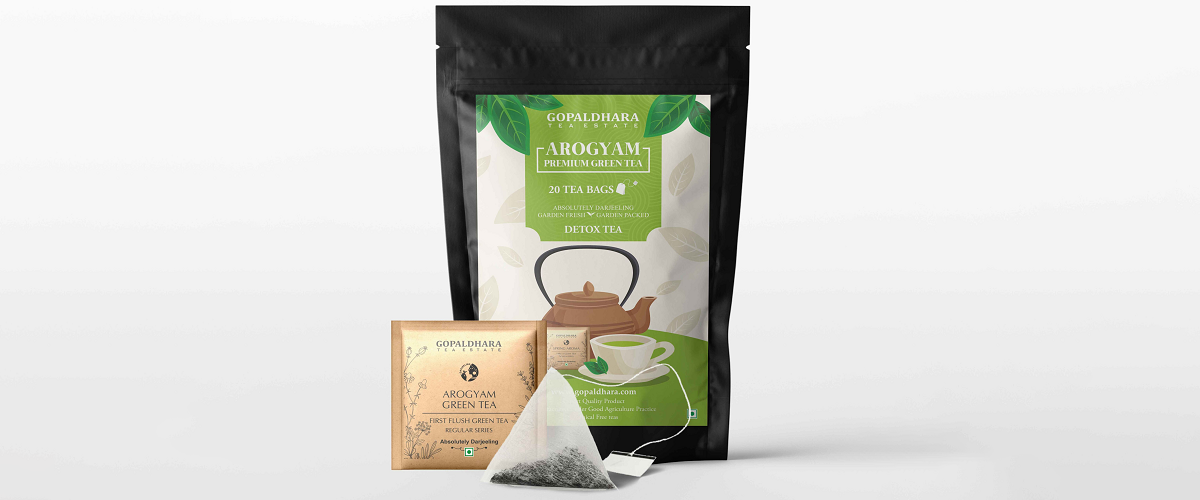
1. What Are Small Pillow Pouches and Why Are They Used for Tea Packaging?
Small pillow pouches are one of the most common flexible packaging formats used in the food industry.
Structure of Pillow Pouches
A pillow pouch is a type of flexible packaging bag that is sealed on three sides with a back seal in the center. When filled with product, the pouch expands slightly and forms a pillow-like shape.
Typical characteristics include:
- A simple rectangular structure
- Heat-sealed top and bottom edges
- A central back seal
This design is compatible with high-speed vertical form-fill-seal (VFFS) packaging machines.
Why Tea Producers Prefer Pillow Pouches
Tea manufacturers often choose pillow pouches because they offer several practical advantages:
- Efficient packaging for small portions
- Low material consumption
- High-speed automated production
- Easy stacking and transportation
These factors make pillow pouches an ideal solution for large-scale tea packaging operations.
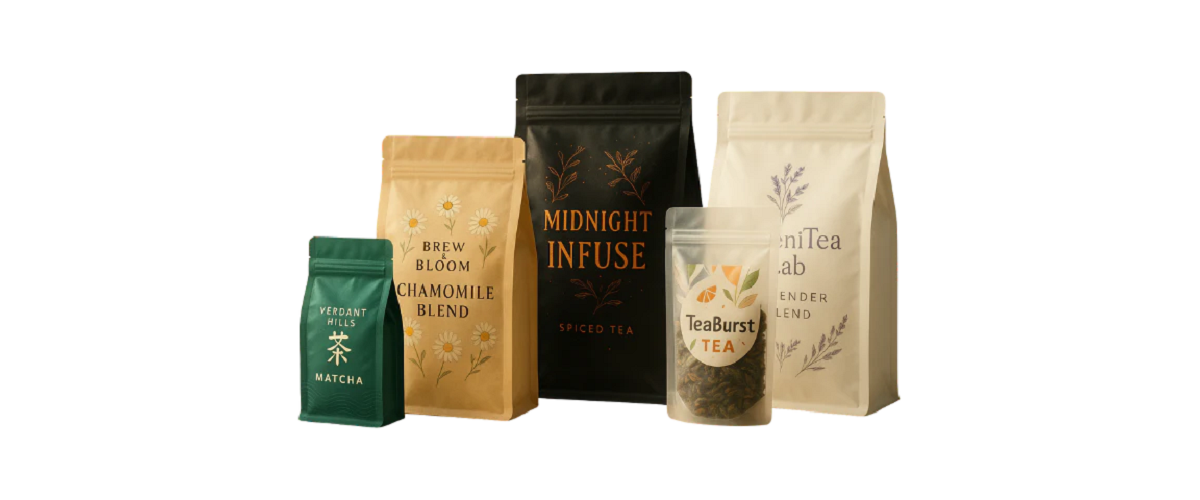
2. How Do Small Pillow Pouches Help Preserve Tea Freshness and Aroma?
Tea freshness depends heavily on protecting it from environmental exposure.
Protection Against Moisture
Moisture is one of the biggest threats to tea quality. When tea absorbs moisture, it can lose its crisp texture and develop mold or off-flavors.
Flexible packaging films used in pillow pouches provide moisture-resistant barriers that help maintain product dryness.
Oxygen Barrier Performance
Oxygen exposure can cause oxidation in tea leaves, which gradually reduces aroma and flavor quality. Multi-layer flexible packaging materials can significantly slow down this process.
Aroma Retention
Tea contains delicate aromatic compounds that can easily dissipate if packaging is not properly sealed. Pillow pouches with strong heat seals help preserve these natural aromas.
Protection from External Odors
Tea can absorb surrounding odors from other products or environments. Proper packaging materials help prevent contamination from external smells.

3. Which Materials Are Best for Tea Pillow Pouch Packaging?
Material selection plays a key role in maintaining tea quality.
BOPP (Biaxially Oriented Polypropylene)
BOPP films are commonly used in tea packaging because they provide:
- Good moisture resistance
- Excellent printability
- Clear or glossy appearance
PET (Polyethylene Terephthalate)
PET films offer high strength and improved barrier properties, making them suitable for premium tea packaging.
Metallized Films
Metallized flexible films provide enhanced protection against light, moisture, and oxygen. They are often used for higher-value tea products.
Multi-Layer Laminates
Combining different materials in laminated structures allows manufacturers to achieve:
- Improved durability
- Enhanced barrier protection
- Better sealing performance
These structures help maintain tea freshness for longer storage periods.
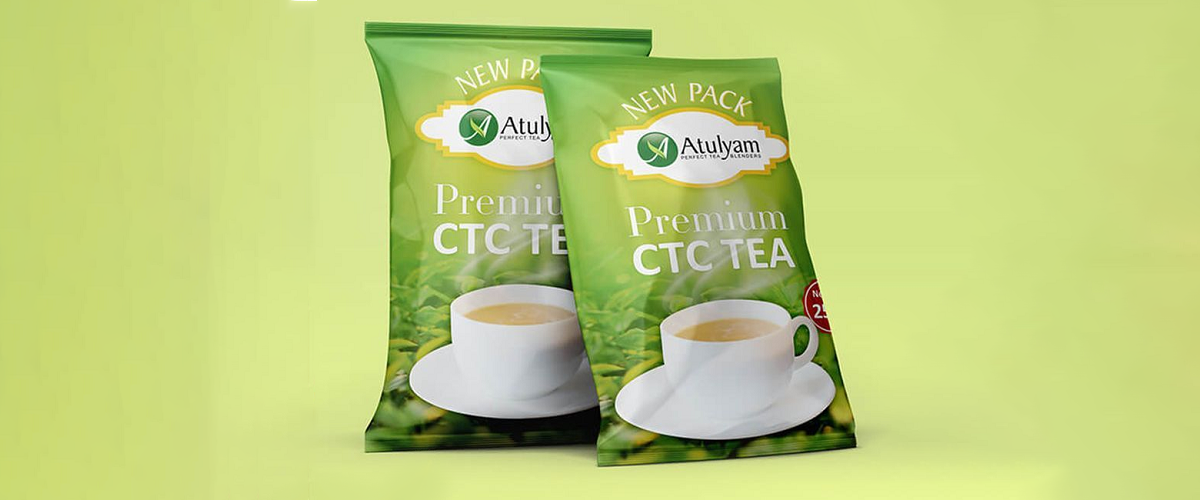
4. Why Are Pillow Pouches Ideal for Single-Serve or Portion-Controlled Tea Products?
Modern consumers increasingly prefer convenient packaging formats.
Portion Control
Small pillow pouches allow tea producers to package pre-measured portions that are convenient for individual use.
Hygienic Packaging
Each pouch protects a specific portion of tea, reducing the risk of contamination during handling.
Convenience for Travel and Hospitality
Single-serve tea pillow pouches are widely used in:
- Hotels
- Airlines
- Offices
- Catering services
These environments require compact, hygienic, and easy-to-store packaging solutions.
Reduced Product Waste
Individual portions help prevent tea from being exposed repeatedly to air and moisture, reducing waste and preserving freshness.

5. Small Pillow Pouch Tea Packaging: Key Advantages for Cost and Efficiency
Small pillow pouches provide both economic and operational benefits.
Cost-Effective Production
The simple structure of pillow pouches requires less material compared with more complex packaging formats.
High-Speed Manufacturing
Pillow pouches are compatible with automated packaging equipment, allowing manufacturers to achieve high production efficiency.
Lightweight Transportation
Flexible pillow pouches weigh significantly less than rigid containers, helping reduce shipping costs.
Space Efficiency
Their compact shape allows more units to be stored and transported in a limited space.
FAQ
Why are pillow pouches commonly used for tea packaging?
Pillow pouches are cost-effective, compatible with high-speed packaging machines, and provide reliable protection for small tea portions.
Do pillow pouches provide enough protection for tea freshness?
Yes. When combined with appropriate barrier materials, pillow pouches can effectively protect tea from moisture, oxygen, and external odors.
What materials are typically used for tea pillow pouch packaging?
Common materials include BOPP, PET, metallized films, and multi-layer laminated structures.
Are pillow pouches suitable for premium tea products?
Yes. High-quality laminated materials and advanced printing technologies allow pillow pouches to be used for both standard and premium tea packaging.
Conclusion
Small pillow pouches have become a widely used packaging solution for tea products due to their simplicity, efficiency, and strong protective performance. Their lightweight structure, compatibility with automated packaging systems, and ability to package individual portions make them particularly suitable for modern tea production and distribution. When combined with high-quality flexible packaging materials, pillow pouches can effectively protect tea from moisture, oxygen, and external contaminants, helping preserve its natural aroma and flavor. For tea brands seeking a cost-effective, convenient, and reliable packaging solution, small pillow pouches offer a practical option that balances product protection, manufacturing efficiency, and consumer convenience.