Why Are Small Tea Packets Becoming Increasingly Popular?
Anna_Yu
Why Are Small Tea Packets Becoming Increasingly Popular?
Small tea packets have become one of the fastest-growing packaging formats in the global tea industry. As consumer lifestyles become busier and demand for convenience continues to rise, individually portioned tea products are increasingly replacing traditional large tea bags and loose-leaf tea packaging. Whether used for premium loose-leaf tea, herbal blends, green tea, black tea, oolong tea, or specialty wellness teas, small tea packets offer an ideal balance of freshness, portability, and consumer convenience.
Unlike bulk tea packaging, which exposes the remaining tea leaves to air and moisture each time the package is opened, small tea packets protect individual servings until they are ready to be consumed. This helps preserve the tea's delicate aroma, natural flavor, and nutritional compounds while reducing waste. In addition, single-portion packaging has become especially popular in e-commerce, hotels, offices, cafés, gift boxes, and premium retail markets where presentation and hygiene are equally important.
Flexible packaging has become the preferred solution for small tea packets because it combines excellent barrier protection, lightweight transportation, high-quality printing, and extensive customization options. By selecting appropriate packaging formats, advanced barrier materials, and consumer-friendly features, tea brands can improve product quality while strengthening their market competitiveness. This guide explores why small tea packets are becoming increasingly popular and how flexible packaging supports their success.
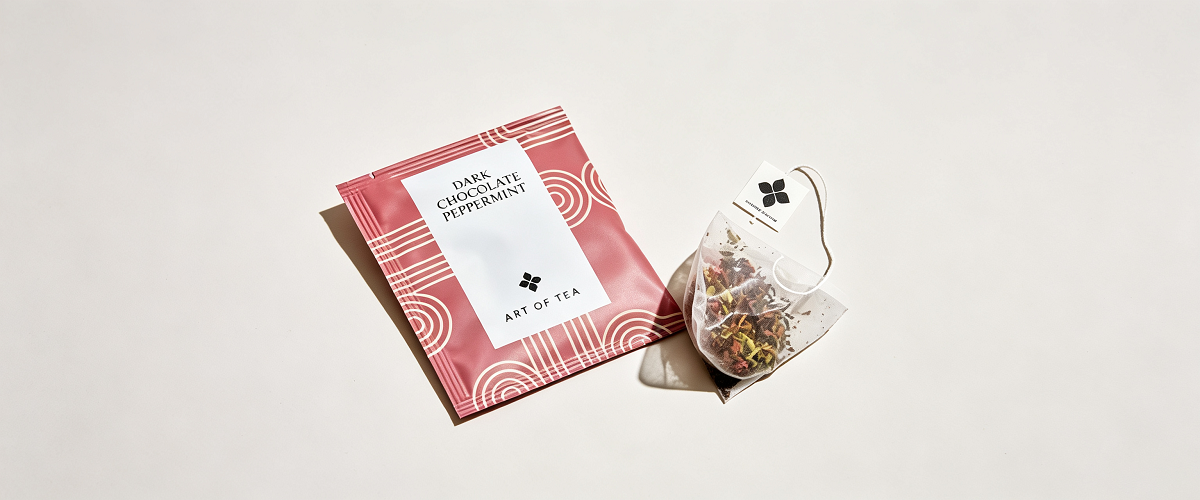
1. Why Are Small Tea Packets Gaining Popularity Among Modern Consumers?
Changing consumer habits have significantly increased demand for individually packaged tea products.
Portion Control
- Consistent brewing experience
- No measuring required
- Reduced product waste
Enhanced Freshness
Each serving remains sealed until use, helping preserve aroma and flavor.
Portability
Small tea packets are convenient for:
- Travel
- Offices
- Hotels
- Outdoor activities
- On-the-go lifestyles
Improved Hygiene
Individual packaging minimizes repeated exposure to air and handling.
Premium Product Presentation
Small packets create a higher perceived value, especially for specialty and gift teas.
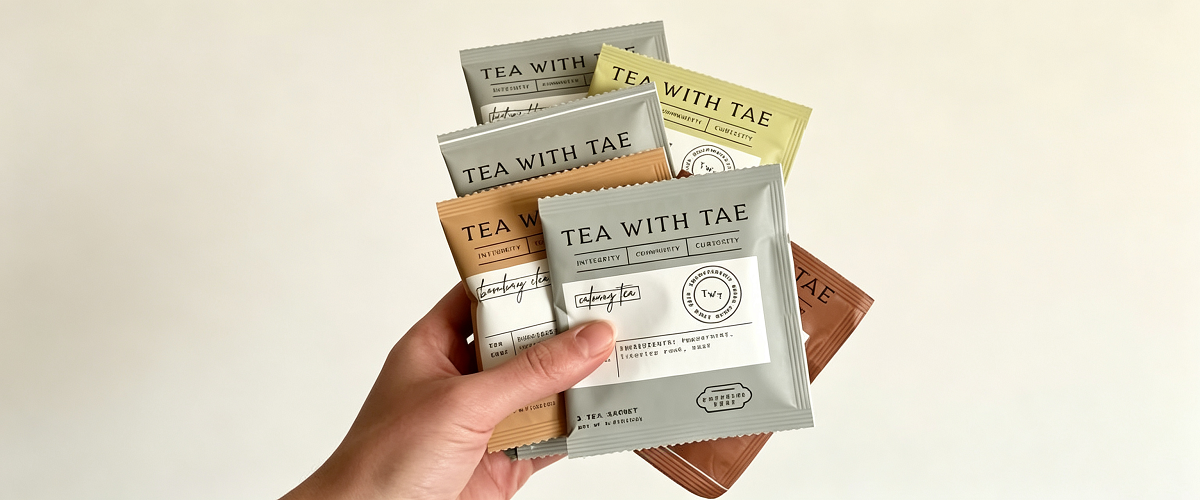
2. How Do Small Tea Packets Help Preserve Tea Freshness and Aroma?
Tea leaves are highly sensitive to environmental conditions that can reduce product quality.
Moisture Barrier Protection
Proper packaging helps prevent:
- Moisture absorption
- Mold growth
- Loss of crisp, dry leaf quality
Oxygen Barrier Protection
Reducing oxygen exposure helps preserve:
- Natural aroma
- Flavor compounds
- Antioxidants and polyphenols
Light Protection
Barrier materials protect tea from UV exposure that can accelerate quality degradation.
Aroma Retention
High-barrier packaging locks in the distinctive fragrance of premium tea varieties.
Contamination Prevention
Sealed packets protect tea from dust, odors, insects, and external contaminants.
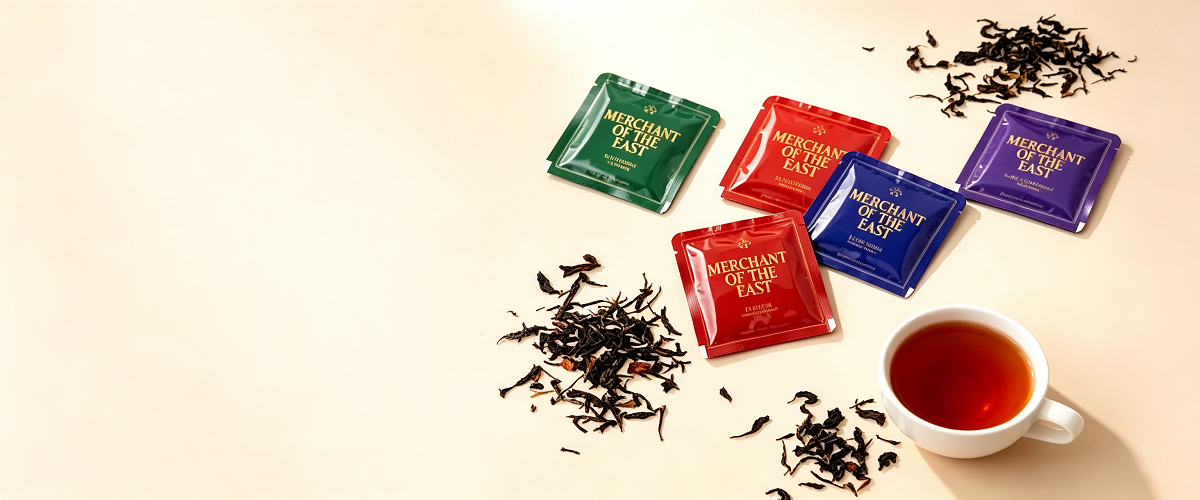
3. Which Flexible Packaging Materials Are Best for Small Tea Packets?
Material selection directly influences freshness, shelf life, and product presentation.
PET (Polyethylene Terephthalate)
- Excellent mechanical strength
- High-quality printing
- Durable outer layer
PE (Polyethylene)
- Reliable heat sealing
- Good moisture resistance
- Food-safe inner layer
BOPP (Biaxially Oriented Polypropylene)
- Excellent clarity
- Good moisture barrier
- Cost-effective packaging solution
Metallized Films (MPET)
- Enhanced oxygen and moisture barrier
- Suitable for premium tea products
Aluminum Foil Laminates
- Superior protection against oxygen, moisture, odors, and light
- Ideal for premium loose-leaf tea and export packaging
EVOH-Based Structures
- Excellent oxygen barrier
- Suitable for recyclable flexible packaging systems
Typical Laminated Structures
| Structure | Features | Applications |
|---|---|---|
| BOPP/PE | Economical moisture protection | Standard tea packets |
| PET/PE | Durable and attractive | Retail tea packaging |
| PET/MPET/PE | Enhanced barrier performance | Premium tea products |
| PET/AL/PE | Maximum freshness protection | High-end and export tea packaging |
| PE/EVOH/PE | Recyclable high-barrier solution | Sustainable tea packaging |
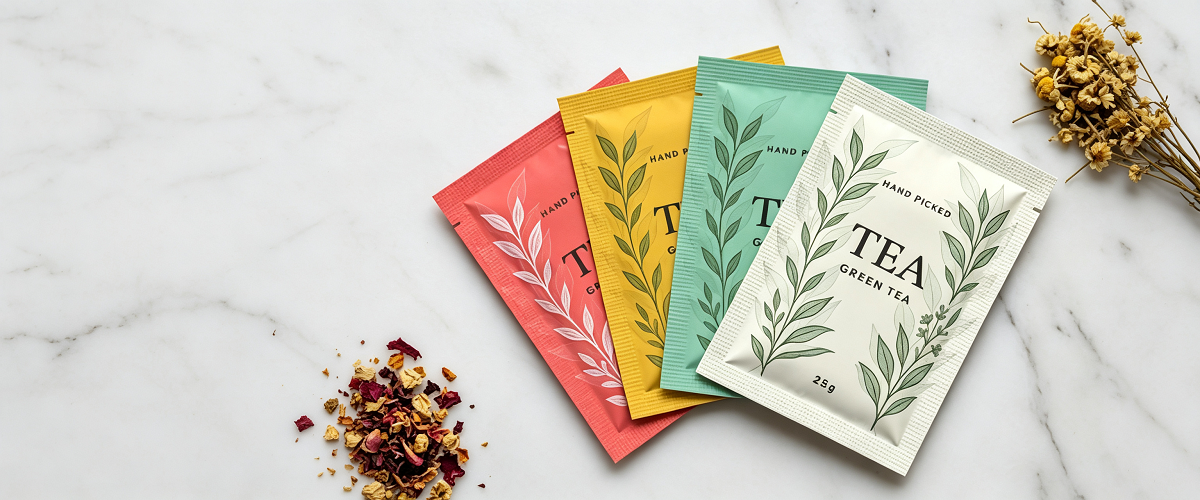
4. What Packaging Features Make Small Tea Packets More Convenient and Marketable?
Functional packaging features improve both user experience and product value.
Easy-Tear Notches
Allow consumers to open packets quickly without scissors.
High-Quality Printing
Enhances shelf appeal and communicates product information clearly.
Matte, Gloss, and Specialty Finishes
Create a premium appearance that supports brand positioning.
Compact Package Design
Fits easily into handbags, lunch boxes, travel kits, and office drawers.
QR Codes
Provide brewing instructions, product origin information, authentication, and marketing content.
Custom Shapes and Sizes
Support brand differentiation and accommodate various tea portion sizes.
Secondary Gift Packaging Compatibility
Individual tea packets can be easily arranged into premium gift boxes and sampler collections.
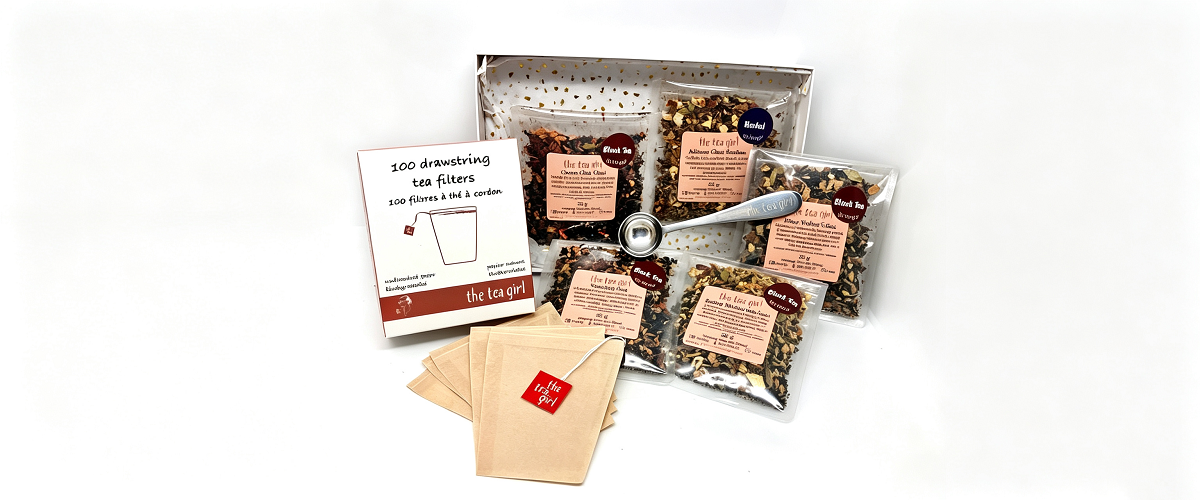
5. Small Tea Packet Packaging: Key Benefits for Branding, Portion Control, and Shelf Life
An effective packaging strategy combines product protection with strong commercial value.
Longer Shelf Life
High-barrier materials help preserve aroma, flavor, and tea quality throughout storage.
Strong Brand Identity
Premium graphics and finishing techniques improve product recognition and consumer trust.
Consumer Convenience
Single-serving packets support busy lifestyles while reducing waste.
Transportation Efficiency
Flexible packaging lowers shipping weight and storage costs compared with rigid packaging.
Sustainability Opportunities
Recyclable mono-material and EVOH-based packaging structures help brands meet growing environmental expectations.
Market Expansion
Small tea packets are well suited for retail, e-commerce, hospitality, corporate gifting, and international export markets.
FAQ
Why are small tea packets becoming more popular?
Consumers increasingly value convenience, freshness, portion control, and portability, making individually packaged tea an attractive choice.
Do small tea packets keep tea fresher than large bags?
Yes. Each packet remains sealed until use, minimizing exposure to oxygen and moisture and helping preserve aroma and flavor.
Which materials are commonly used for small tea packet packaging?
PET, PE, BOPP, metallized films, aluminum foil laminates, and EVOH-based structures are commonly used depending on barrier and sustainability requirements.
Can small tea packet packaging be recyclable?
Yes. Many manufacturers now offer recyclable mono-material and EVOH-based flexible packaging solutions that combine environmental responsibility with excellent barrier performance.
Conclusion
The growing popularity of small tea packets reflects changing consumer preferences for convenience, freshness, premium presentation, and portion-controlled products. By protecting tea leaves from moisture, oxygen, light, and contamination, high-quality flexible packaging helps preserve aroma, flavor, and nutritional compounds while extending shelf life. Flexible packaging also provides lightweight transportation, outstanding branding opportunities, and user-friendly features such as easy-tear openings, compact designs, and premium printing finishes. By selecting suitable packaging formats, advanced barrier materials, and sustainable packaging solutions, tea brands can improve product quality, enhance customer satisfaction, strengthen market competitiveness, and successfully meet the evolving demands of today's global tea market.