Why Are Stand-up Pouches So Popular Now?
Anna_Yu
Why Are Stand-up Pouches So Popular Now?
In recent years, stand-up pouches have rapidly become one of the most widely adopted packaging formats across food, beverage, pet food, household products, and even personal care industries. From supermarket shelves to e-commerce platforms, stand-up pouches are increasingly replacing traditional rigid packaging such as cans, jars, bottles, and boxes. This shift is not accidental—it is the result of changing consumer behavior, advancements in flexible packaging technology, and growing pressure on brands to improve sustainability, cost efficiency, and shelf appeal.
Modern consumers expect packaging to be functional, attractive, lightweight, and easy to use, while brands demand packaging solutions that reduce logistics costs, enhance branding, and support fast product launches. Stand-up pouches meet all of these needs by combining excellent barrier performance, design flexibility, and structural stability. Their ability to stand upright on shelves also makes them highly effective for retail display, especially in crowded product categories.
At the same time, improvements in lamination, material science, and printing technologies have dramatically expanded the performance range of stand-up pouches. Today, they can protect products from moisture, oxygen, light, and contamination just as effectively as rigid packaging—sometimes even better—while using significantly less material.
This article explores why stand-up pouches are so popular now, examining their advantages, common types, materials, food packaging applications, and the broader market forces driving their rapid adoption.
What are the advantages of stand-up pouches?
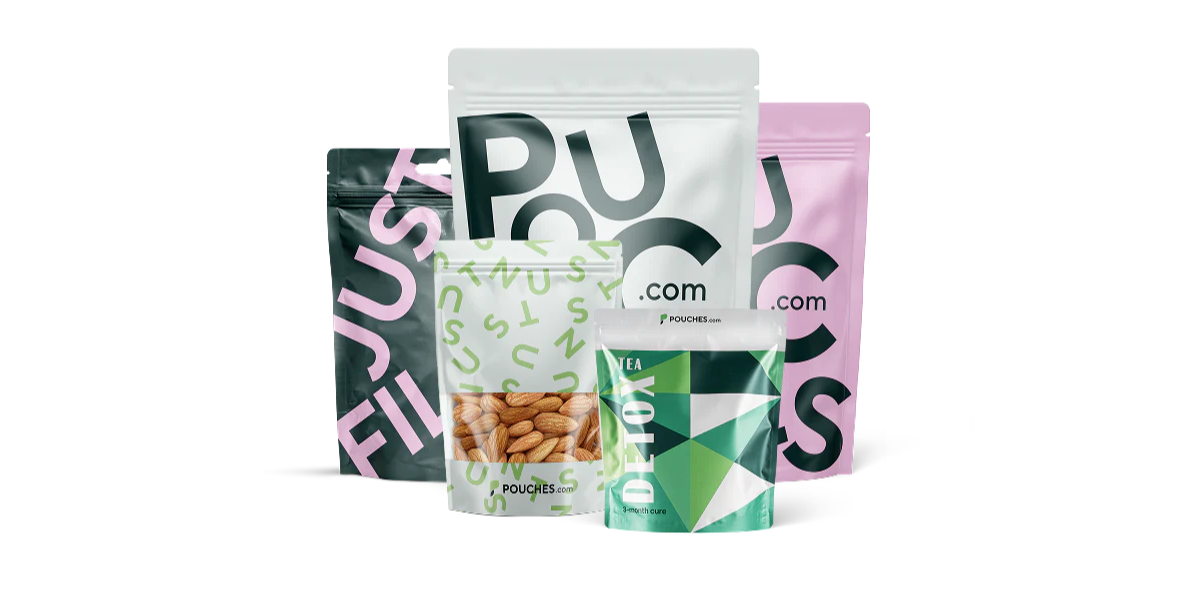
One of the most important advantages of stand-up pouches is their excellent balance between functionality and efficiency. Unlike flat bags, stand-up pouches feature a bottom gusset that allows them to remain upright, improving both shelf presentation and storage convenience.
From a logistics perspective, stand-up pouches are lightweight and space-efficient. Compared with rigid containers, they significantly reduce transportation costs, fuel consumption, and warehouse space requirements. This makes them especially attractive for brands operating at scale or selling through e-commerce channels.
Stand-up pouches also offer outstanding design flexibility. They provide a large printable surface area that supports high-quality graphics, bold branding, and detailed product information. This visual impact plays a critical role in influencing purchasing decisions at the point of sale.
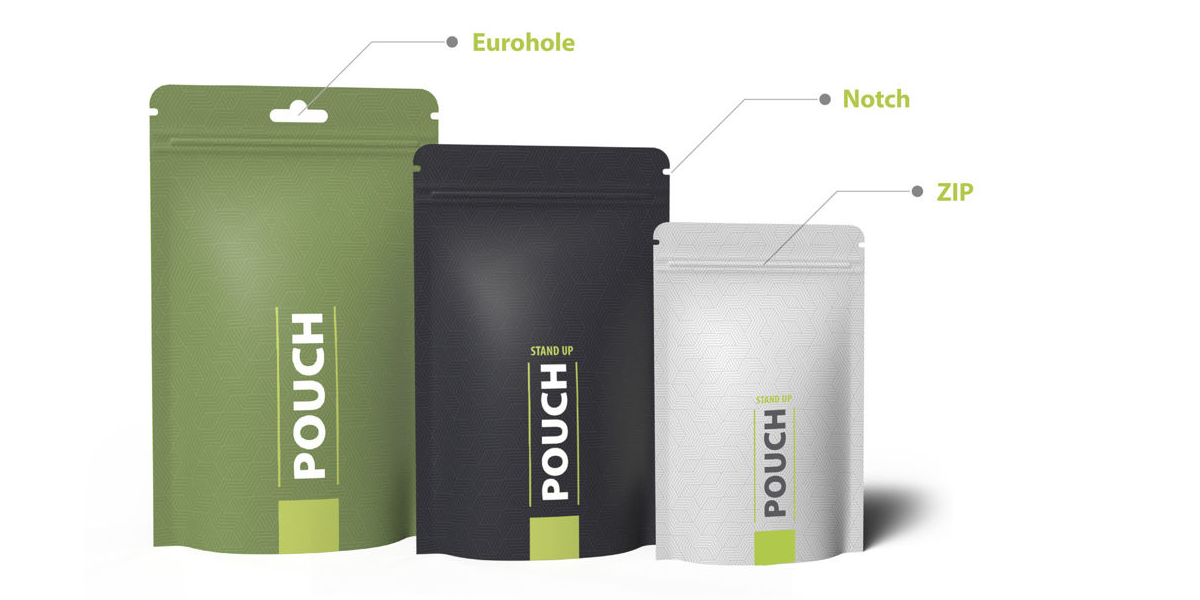
In addition, modern stand-up pouches can be equipped with various functional features such as resealable zippers, tear notches, spouts, and valves. These features improve user experience by enhancing convenience, freshness retention, and product usability.
What are some common types of stand-up pouches?
Stand-up pouches are available in multiple structural designs to meet different product needs.
The standard stand-up pouch with a bottom gusset is the most common type and is widely used for snacks, coffee, dried fruits, and powders. It provides good stability and efficient use of shelf space.
Flat bottom stand-up pouches (sometimes called box pouches) offer a more rigid, box-like appearance with multiple panels for branding. They are often used for premium products such as specialty coffee and pet food.
Spout stand-up pouches are designed for liquids and semi-liquids, including beverages, sauces, baby food, and detergents. The spout enables controlled pouring and reduces product waste.
Zipper stand-up pouches are ideal for products that are consumed over time, such as nuts, cereals, and pet treats. The resealable closure helps maintain freshness and improves consumer convenience.
What are the typical materials used for stand-up pouches?
Stand-up pouches are typically made from multi-layer laminated materials, each layer serving a specific function.
Common outer layers include PET, BOPP, or kraft paper, which provide strength, printability, and visual appeal. The middle barrier layers often consist of aluminum foil, metallized films, or EVOH, which protect the product from oxygen, moisture, and light. The inner sealant layer is usually PE or CPP, ensuring strong heat sealing and food safety.
This layered structure allows stand-up pouches to achieve excellent barrier performance while remaining thin and lightweight. Material combinations can be customized depending on the product’s shelf-life requirements, storage conditions, and sustainability goals.
With growing environmental awareness, many brands are now exploring recyclable mono-material stand-up pouches or bio-based alternatives to reduce environmental impact.

Why are stand-up pouches used in food packaging now?
Food packaging places particularly high demands on safety, freshness, and barrier protection, all of which stand-up pouches can effectively deliver.
Stand-up pouches help protect food from oxygen, moisture, light, and contamination—key factors that cause spoilage and quality degradation. For products such as snacks, coffee, frozen foods, sauces, and pet food, maintaining freshness is critical to brand reputation and consumer satisfaction.
The resealable features commonly integrated into stand-up pouches allow consumers to open and close the package multiple times without compromising product quality. This aligns well with modern eating habits, where food is often consumed in portions rather than all at once.
In addition, stand-up pouches are compatible with advanced processing methods such as retort sterilization and hot filling, making them suitable for ready-to-eat and shelf-stable food products.

Why are stand-up pouches becoming increasingly popular?
The growing popularity of stand-up pouches is driven by a combination of market trends, consumer preferences, and technological progress.
From a sustainability perspective, stand-up pouches use significantly less material than rigid packaging, resulting in lower carbon emissions during production and transportation. This aligns with global efforts to reduce packaging waste and environmental impact.
From a branding standpoint, stand-up pouches offer unmatched flexibility in design and customization. They allow brands to quickly respond to market trends, launch limited editions, and differentiate products on crowded shelves.
Consumer lifestyles have also changed. Today’s consumers value packaging that is easy to carry, easy to store, and easy to use. Stand-up pouches meet these expectations better than many traditional packaging formats.
Finally, continuous innovation in materials and recycling technologies is making stand-up pouches more sustainable and future-ready, further accelerating their adoption across industries.
FAQ
Are stand-up pouches more eco-friendly than rigid packaging?
In many cases, yes. They typically use less material and reduce transportation emissions, though recyclability depends on material structure.
Can stand-up pouches be used for liquids?
Yes, spout stand-up pouches are widely used for liquids and semi-liquids.
Are stand-up pouches safe for food?
When made with food-grade materials and proper barrier layers, they are fully safe for food packaging.
Do stand-up pouches have a shorter shelf life than cans?
Not necessarily. With the right material structure, stand-up pouches can achieve comparable shelf life.
Conclusion
Stand-up pouches have become popular because they successfully address the evolving needs of both brands and consumers. They combine strong barrier protection, cost efficiency, sustainability advantages, and outstanding shelf appeal into a single packaging solution. As materials and recycling technologies continue to improve, stand-up pouches are expected to play an even more dominant role in modern packaging, especially in the food and consumer goods sectors.