Why Can Some Plastic Packaging Be Boiled At High Temperatures?
Anna_Yu
Why Can Some Plastic Packaging Be Boiled At High Temperatures?
In recent years, consumers have increasingly encountered food packaging that can be boiled, steamed, or sterilized at very high temperatures without melting, leaking, or releasing harmful substances. From ready-to-eat meals and soups to pet food and baby food, high-temperature plastic packaging has quietly become a backbone of modern food distribution. This capability may seem counterintuitive—after all, plastic is often associated with melting or deformation under heat.
The reason some plastic packaging can withstand extreme temperatures lies in material science, multilayer structures, and advanced manufacturing technologies. High-temperature retort pouches are designed not only to survive boiling water and pressurized sterilization but also to protect food quality, flavor, and safety over long shelf lives. As food processing evolves toward convenience, safety, and sustainability, these packaging solutions are becoming more important than ever.
This article explains what high-temperature retort pouches are, why they are growing in popularity, how they remain food-safe under extreme conditions, which materials make this possible, and what future trends are shaping this specialized segment of flexible packaging.
1. What are high-temperature retort pouches?
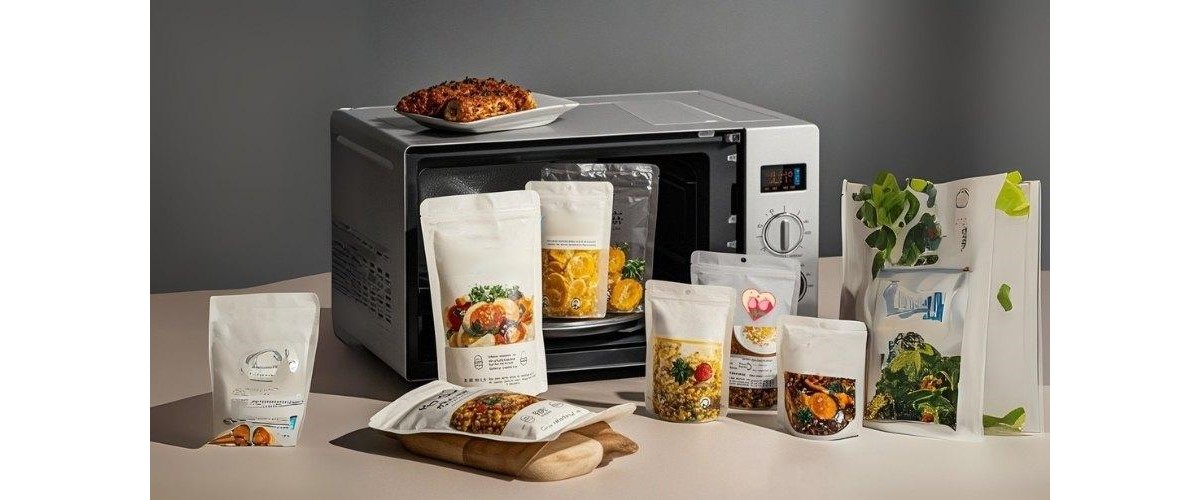
High-temperature retort pouches are flexible packaging bags designed to withstand thermal processing, typically ranging from 110°C to 135°C during boiling, steaming, or pressurized retort sterilization. Unlike ordinary plastic bags, these pouches are engineered to maintain structural integrity, seal strength, and barrier performance under intense heat and pressure.
They are commonly used for foods that require commercial sterilization, such as ready meals, sauces, soups, baby food, seafood, and pet food. During the retort process, both the food and the packaging are heated together to eliminate harmful microorganisms, achieving shelf stability without refrigeration.
Structurally, retort pouches are usually made from multiple laminated layers, each serving a specific function—heat resistance, oxygen and moisture barrier, mechanical strength, and food-contact safety. This layered design is what allows the pouch to behave more like a heat-resistant container than a typical plastic bag.
2. Why are they becoming increasingly popular in the food industry?
High-temperature retort pouches are gaining popularity because they align perfectly with modern food consumption and distribution trends.
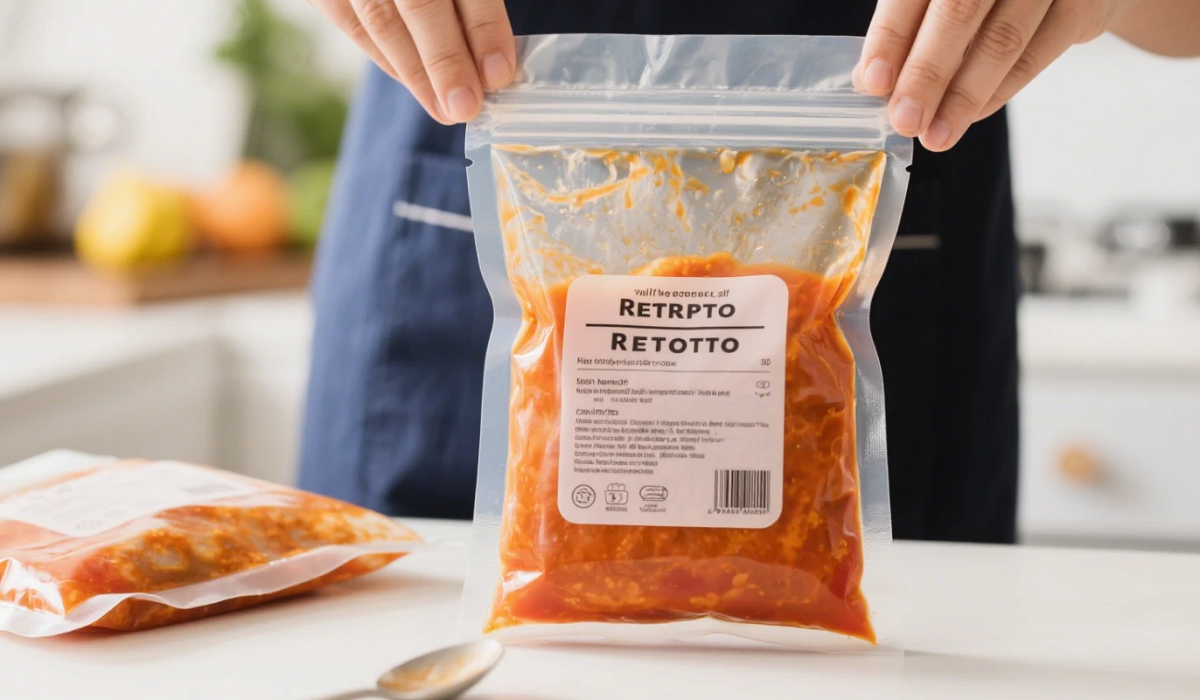
First, they support the growth of ready-to-eat and ready-to-heat foods. Busy lifestyles, urbanization, and e-commerce have increased demand for meals that are safe, shelf-stable, and easy to prepare. Retort pouches allow food to be heated directly in boiling water without transferring contents to another container.
Second, they offer logistical and economic advantages. Compared to metal cans or glass jars, retort pouches are lighter, take up less space, and reduce transportation costs. Their flat shape improves pallet efficiency and lowers carbon emissions during shipping.
Third, retort pouches enhance product quality. Faster heat penetration during sterilization helps preserve texture, flavor, and nutritional value better than traditional rigid packaging. This is particularly important for premium foods, pet nutrition, and specialized diets.
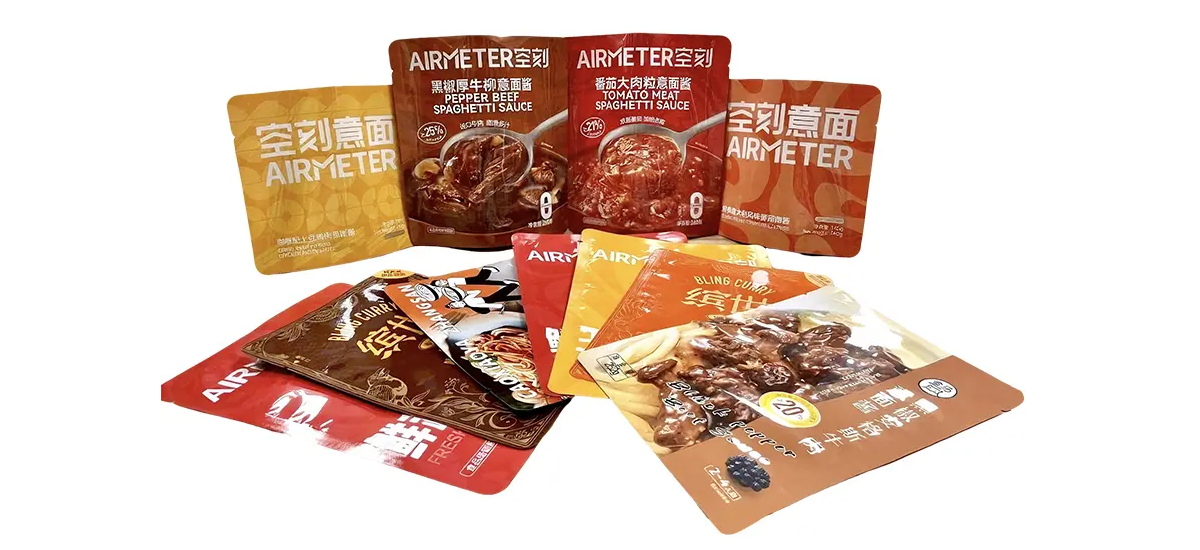
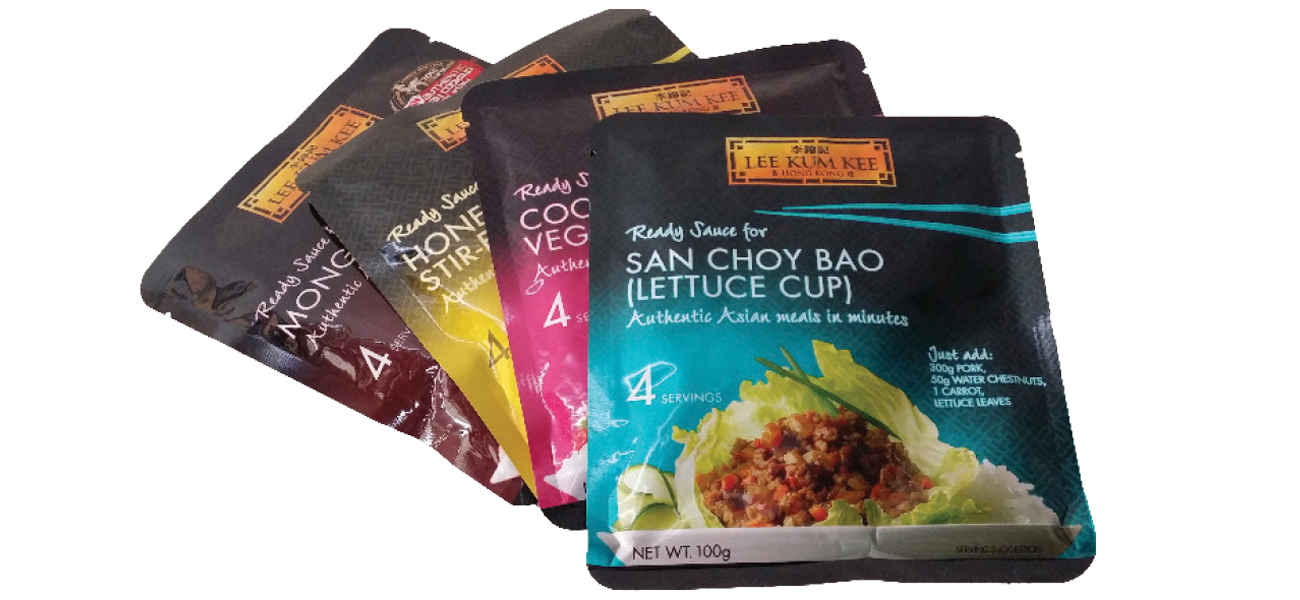
Finally, branding flexibility plays a role. Retort pouches provide large printable surfaces, allowing brands to create eye-catching designs and communicate product value effectively at retail.
3. Are they safe for food?
Yes—high-temperature retort pouches are safe for food when properly designed and manufactured. Food safety is a core requirement in their development.
The materials used in retort pouches must comply with strict food-contact regulations, such as FDA, EU, or other international standards. These materials are tested to ensure they do not release harmful substances when exposed to heat, moisture, or acidic food contents.
Seal integrity is another critical factor. Retort pouches are engineered to maintain strong seals even under pressure and thermal expansion, preventing leakage or contamination during processing and storage.
In addition, retort packaging undergoes extensive validation, including heat resistance testing, migration testing, and shelf-life studies. When produced by qualified manufacturers and used as intended, retort pouches provide a safe, reliable, and hygienic packaging solution for high-temperature food processing.
4. What materials give them the property of high temperature resistance?
The ability to withstand boiling and sterilization comes from carefully selected multilayer materials, each contributing specific performance characteristics.
Common materials include PET (polyester) for mechanical strength and dimensional stability, nylon (PA) for puncture resistance and flexibility, aluminum foil for superior oxygen and light barrier properties, and CPP (cast polypropylene) as the inner heat-sealable, food-contact layer.
CPP plays a particularly important role because it maintains seal strength and flexibility at high temperatures. In some structures, aluminum foil is replaced or supplemented with high-barrier films to balance recyclability and performance.
The lamination process bonds these layers together using heat-resistant adhesives, ensuring that the pouch does not delaminate during retort processing. The result is a composite material that behaves very differently from single-layer plastic films.
5. What are the future trends for high-temperature retort pouches?
The future of high-temperature retort pouches is closely tied to sustainability, material innovation, and smart packaging.
One major trend is the development of aluminum-free or mono-material retort structures that maintain heat resistance while improving recyclability. Brands and packaging suppliers are investing heavily in high-barrier polymers that can replace traditional foil layers.
Another trend is improved consumer convenience, such as easy-tear openings, spouts, and microwave-compatible designs that expand usage scenarios beyond boiling water.
Digital printing and customization are also becoming more common, allowing short production runs, regional variations, and faster product launches.
Finally, as food safety regulations and global distribution requirements become more stringent, retort pouches will continue to evolve toward higher performance standards, supporting longer shelf life with minimal environmental impact.
FAQ
Can all plastic packaging be boiled?
No. Only specially designed high-temperature retort packaging can safely withstand boiling and sterilization.
Are retort pouches better than cans?
In many cases, yes. They are lighter, more space-efficient, and often preserve food quality better.
Do retort pouches contain BPA?
Properly manufactured retort pouches use food-safe materials and adhesives that comply with regulatory standards.
Can retort pouches be microwaved?
Some can, but this depends on the specific material structure and manufacturer guidelines.
Conclusion
High-temperature retort pouches demonstrate how advanced material engineering can transform plastic packaging into a safe, durable, and high-performance food container. Their ability to withstand boiling and sterilization has made them indispensable in modern food systems, supporting convenience, safety, and efficiency. As materials continue to evolve and sustainability becomes a stronger focus, retort pouches will remain a key solution for high-temperature food packaging worldwide.