Why Choose Aluminum Foil Pouches for Pet Packaging?
Anna_Yu
Why Choose Aluminum Foil Pouches for Pet Packaging?
The global pet food and pet care market has evolved rapidly in recent years, driven by premiumization, humanization of pets, and rising consumer expectations for quality and safety. Pet owners today treat pets as family members, which means pet food, treats, and supplements are expected to meet standards similar to human food. In this context, packaging plays a critical role—not only in protecting product quality, but also in shaping brand trust, shelf appeal, and purchasing decisions.
Among the many flexible packaging solutions available, aluminum foil pouches have become one of the most reliable and widely used options for pet packaging. Whether for dry pet food, wet food, freeze-dried products, treats, or nutritional supplements, aluminum foil pouches offer unmatched protection against oxygen, moisture, light, and contamination. These properties are essential for maintaining freshness, nutritional value, and safety throughout storage, transportation, and retail display.
However, choosing aluminum foil pouches is not simply about following industry trends. Pet brands, manufacturers, and exporters must understand how aluminum foil structures work, what performance advantages they offer, and which pet products benefit most from this packaging format. This article provides a comprehensive, industry-focused guide explaining why aluminum foil pouches are widely chosen for pet packaging, how they protect pet food quality, and what benefits they deliver for modern pet brands.
1. What Are Aluminum Foil Pouches and Why Are They Used in Pet Packaging?
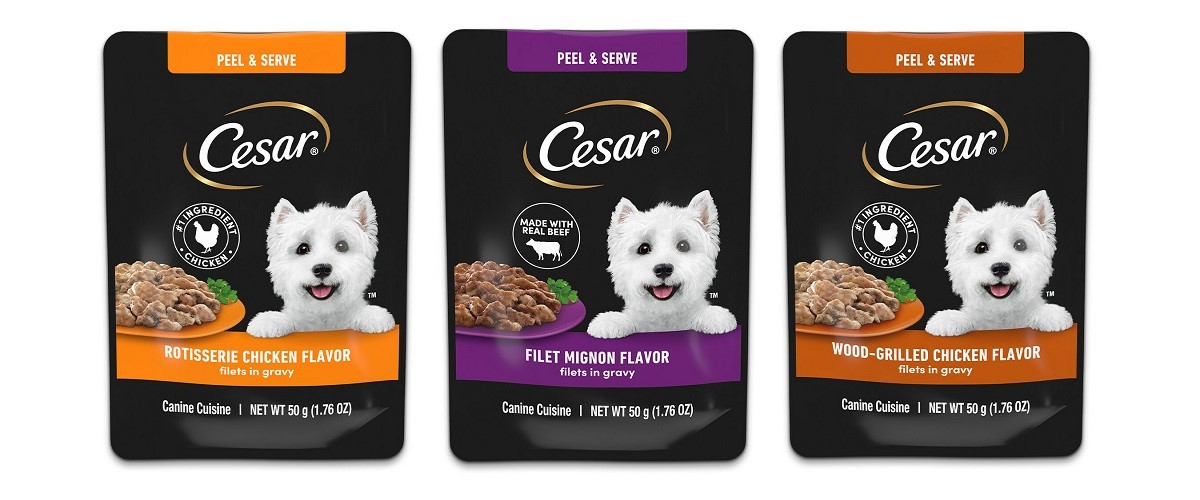
Aluminum foil pouches are a type of multi-layer flexible packaging that incorporates an aluminum foil layer within a laminated structure. This foil layer acts as a near-perfect barrier against external environmental factors.
Structure of Aluminum Foil Pouches
A typical aluminum foil pouch structure may include:
- PET (Polyester): Strength, heat resistance, and high-quality printing
- Aluminum Foil (AL): Core barrier layer for oxygen, moisture, and light
- PE or CPP: Inner food-contact sealing layer
This layered construction combines durability, sealing performance, and superior protection.
Why Aluminum Foil Is Common in Pet Packaging
Pet food products are highly sensitive to:
- Oxygen oxidation
- Moisture absorption
- Light exposure
- Aroma loss and contamination
Aluminum foil pouches effectively address all of these risks, making them a preferred choice for both mainstream and premium pet brands.
Applications in the Pet Industry
Aluminum foil pouches are widely used for:
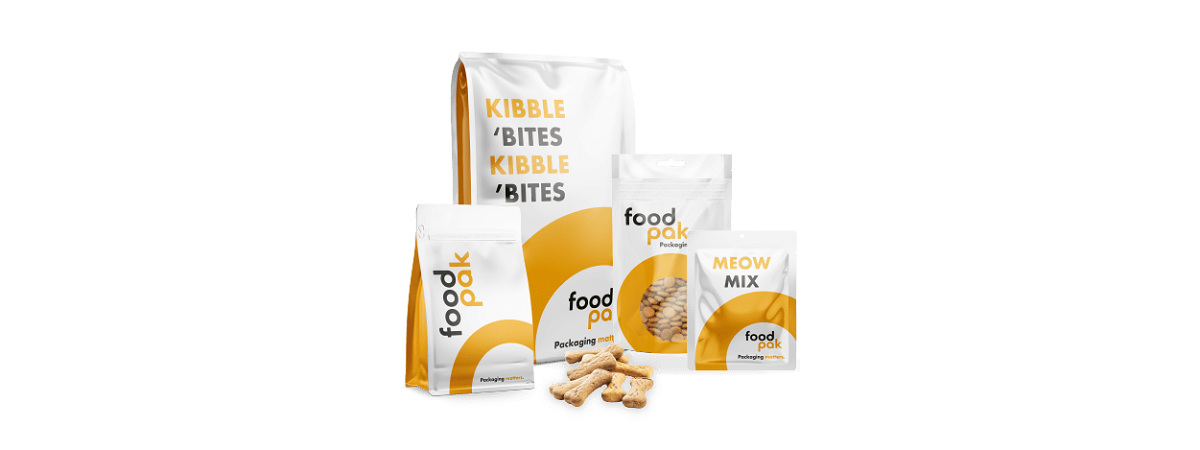
- Dry pet food and kibble
- Wet pet food and gravies
- Freeze-dried and air-dried pet products
- Pet treats and chews
- Functional pet supplements
Their versatility makes them suitable for a wide range of formulations and packaging sizes.
2. How Do Aluminum Foil Pouches Protect Pet Food Freshness and Shelf Life?
Freshness and shelf life are critical factors in pet food packaging, especially for export-oriented and premium products.
Superior Oxygen Barrier
Oxygen is one of the main causes of:
- Fat oxidation
- Nutrient degradation
- Flavor deterioration
The aluminum foil layer provides an almost zero oxygen transmission rate (OTR), significantly slowing oxidation and preserving nutritional integrity.
Excellent Moisture Resistance
Moisture exposure can lead to:
- Kibble softening
- Mold growth
- Texture and flavor changes
Aluminum foil pouches offer outstanding moisture barrier performance, helping maintain product stability even in humid climates.
Light Protection
Many pet foods contain sensitive ingredients such as:
- Animal proteins
- Vitamins and minerals
- Natural fats and oils
Aluminum foil blocks light completely, preventing UV-induced degradation and extending shelf life.
Aroma and Flavor Retention
Pet food has strong aromas that can escape through low-barrier packaging. Aluminum foil pouches effectively lock in aroma while preventing external odors from contaminating the product.
3. What Barrier Properties Make Aluminum Foil Pouches Ideal for Pet Products?
The performance of aluminum foil pouches is defined by their exceptional barrier properties.
Near-Zero Gas Transmission
Aluminum foil offers:
- Extremely low OTR (oxygen transmission rate)
- Extremely low WVTR (water vapor transmission rate)
This makes it ideal for long-term storage and international shipping.
Protection Against Contamination
The foil layer acts as a strong shield against:
- External odors
- Bacteria and microorganisms
- Environmental pollutants
This is especially important for pet products positioned as natural, grain-free, or preservative-free.
Compatibility with Modified Atmosphere Packaging (MAP)
Aluminum foil pouches work well with:
- Nitrogen flushing
- Vacuum sealing
These techniques further extend shelf life and improve product stability.
Structural Strength and Durability
Multi-layer foil laminates offer excellent puncture resistance, protecting pet food from damage during transportation and handling.
4. Are Aluminum Foil Pouches Suitable for Different Types of Pet Food and Treats?
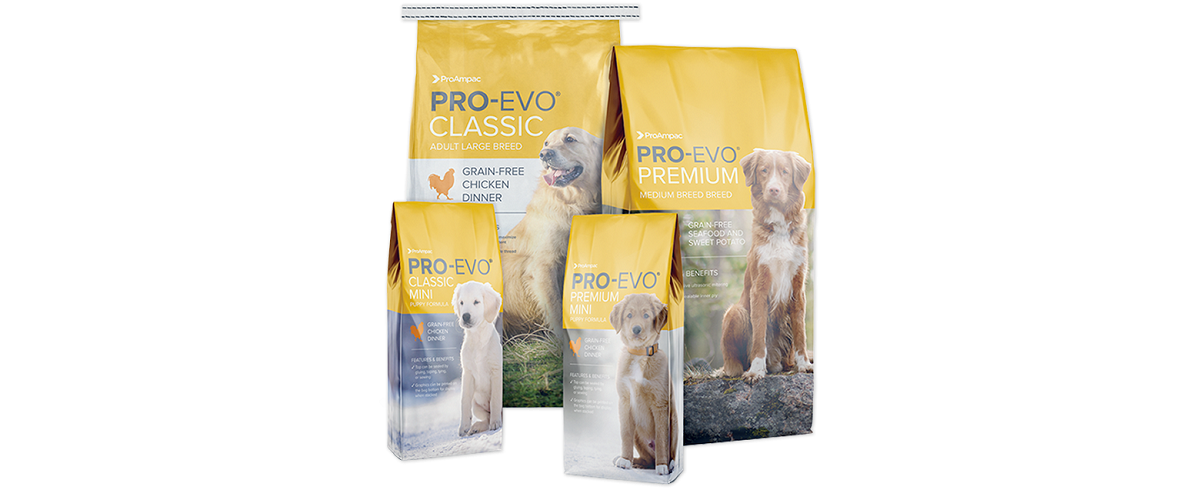
Aluminum foil pouches are highly adaptable and suitable for a wide range of pet products.
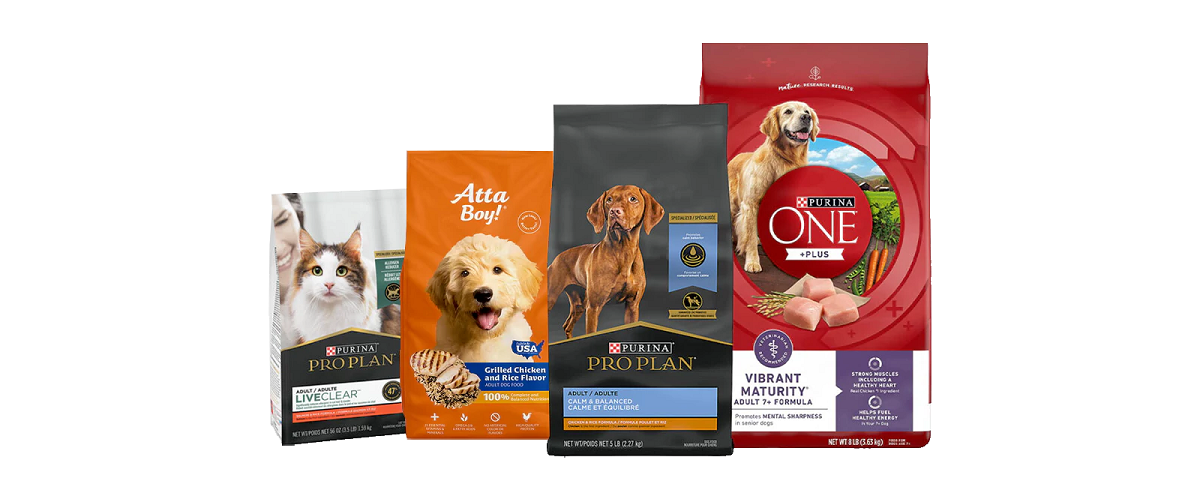
Dry Pet Food and Kibble
For dry food, foil pouches help:
- Prevent fat oxidation
- Maintain crunch and texture
- Extend shelf life to 12–24 months
They are commonly used in stand-up pouch and flat bottom bag formats.
Wet Pet Food and Retort Applications
Aluminum foil pouches can be engineered for:
- Retort processing
- High-temperature sterilization
This makes them ideal for wet food, gravies, and meat-based meals.
Freeze-Dried and Air-Dried Products
These high-value products are extremely moisture-sensitive. Aluminum foil pouches provide the necessary barrier to preserve texture and nutritional quality.
Pet Treats and Supplements
For treats and functional supplements, foil pouches help protect:
- Active ingredients
- Flavor coatings
- Product potency
Resealable options further improve usability.
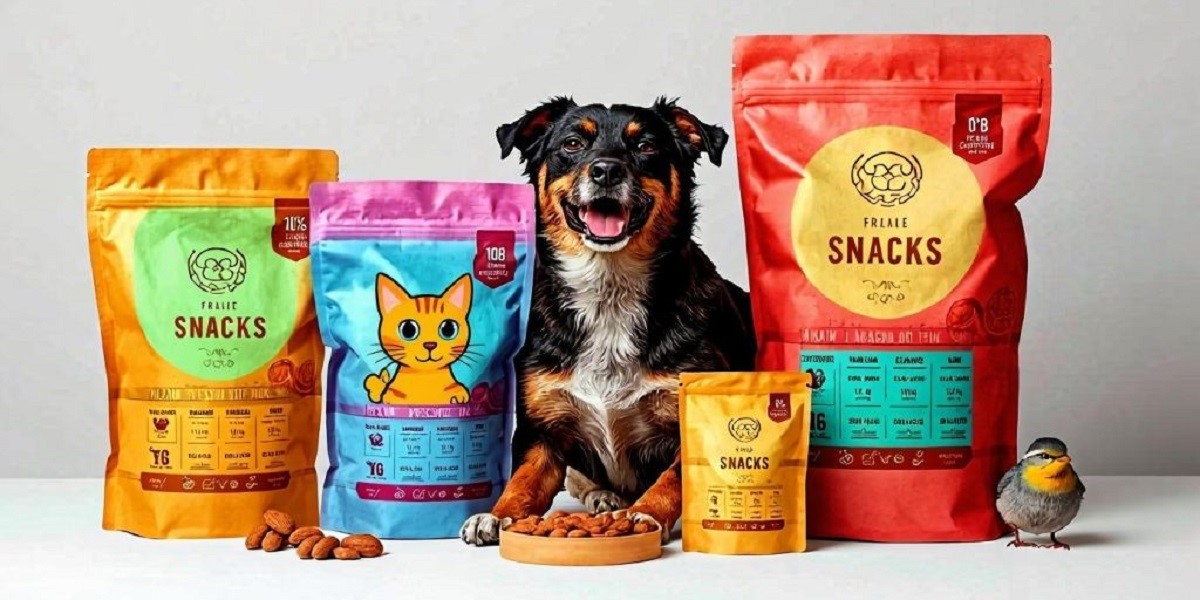
5. Key Benefits of Aluminum Foil Pouches for Pet Food Flexible Packaging
Choosing aluminum foil pouches offers both performance and commercial advantages for pet brands.
Maximum Product Protection
Aluminum foil delivers the highest level of barrier protection available in flexible packaging.
Extended Shelf Life
Foil structures enable longer shelf life without relying heavily on preservatives.
Premium Brand Perception
Foil pouches are often associated with:
- High quality
- Safety and freshness
- Premium positioning
This supports higher price points and brand trust.
Export and E-Commerce Friendly
Durable, lightweight, and space-efficient, aluminum foil pouches perform well in:
- Long-distance shipping
- Online retail fulfillment
Design Flexibility
Despite their high barrier performance, foil pouches support:
- High-quality printing
- Matte or glossy finishes
- Custom shapes and features
Allowing brands to combine performance with visual impact.
FAQ
Why is aluminum foil important in pet food packaging?
Aluminum foil provides superior protection against oxygen, moisture, and light, which are major causes of pet food spoilage.
Are aluminum foil pouches suitable for premium pet brands?
Yes. They are widely used by premium and natural pet food brands due to their high barrier and safety performance.
Can aluminum foil pouches be resealable?
Absolutely. Zippers and other resealable features are commonly added for convenience and freshness.
Are aluminum foil pouches suitable for export markets?
Yes. Their durability and barrier performance make them ideal for international shipping and long storage periods.
Conclusion
Aluminum foil pouches have become a cornerstone of modern pet food and pet product packaging. By offering unmatched barrier protection, extended shelf life, and strong durability, they help pet brands safeguard product quality while meeting rising consumer expectations for safety and freshness. For manufacturers and exporters looking to balance performance, branding, and reliability, aluminum foil pouches are not just a packaging option—they are a strategic advantage in an increasingly competitive pet market.