Why Choose Flexible Packaging for Food?
Anna_Yu
Why Choose Flexible Packaging for Food?
Flexible packaging has become one of the most influential innovations in the modern food industry. From snacks and frozen foods to coffee, sauces, and ready-to-eat meals, flexible packaging is now everywhere on supermarket shelves. This shift is not accidental. It reflects changes in consumer lifestyles, advances in material science, stricter food safety regulations, and growing brand competition.
Compared with traditional rigid packaging such as glass jars, metal cans, and paperboard boxes, flexible packaging offers superior adaptability, lighter weight, and stronger protection against external factors like moisture, oxygen, and light. At the same time, it provides brands with more creative freedom in design, printing, and functionality. Features such as resealable zippers, tear notches, spouts, and transparent windows allow packaging to serve not only as a protective container, but also as a powerful marketing tool.
As food brands face increasing pressure to improve shelf life, reduce logistics costs, and meet sustainability expectations, flexible packaging is becoming a strategic choice rather than just an alternative option. This article explores why flexible packaging is widely used in food applications, the advantages it offers, its safety standards, and how it enhances the overall image of food products in today’s competitive market.
Why use flexible packaging for food?
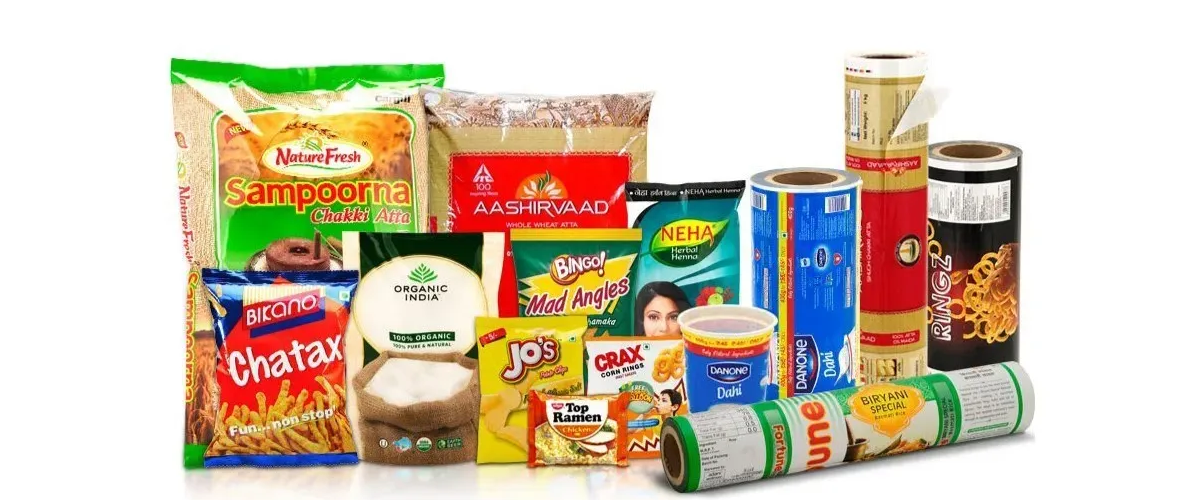
Flexible packaging is widely used in the food industry because it addresses multiple challenges at the same time: preservation, efficiency, cost control, and consumer convenience.
One of the primary reasons for using flexible packaging is its excellent barrier performance. Multi-layer laminated structures can effectively block oxygen, moisture, grease, and light, all of which are major causes of food spoilage. This helps extend shelf life without relying heavily on preservatives.
Another reason is versatility. Flexible packaging can be adapted to different food forms, including solids, powders, liquids, and semi-liquids. Whether it is a stand-up pouch for snacks, a vacuum bag for meat, or a retort pouch for ready meals, flexible packaging can be tailored to specific product needs.
From a commercial perspective, flexible packaging supports high-speed automated filling, which improves production efficiency. It also reduces packaging weight and storage space, helping manufacturers lower transportation and warehousing costs.
What are the advantages and benefits of flexible packaging for food?
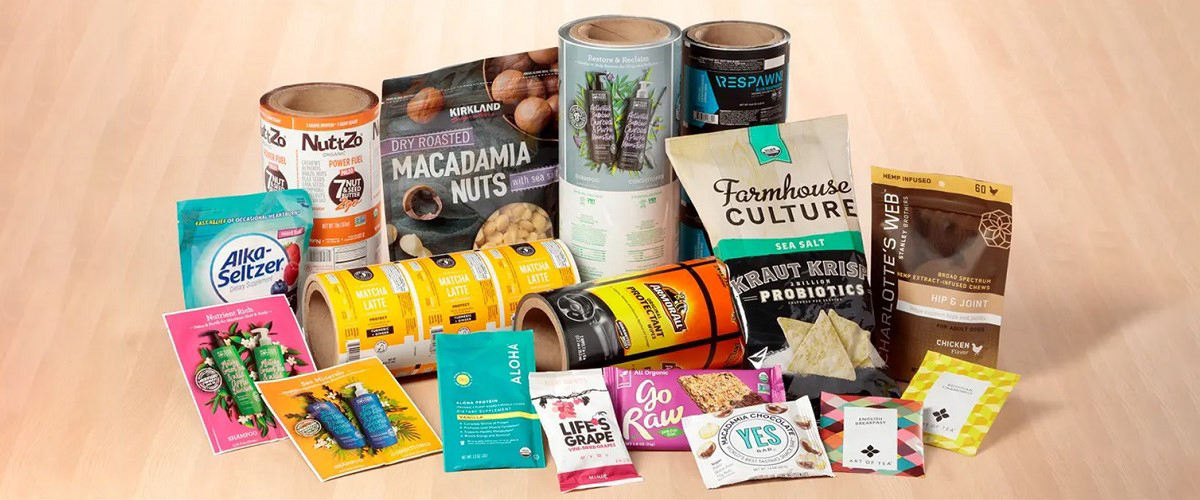
Flexible packaging offers a wide range of advantages that benefit both food manufacturers and consumers.
Superior protection and freshness
Multi-layer flexible packaging structures provide strong resistance to:
- Oxygen
- Moisture
- Light
- Odors
This protection helps maintain food flavor, texture, and nutritional value for longer periods.
Cost efficiency
Compared with rigid packaging, flexible packaging:
- Uses less raw material
- Reduces transportation costs due to lighter weight
- Requires less storage space
These factors significantly reduce overall packaging and logistics expenses.
Consumer convenience
Flexible packaging can include features such as:
- Resealable zippers
- Easy-tear notches
- Microwave-safe materials
- Portable, lightweight formats
These features improve the user experience and align with modern, fast-paced lifestyles.
Sustainability potential
Many flexible packaging solutions now use:
- Mono-material structures
- Reduced material thickness
- Recyclable or bio-based films
This helps brands move toward more sustainable packaging solutions.

Is flexible packaging safe for food?
Food safety is a critical concern, and flexible packaging is designed to meet strict international standards.
Flexible food packaging materials are typically produced using food-grade resins and adhesives that comply with regulations such as FDA, EU, and other global food safety standards. These materials are tested to ensure they do not release harmful substances into food under normal storage and usage conditions.
In addition, flexible packaging often supports advanced food safety technologies such as:
- Vacuum sealing
- Modified atmosphere packaging (MAP)
- Retort sterilization
These processes help prevent microbial growth and contamination, making flexible packaging suitable for both fresh and long-shelf-life food products.
When properly designed and manufactured, flexible packaging is not only safe but often safer than traditional packaging due to its superior sealing and barrier properties.
How does flexible packaging enhance the image of food?
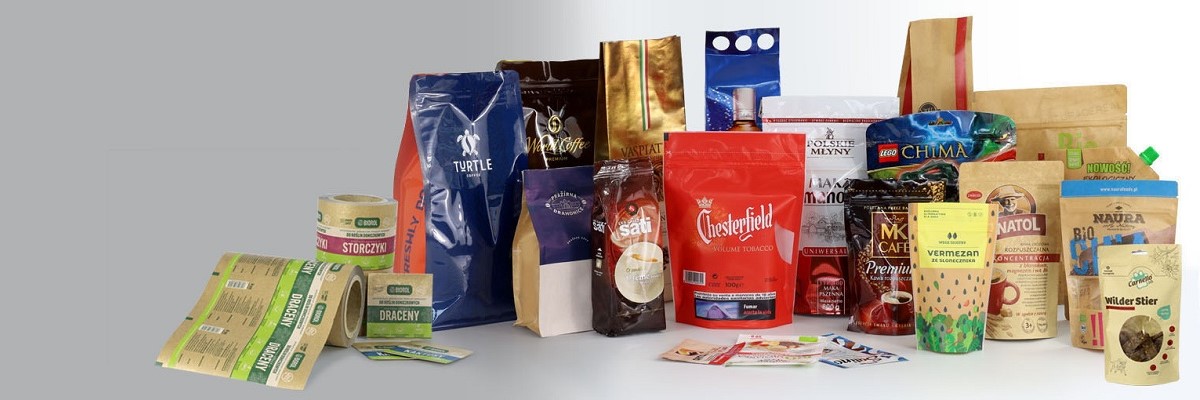
Flexible packaging plays a significant role in shaping consumer perception and brand identity.
Visual appeal
High-quality gravure or digital printing allows for:
- Vibrant colors
- High-resolution graphics
- Matte or glossy finishes
This helps products stand out on crowded shelves and attract attention.
Brand storytelling
Flexible packaging provides more surface area for:
- Brand messaging
- Nutritional information
- Sustainability claims
- Usage instructions
This helps brands communicate value and build trust with consumers.
Premium positioning
Advanced finishes such as:
- Soft-touch coatings
- Embossing
- Metallic effects
Enable flexible packaging to deliver a premium look that enhances perceived product quality.
Transparency and trust
Windowed flexible packaging allows consumers to see the product inside, increasing confidence and reducing purchase hesitation.
FAQ
Is flexible packaging suitable for all types of food?
Yes, flexible packaging can be customized for dry, frozen, liquid, and ready-to-eat foods.
Does flexible packaging really extend shelf life?
Yes, its strong barrier properties significantly slow down oxidation and moisture absorption.
Can flexible packaging be environmentally friendly?
Modern flexible packaging increasingly uses recyclable and reduced-material structures.
Is flexible packaging more cost-effective than rigid packaging?
In most cases, yes, especially when considering transportation and storage savings.
Conclusion
Flexible packaging has become a cornerstone of modern food packaging due to its ability to combine protection, efficiency, safety, and visual appeal in one solution. It helps preserve food quality, reduces operational costs, meets food safety requirements, and enhances brand image on the shelf. As materials and technologies continue to evolve, flexible packaging will play an even more important role in shaping the future of the food industry. For food brands looking to remain competitive, adaptable, and consumer-focused, choosing flexible packaging is not just a trend—it is a strategic necessity.