Why Flexible Packaging Is So Important for Ice Cream
Anna_Yu
Why Flexible Packaging Is So Important for Ice Cream
Ice cream is a delicate frozen product that requires precise handling and packaging to maintain its quality, texture, and flavor. Unlike many other food products, ice cream is highly sensitive to temperature fluctuations, moisture loss, and oxygen exposure. Even minor packaging failures can result in freezer burn, ice crystal formation, flavor degradation, or leakage—ultimately affecting consumer satisfaction and brand reputation.
As the global frozen dessert market continues to expand, manufacturers are under increasing pressure to deliver products that not only taste great but also maintain their quality throughout storage, transportation, and retail display. This is where flexible packaging plays a critical role. With its ability to combine strong barrier protection, durability, and lightweight efficiency, flexible packaging has become a preferred solution for ice cream brands worldwide.
In addition to protecting product integrity, flexible packaging supports innovative designs, enhances convenience, and improves logistics efficiency. From single-serve ice cream bars to multi-pack frozen treats, flexible packaging offers versatile solutions that meet both functional and marketing needs.
This article explores why flexible packaging is essential for ice cream products, how it performs under frozen conditions, which materials provide the best protection, and what features help preserve texture and flavor.
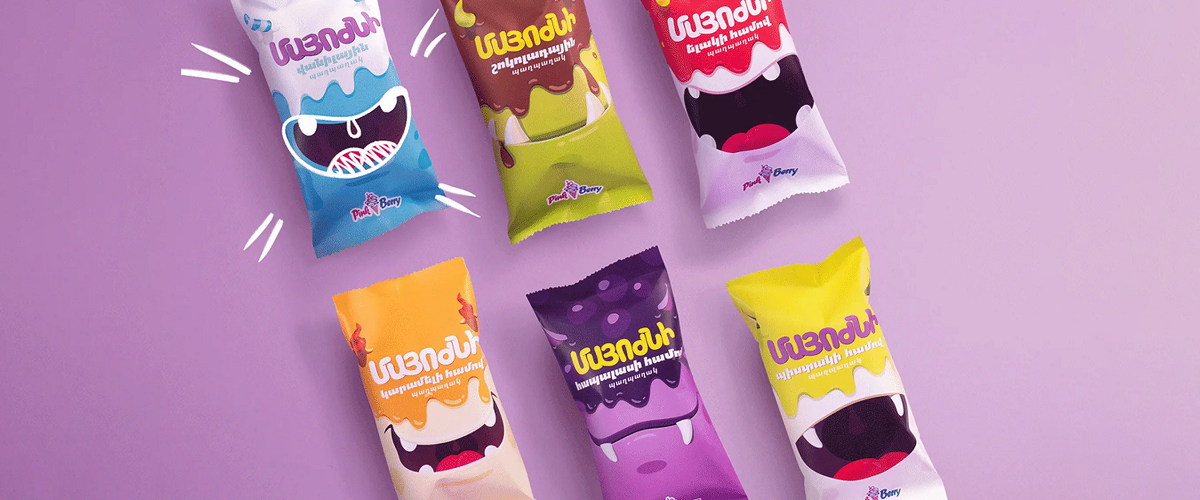
1. Why Is Flexible Packaging Essential for Ice Cream Products?
Flexible packaging addresses the unique challenges of frozen dessert products.
Protection from Environmental Factors
Ice cream must be protected from:
- Oxygen exposure
- Moisture loss
- Light
Flexible packaging provides effective barrier layers that minimize these risks.
Maintaining Product Integrity
Proper packaging ensures that ice cream retains its:
- Shape
- Texture
- Flavor
throughout the supply chain.
Cost and Logistics Efficiency
Flexible packaging is lightweight and space-saving, reducing:
- Transportation costs
- Storage requirements
Versatility Across Product Types
Flexible packaging can be adapted for:
- Ice cream bars
- Sandwiches
- Bulk frozen desserts
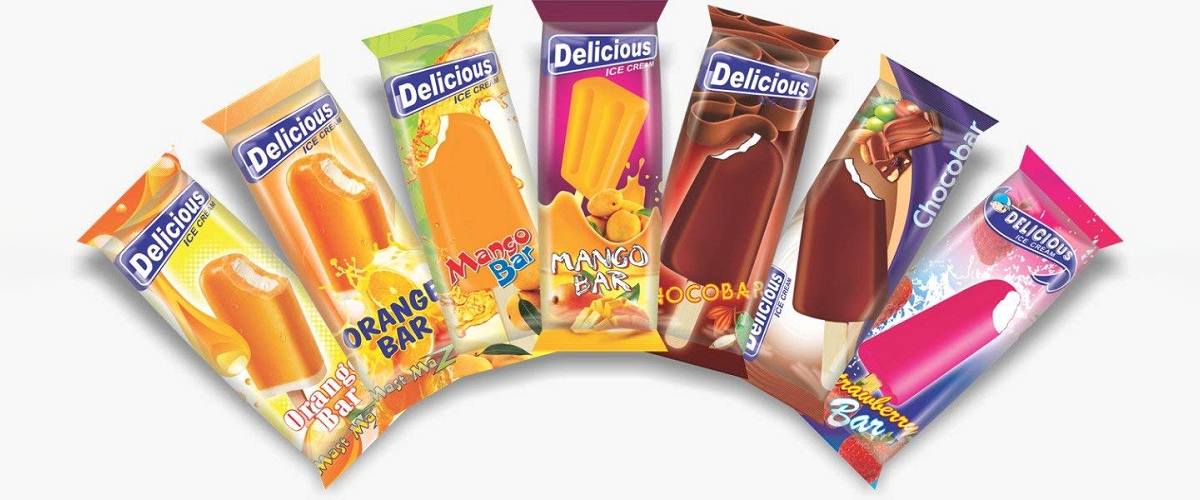
2. How Does Flexible Packaging Protect Ice Cream Quality in Frozen Conditions?
Ice cream packaging must perform reliably under low temperatures.
Cold Flexibility
High-quality flexible materials remain flexible even at freezing temperatures, preventing cracking or damage.
Seal Strength
Strong heat seals ensure that packaging remains intact during:
- Freezing
- Handling
- Transportation
Resistance to Temperature Fluctuations
Flexible packaging helps maintain product stability during changes in temperature across the cold chain.
Moisture Control
Proper packaging reduces moisture migration, which helps prevent ice crystal formation.
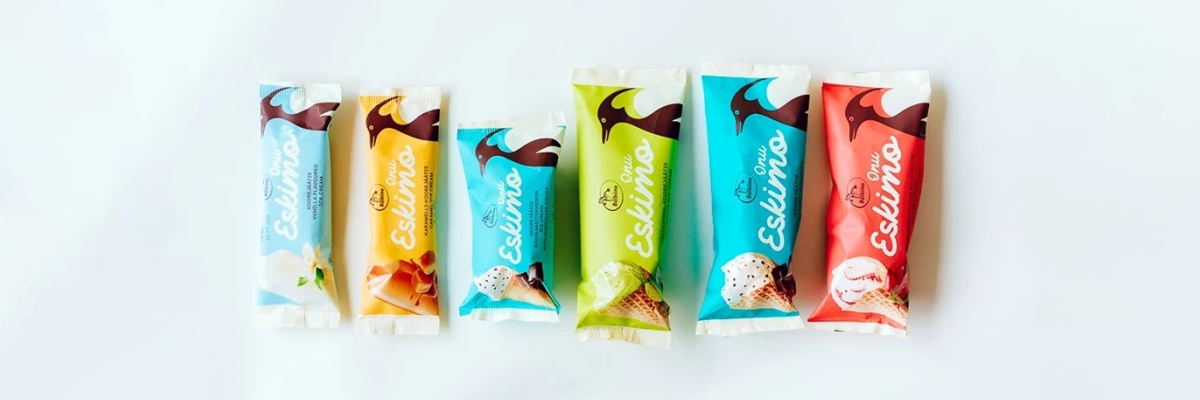
3. Which Materials Are Best for Preventing Freezer Burn and Moisture Loss?
Material selection is critical for maintaining ice cream quality.
BOPP (Biaxially Oriented Polypropylene)
- Good moisture resistance
- Excellent printability
- Cost-effective
PET (Polyethylene Terephthalate)
- Strong and durable
- Good temperature resistance
- Suitable for high-quality printing
PE (Polyethylene)
- Excellent sealing properties
- Flexible at low temperatures
- Common inner layer
Aluminum Foil
- Superior barrier against oxygen and light
- Ideal for premium products
- Helps prevent freezer burn
Metallized Films
- Enhanced barrier performance
- Lower cost than full aluminum foil
- Good balance of protection and flexibility
Typical Material Structures
| Structure | Features | Applications |
|---|---|---|
| BOPP/PE | Basic protection, cost-effective | Standard ice cream |
| PET/PE | Strong and reliable | Frozen desserts |
| PET/MPET/PE | Enhanced barrier | Mid-range products |
| PET/AL/PE | Maximum protection | Premium ice cream |
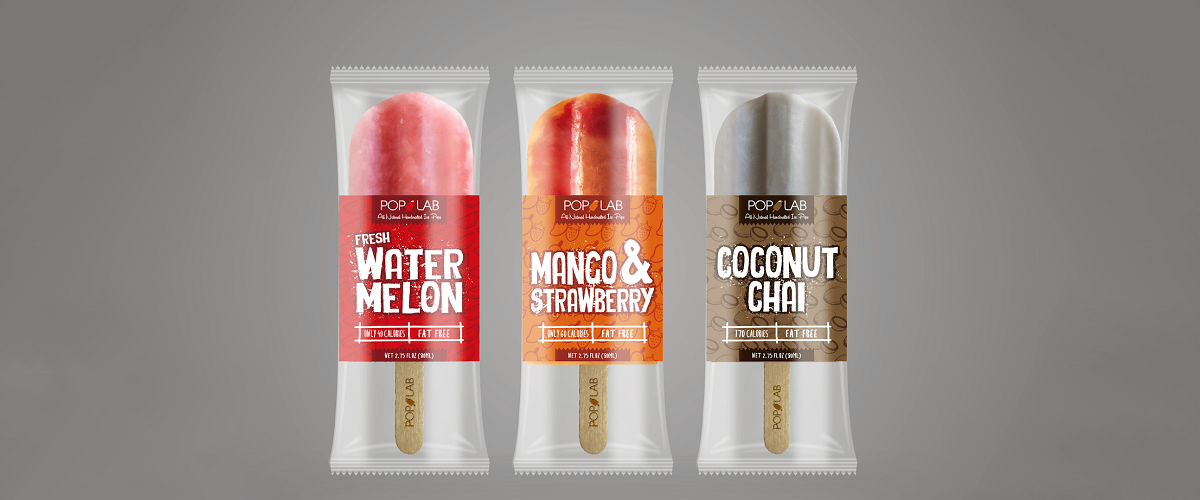
4. What Packaging Features Help Maintain Ice Cream Texture and Flavor?
Functional design features are essential for product performance.
Airtight Sealing
Prevents air ingress that can cause freezer burn and flavor loss.
Moisture Barrier Layers
Help maintain proper water content, preventing ice crystal formation.
Easy-Open Design
Tear notches or peelable seals improve user convenience without compromising protection.
Resealable Options
Useful for multi-serve products to maintain freshness after opening.
Anti-Stick Inner Layers
Prevent ice cream from sticking to the packaging, improving user experience.
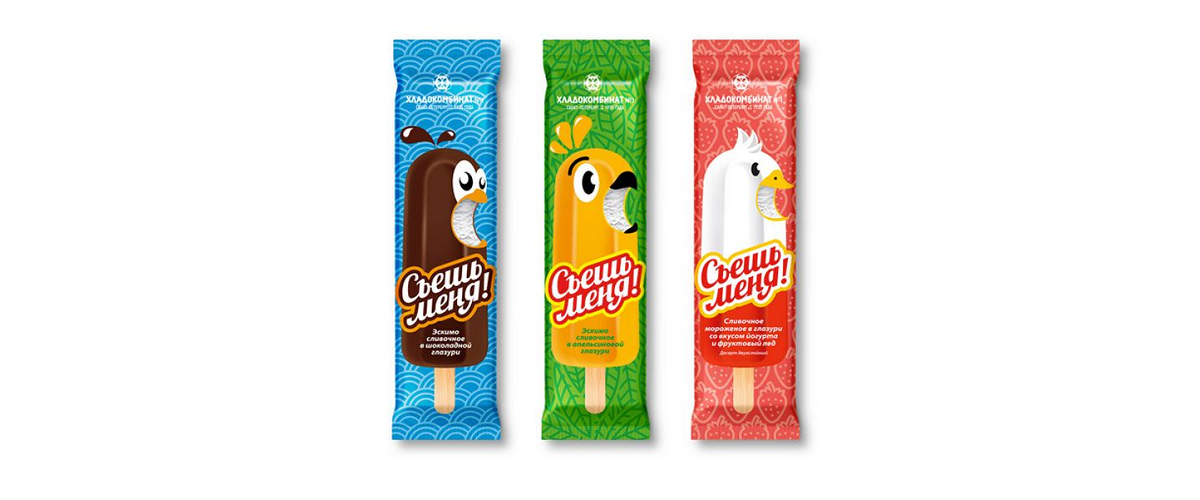
5. Flexible Packaging for Ice Cream: Key Benefits for Storage, Distribution, and Branding
Flexible packaging provides advantages throughout the product lifecycle.
Efficient Cold Chain Management
Lightweight packaging reduces energy and transportation costs in refrigerated logistics.
Space Optimization
Flexible packaging allows better utilization of freezer space in storage and retail environments.
Strong Branding Opportunities
High-quality printing and creative designs help products stand out in crowded freezer displays.
Sustainability Advantages
Flexible packaging uses less material compared to rigid alternatives, supporting environmental goals.
Consumer Convenience
Portable, easy-to-open packaging enhances the overall consumption experience.
FAQ
Why is flexible packaging important for ice cream?
It provides strong barrier protection, maintains product quality in frozen conditions, and improves logistics efficiency.
What causes freezer burn in ice cream?
Freezer burn occurs due to moisture loss and air exposure, which can be minimized with high-barrier packaging.
Which materials are best for ice cream packaging?
Common materials include BOPP, PET, PE, aluminum foil, and metallized films.
Can flexible packaging be used for premium ice cream products?
Yes. Advanced laminated structures and high-quality printing make it suitable for premium branding.
Conclusion
Flexible packaging plays a vital role in preserving the quality, texture, and flavor of ice cream products. Its ability to provide strong barrier protection, maintain performance in freezing conditions, and support efficient logistics makes it an essential solution for modern ice cream packaging. By selecting the right materials and incorporating key features such as airtight sealing and moisture barriers, manufacturers can effectively prevent freezer burn and ensure consistent product quality. In addition to functional benefits, flexible packaging also enhances branding opportunities and supports sustainability efforts, making it a comprehensive solution for the evolving frozen dessert market.