Why Is Creativity Important In Flexible Packaging?
Anna_Yu
Why Is Creativity Important In Flexible Packaging?
In today’s crowded marketplaces, products no longer compete on quality alone. They compete for attention, emotion, and memory. Flexible packaging has quietly transformed from a simple protective layer into a powerful communication tool—one that speaks before a salesperson ever does. When consumers walk through a supermarket aisle or scroll through an online marketplace, packaging is often the very first interaction they have with a brand.
Creativity in flexible packaging is not about being flashy for the sake of design. It is about using materials, structure, texture, and visual language to tell a story, communicate value, and create trust within seconds. Especially in food, beverage, pet food, and health-related industries, packaging must balance functionality with emotional appeal. A well-designed flexible package can suggest freshness, safety, premium quality, sustainability, or fun—sometimes all at once.
As consumer expectations rise and product lifecycles shorten, creative flexible packaging has become a strategic asset rather than a decorative afterthought. In this article, we explore why flexible packaging is often called the “first salesperson,” how materials and processes contribute to creativity, and how brands can design flexible packaging that truly stands out.

1. Why is flexible packaging considered the first salesperson?
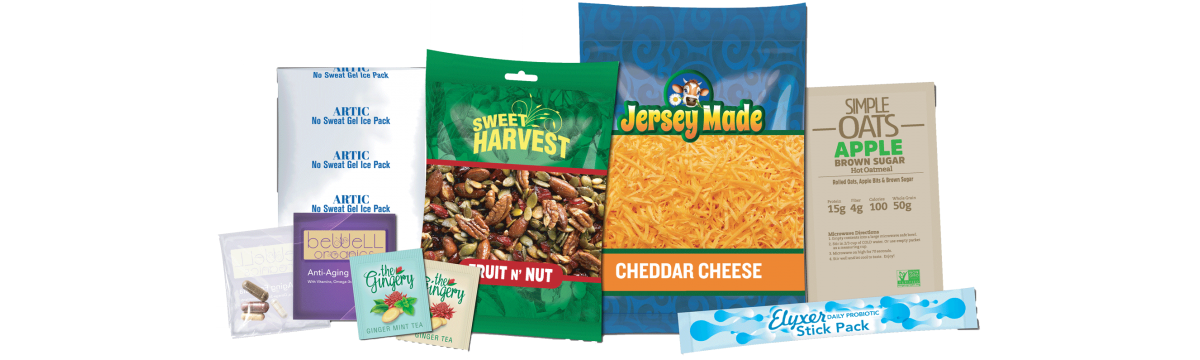
Flexible packaging is often described as the first salesperson because it communicates with consumers before any human interaction takes place. In many retail environments, especially self-service stores and e-commerce platforms, packaging is responsible for attracting attention, explaining the product, and persuading the buyer—all within a few seconds.
Unlike traditional sales conversations, packaging relies on visual cues, tactile feedback, and intuitive design. Color choices can signal flavor or function. Typography can suggest professionalism or playfulness. The shape of a pouch can imply convenience, freshness, or premium positioning. These elements work together to answer unspoken consumer questions such as: Is this product safe? Is it high quality? Is it worth my money?
Flexible packaging excels in this role because it offers a large, uninterrupted surface for storytelling. Compared to rigid packaging, it allows more freedom in layout, imagery, and finishing effects. When creativity is applied thoughtfully, flexible packaging can build trust, trigger curiosity, and encourage trial—often without the consumer realizing why they feel drawn to the product.
2. What materials can make flexible packaging more robust?
Creativity in flexible packaging starts with material selection, because materials define not only protection but also perception. Robust materials help packaging maintain its shape, protect the product, and convey reliability.
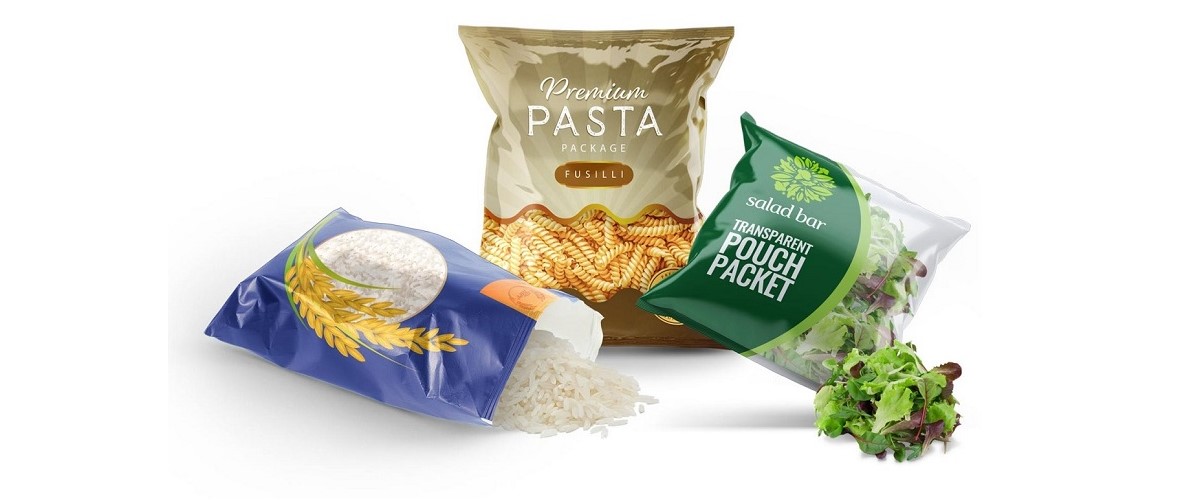
Common materials such as PET, BOPP, nylon (PA), aluminum foil, and PE are often combined into multi-layer laminations. PET and BOPP provide stiffness and excellent print surfaces, making graphics appear sharper and more vibrant. Nylon adds puncture resistance and toughness, which is especially important for products with sharp edges or heavy contents. Aluminum foil delivers superior barrier properties while also contributing to a premium, solid feel.
More robust materials allow designers to experiment with bolder structures, larger formats, and more confident visual elements. When a package feels strong and well-made in the hand, consumers subconsciously associate that physical quality with the product inside. In this way, material strength directly supports creative expression and brand credibility.
3. Which processes can make flexible packaging more textured?
Texture is a powerful yet often underestimated element of packaging creativity. The way a package feels when touched can significantly influence perceived quality and memorability.
Several processes can enhance texture in flexible packaging. Matte lamination creates a soft, smooth surface that feels modern and premium, while gloss lamination delivers shine and vibrancy that draws the eye. Spot UV coating adds contrast by highlighting specific design elements, encouraging consumers to touch the package. Embossing and debossing introduce physical depth, making logos or patterns literally stand out.
Advanced printing techniques such as digital printing also allow for fine detail and customized finishes without long setup times. When texture aligns with brand identity—whether luxurious, natural, playful, or technical—it reinforces the emotional connection between the consumer and the product.

4. How can we make flexible packaging more creative?
Making flexible packaging more creative requires a balance between function, aesthetics, and strategy. Creativity is most effective when it serves a clear purpose rather than existing purely as decoration.
One approach is to design around the user experience. Easy-open features, resealable closures, clear windows, or ergonomic shapes can all be integrated creatively while improving usability. Another approach is storytelling—using illustrations, minimalism, or bold typography to communicate brand values and product benefits clearly.
Sustainability has also become a creative driver. Using recyclable materials, reducing packaging layers, or communicating environmental responsibility through design can make packaging feel more relevant and forward-thinking. Creativity here lies not only in appearance but in the message the packaging sends.
Finally, successful creative packaging often comes from collaboration between material experts, designers, and brand strategists. When these perspectives align, flexible packaging becomes more than a container—it becomes a brand ambassador that speaks clearly, confidently, and creatively to the consumer.
FAQ
Does creative packaging really influence purchasing decisions?
Yes. Studies consistently show that packaging design strongly affects first-time purchases, especially in competitive categories.
Is creative flexible packaging more expensive?
Not necessarily. Many creative effects can be achieved through smart design choices rather than costly materials.
Can creative packaging still be functional?
Absolutely. The best creative packaging enhances usability while maintaining product protection.
Is creativity important for B2B flexible packaging?
Yes. Even in B2B markets, packaging reflects professionalism, reliability, and brand positioning.
Conclusion
Creativity in flexible packaging is no longer optional—it is a strategic necessity. As products compete for attention in increasingly crowded markets, packaging must work harder than ever to attract, inform, and persuade. Through thoughtful material selection, tactile processes, and user-centered design, flexible packaging can become a powerful storytelling tool. When creativity aligns with function and brand identity, flexible packaging truly earns its role as the first and most influential salesperson.