Why Is Flexible Packaging for Seeds So Important?
Anna_Yu
Why Is Flexible Packaging for Seeds So Important?
Seeds are living biological materials that require careful handling and proper storage conditions to maintain their viability and performance. Unlike many other agricultural or food products, seeds are highly sensitive to environmental factors such as moisture, oxygen, temperature fluctuations, and contamination. Improper packaging can lead to reduced germination rates, loss of vigor, and ultimately significant economic losses for both seed producers and farmers. As global agriculture becomes more advanced and supply chains grow more complex, the need for reliable, efficient, and protective packaging solutions has never been greater.
Flexible packaging has emerged as a preferred choice for seed storage and distribution due to its versatility, cost efficiency, and ability to incorporate advanced barrier technologies. Whether for vegetable seeds, grain seeds, or specialty agricultural products, flexible packaging offers tailored solutions that help maintain seed quality from production to planting. It enables manufacturers to design packaging structures that address specific environmental risks while also supporting branding, logistics, and regulatory compliance.
In addition to protection, modern flexible packaging provides practical benefits such as lightweight transportation, improved storage efficiency, and customizable features that enhance usability for farmers and distributors. With increasing demand for sustainable agricultural practices, flexible packaging solutions are also evolving to include recyclable materials and reduced material usage.
This article explores why packaging plays a critical role in maintaining seed quality and viability, how flexible packaging protects seeds from environmental threats, which materials are most suitable for seed packaging, and what features can help extend shelf life and improve germination performance.
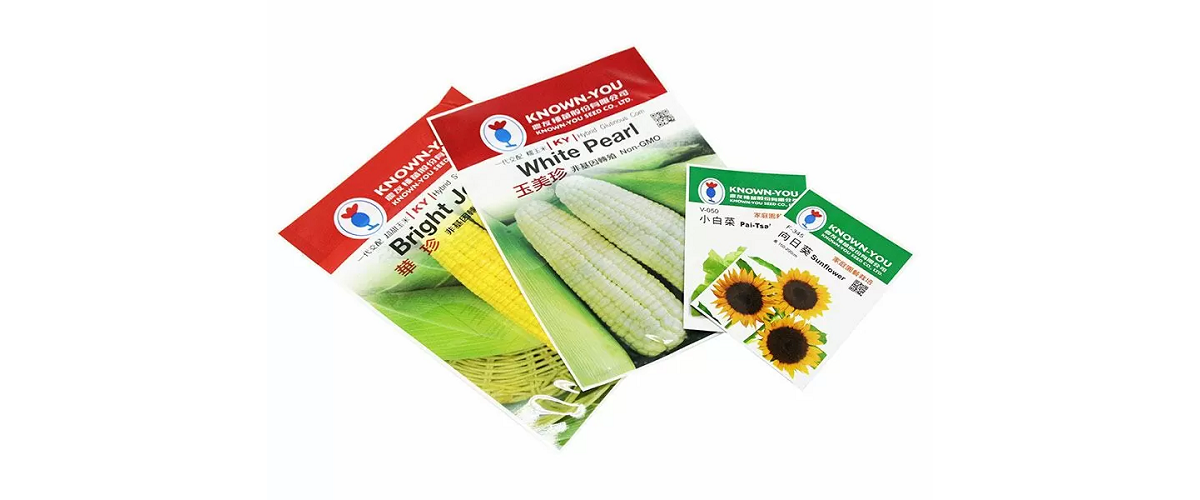
1. Why Does Packaging Play a Critical Role in Seed Quality and Viability?
Proper packaging is essential to preserving the biological integrity of seeds.
Maintaining Germination Potential
Seeds must retain their ability to germinate effectively. Poor packaging can expose seeds to unfavorable conditions that reduce their viability over time.
Protecting Against Environmental Stress
Seeds are sensitive to:
- Humidity
- Temperature changes
- Oxygen exposure
Packaging acts as a barrier that minimizes these environmental stresses.
Preventing Physical Damage
During handling and transportation, seeds may be subjected to pressure and impact. Durable packaging helps prevent mechanical damage.
Ensuring Product Consistency
Consistent packaging quality ensures that seeds perform reliably when they reach farmers, which is critical for agricultural productivity.
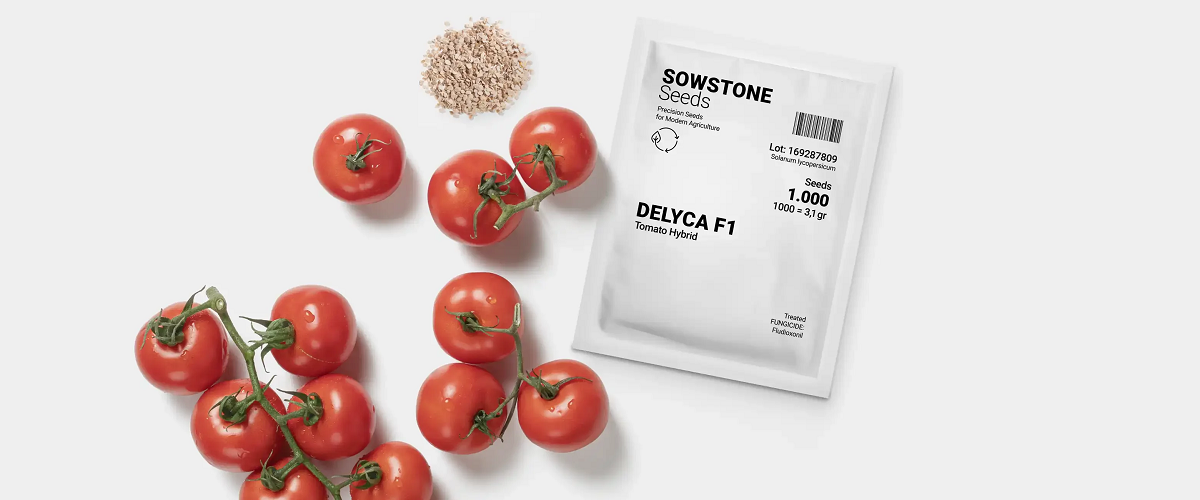
2. How Does Flexible Packaging Protect Seeds from Moisture, Oxygen, and Contamination?
Flexible packaging is designed to create a controlled environment for seeds.
Moisture Control
Excess moisture can trigger premature germination or cause mold growth. Flexible packaging materials with moisture barriers help keep seeds dry.
Oxygen Barrier Protection
Oxygen can accelerate seed aging and reduce viability. High-barrier packaging materials slow down oxidation processes.
Contamination Prevention
Seeds must be protected from:
- Dust and dirt
- Microorganisms
- Chemical contaminants
Sealed flexible packaging prevents external contamination.
Light Protection
Certain seeds are sensitive to light exposure. Opaque or metallized packaging materials help protect against UV damage.

3. Which Flexible Packaging Materials Are Best for Seed Storage and Distribution?
Selecting the right material is essential for effective seed packaging.
PE (Polyethylene)
PE is widely used for seed packaging due to its flexibility and moisture resistance. It is often used as an inner sealing layer.
PET (Polyethylene Terephthalate)
PET provides strength and durability, making it suitable for outer layers that require mechanical protection.
BOPP (Biaxially Oriented Polypropylene)
BOPP films offer good moisture resistance and excellent printability, making them ideal for branded seed packaging.
Aluminum Foil and Metallized Films
These materials provide superior barrier protection against moisture, oxygen, and light, making them suitable for high-value or sensitive seeds.
Multi-Layer Laminated Structures
Combining materials allows manufacturers to achieve:
- Enhanced barrier performance
- Improved durability
- Better sealing properties
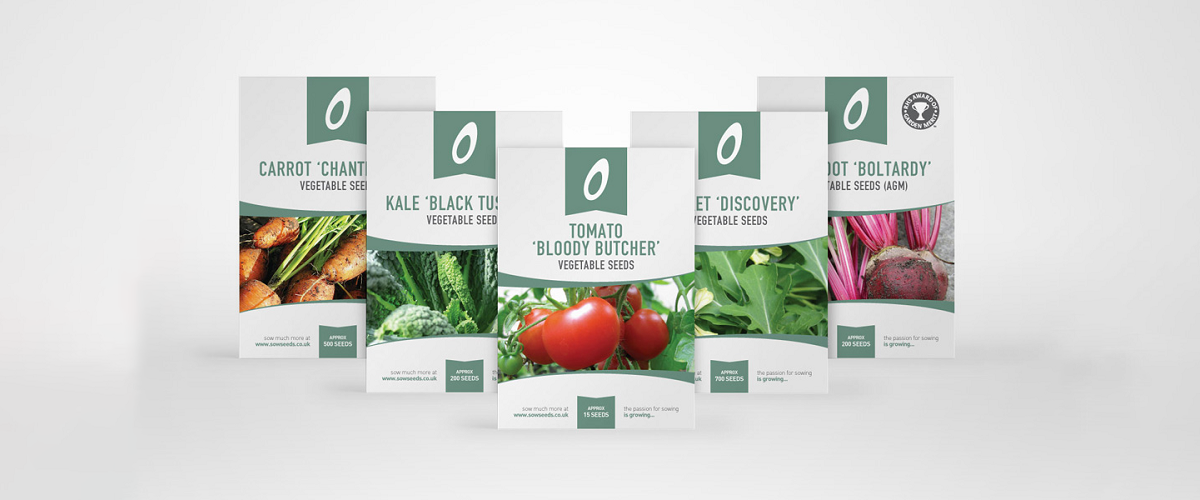
4. What Packaging Features Help Extend Seed Shelf Life and Germination Rates?
Advanced packaging features can significantly improve seed performance.
Airtight Sealing
Proper sealing prevents moisture and oxygen from entering the package, preserving seed quality.
Resealable Closures
Resealable features allow users to open and close the package multiple times without compromising protection.
Vacuum Packaging or Modified Atmosphere Packaging (MAP)
These technologies reduce oxygen levels inside the package, slowing down seed aging.
Durable and Tear-Resistant Materials
Strong materials help protect seeds during transportation and handling.
Clear Labeling and Traceability
Packaging often includes:
- Product information
- Storage instructions
- Batch tracking details
These features ensure proper handling and regulatory compliance.
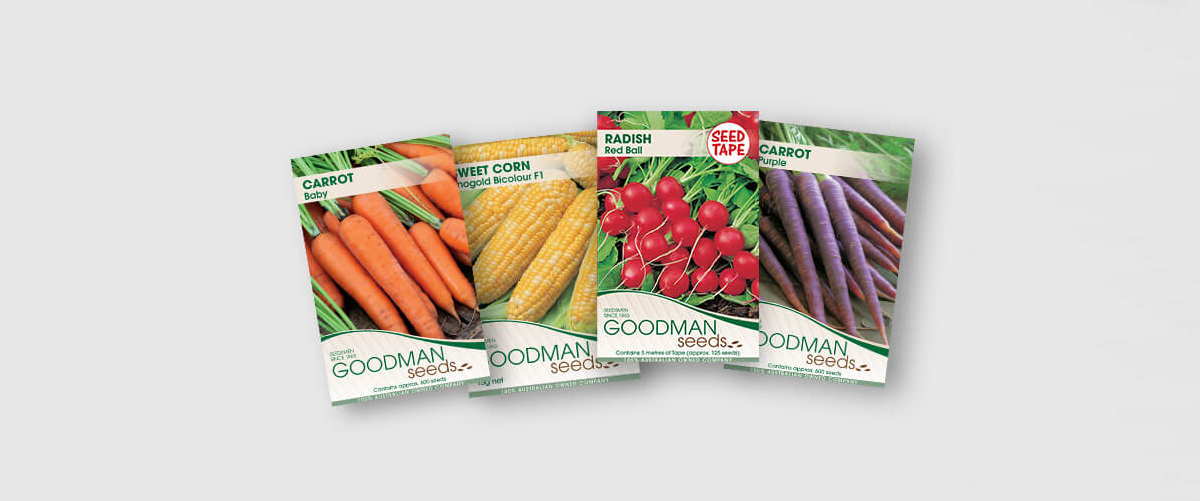
5. Flexible Packaging for Seeds: Key Benefits for Storage, Transport, and Export
Flexible packaging provides multiple advantages across the supply chain.
Lightweight and Cost-Effective
Flexible packaging reduces material usage and transportation costs compared to rigid containers.
Space Efficiency
Flexible bags can be stacked and stored efficiently, optimizing warehouse space.
Customization Options
Manufacturers can customize packaging in terms of:
- Size
- Design
- Material structure
This flexibility supports branding and product differentiation.
Suitability for Global Distribution
High-performance packaging ensures seeds remain protected during long-distance shipping and varying environmental conditions.
FAQ
Why is packaging so important for seeds?
Seeds are living materials that can lose viability if exposed to moisture, oxygen, or contamination. Proper packaging helps maintain germination rates and quality.
What materials are commonly used in seed flexible packaging?
Common materials include PE, PET, BOPP, aluminum foil, metallized films, and multi-layer laminates.
Can flexible packaging improve seed shelf life?
Yes. High-barrier materials and airtight sealing can significantly extend shelf life and preserve seed viability.
Is flexible packaging suitable for international seed export?
Yes. Its lightweight structure, durability, and protective properties make it ideal for global distribution.
Conclusion
Flexible packaging plays a vital role in maintaining seed quality, protecting against environmental risks, and ensuring consistent agricultural performance. By providing strong barriers against moisture, oxygen, light, and contamination, flexible packaging helps preserve seed viability and extend shelf life. Its versatility, cost efficiency, and adaptability make it an ideal solution for modern seed storage, transportation, and export. As the agricultural industry continues to evolve, flexible packaging will remain an essential tool for supporting sustainable and efficient seed distribution worldwide.