Why Is Flexible Packaging for Soup Base So Important?
Anna_Yu
Why Is Flexible Packaging for Soup Base So Important?
Soup bases—whether in liquid, paste, or concentrated form—are essential components in modern food preparation, widely used in households, restaurants, and the foodservice industry. From hot pot bases and broth concentrates to seasoning pastes and ready-to-use soup starters, these products require packaging that ensures safety, freshness, and convenience. Unlike dry foods, soup bases often contain oils, water, spices, and active ingredients that are highly sensitive to environmental conditions such as oxygen, moisture, light, and microbial contamination.
In addition, soup bases present unique packaging challenges due to their semi-liquid or viscous nature. Leakage, spoilage, and contamination are major risks if packaging is not properly designed. At the same time, modern consumers demand convenient, easy-to-use packaging that supports portion control, portability, and long shelf life. This makes packaging not just a protective layer, but a critical factor in product performance, brand perception, and supply chain efficiency.
Flexible packaging has become the preferred solution for soup base products because of its ability to combine strong barrier protection, secure sealing, and customizable design. It supports a wide range of formats—from small sachets to stand-up pouches—while offering cost efficiency and excellent product protection. This article explores why packaging is essential for soup base quality and safety, how flexible packaging prevents leakage and contamination, the best materials for liquid and paste applications, and the key features that ensure reliable performance throughout storage and distribution.
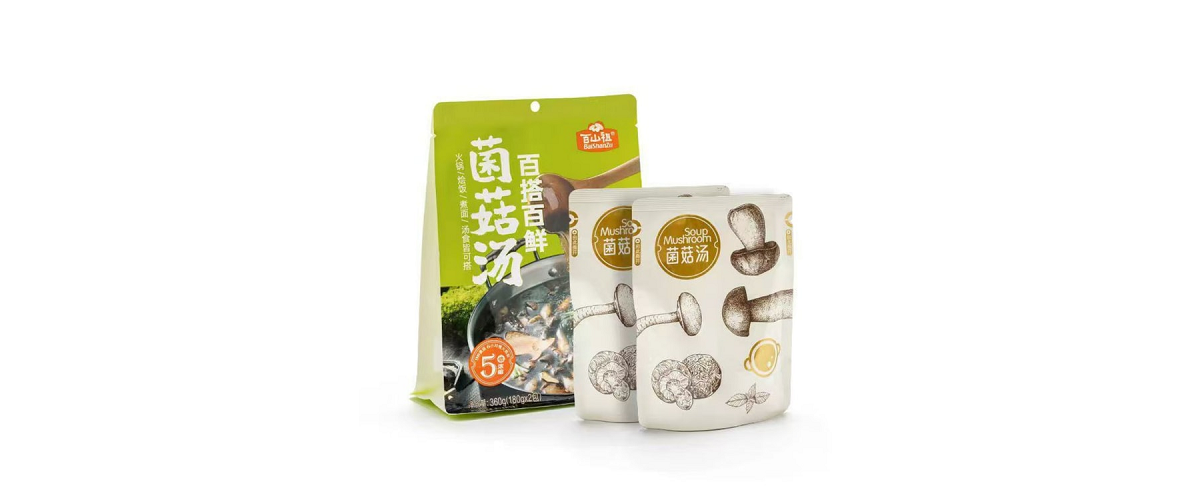
1. Why Does Packaging Play a Critical Role in Soup Base Quality and Safety?
Packaging directly impacts the stability and safety of soup base products.
Preventing Spoilage
Soup bases often contain fats, spices, and moisture, making them susceptible to:
- Oxidation
- Microbial growth
- Flavor degradation
Proper packaging minimizes exposure to air and contaminants.
Maintaining Flavor and Aroma
Aroma is a key quality indicator for soup bases. Packaging helps retain volatile compounds that define taste and smell.
Ensuring Food Safety
Secure packaging prevents contamination from:
- Bacteria
- Dust and foreign particles
- Handling during distribution
Supporting Shelf Life
High-quality packaging extends shelf life, reducing food waste and improving product reliability.
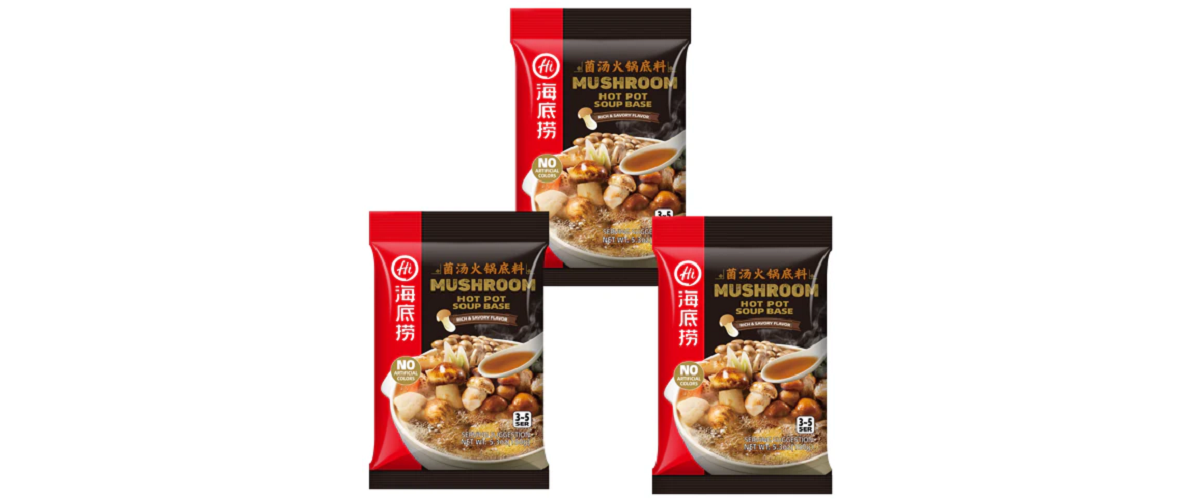
2. How Does Flexible Packaging Protect Soup Base from Leakage and Contamination?
Flexible packaging is engineered to handle liquid and semi-liquid products effectively.
Leak Prevention
Multi-layer films and strong seals prevent leakage, even under pressure during transportation.
Hygienic Barrier
Packaging acts as a protective shield against:
- External contaminants
- Moisture ingress
- Oxygen exposure
Resistance to Oil and Grease
Soup bases often contain oils that can weaken standard packaging. Specialized materials resist oil penetration and maintain integrity.
Durability in Transit
Flexible packaging is designed to withstand:
- Compression
- Vibration
- Temperature changes

3. Which Flexible Packaging Materials Are Best for Liquid and Paste Soup Bases?
Material selection is crucial for ensuring packaging performance.
PET (Polyethylene Terephthalate)
Provides strength, heat resistance, and excellent printability, making it ideal for outer layers.
NY (Nylon)
Nylon offers high puncture resistance and flexibility, suitable for vacuum or heavy-duty applications.
PE (Polyethylene)
PE is commonly used as the inner sealing layer due to its:
- Heat sealability
- Flexibility
- Chemical resistance
Aluminum Foil
Aluminum foil provides superior barrier protection against:
- Oxygen
- Moisture
- Light
It is ideal for long shelf-life soup base products.
Metallized Films
Metallized films offer a balance between performance and cost, providing enhanced barrier properties compared to standard plastic films.
Typical Laminated Structures
| Structure | Features | Applications |
|---|---|---|
| PET/PE | Cost-effective, good sealing | Basic soup base packaging |
| PET/NY/PE | Strong, puncture-resistant | Liquid or heavy products |
| PET/AL/PE | उत्कृष्ट barrier protection | Premium or export products |
| PET/MPET/PE | Balanced cost and performance | Mid-range packaging solutions |
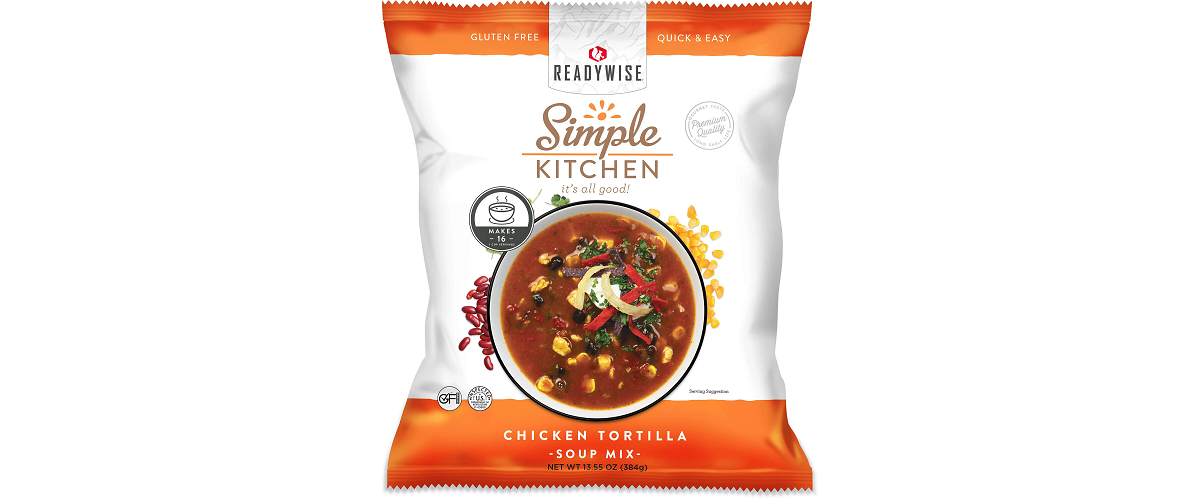
4. What Barrier and Seal Features Are Essential for Soup Base Packaging?
Advanced features ensure product integrity and usability.
High Barrier Properties
Effective packaging must block:
- Oxygen (to prevent oxidation)
- Moisture (to maintain consistency)
- Light (to protect sensitive ingredients)
Strong Heat Sealing
Reliable seals are critical to prevent leakage and ensure safety during storage and transport.
Easy-Tear Openings
Convenient tear notches improve user experience without compromising seal strength.
Spouts and Caps
For liquid soup bases, spouted pouches provide:
- Controlled pouring
- Reduced spillage
- Reusability
Retort Capability
Some soup bases require high-temperature sterilization. Retort packaging ensures:
- Heat resistance
- Long shelf life without refrigeration
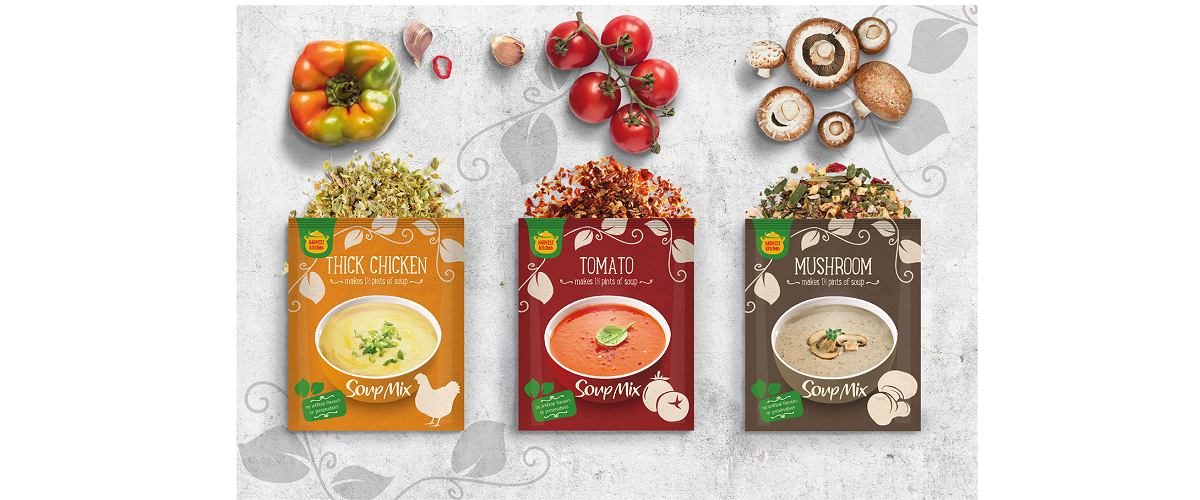
5. Flexible Packaging for Soup Base: Key Benefits for Storage, Transport, and Shelf Life
Flexible packaging delivers multiple advantages across the supply chain.
Space Efficiency
Flexible pouches take up less space than rigid containers, improving storage and logistics efficiency.
Cost Reduction
Lower material usage and reduced shipping weight lead to significant cost savings.
Extended Shelf Life
High-barrier materials and secure sealing help maintain product quality over time.
Customization and Branding
Flexible packaging supports high-quality printing and unique shapes, enhancing shelf appeal.
Convenience for Consumers
Features such as resealable closures and easy-pour designs improve usability and customer satisfaction.
FAQ
Why is flexible packaging suitable for soup base products?
It provides strong barrier protection, leak resistance, and cost efficiency while supporting convenient packaging formats.
What materials are best for soup base packaging?
Common materials include PET, PE, nylon (NY), aluminum foil, and metallized films, often combined in laminated structures.
How can packaging prevent leakage?
By using multi-layer films, strong heat seals, and durable materials designed for liquid and semi-liquid products.
Is flexible packaging suitable for high-temperature processing?
Yes. Retort packaging can withstand sterilization processes and extend shelf life without refrigeration.
Conclusion
Flexible packaging plays a crucial role in ensuring the quality, safety, and shelf life of soup base products. Its ability to provide strong barrier protection, prevent leakage, and support a wide range of formats makes it an ideal solution for both liquid and paste applications. By selecting the right materials and incorporating essential features such as high-barrier films, secure seals, and user-friendly designs, manufacturers can deliver products that meet modern consumer expectations while optimizing cost and logistics. As the demand for convenient and high-quality food products continues to grow, flexible packaging will remain a key driver of innovation and efficiency in the soup base industry.