Why Is Flexible Packaging More Suitable for Samosa?
Anna_Yu
Why Is Flexible Packaging More Suitable for Samosa?
Samosas are a widely محبوب fried snack, appreciated for their crispy outer layer and flavorful fillings. Whether sold fresh, frozen, or ready-to-eat, samosas present unique packaging challenges due to their sensitivity to moisture, oil migration, and physical damage. Maintaining the signature crunch while preventing sogginess or staleness requires a well-designed packaging solution.
Traditional rigid packaging—such as plastic trays or paper boxes—can provide structural protection, but often falls short in terms of barrier performance, cost efficiency, and flexibility. In contrast, flexible packaging offers a modern approach that combines effective protection, lightweight efficiency, and strong branding capabilities.
With advancements in materials and design, flexible packaging can be tailored to meet the specific needs of fried snack products like samosas. From moisture control to oil resistance and ventilation, the right packaging solution helps preserve product quality while improving storage, transport, and retail performance. This guide explores why flexible packaging is particularly suitable for samosas and how to choose the best solution.
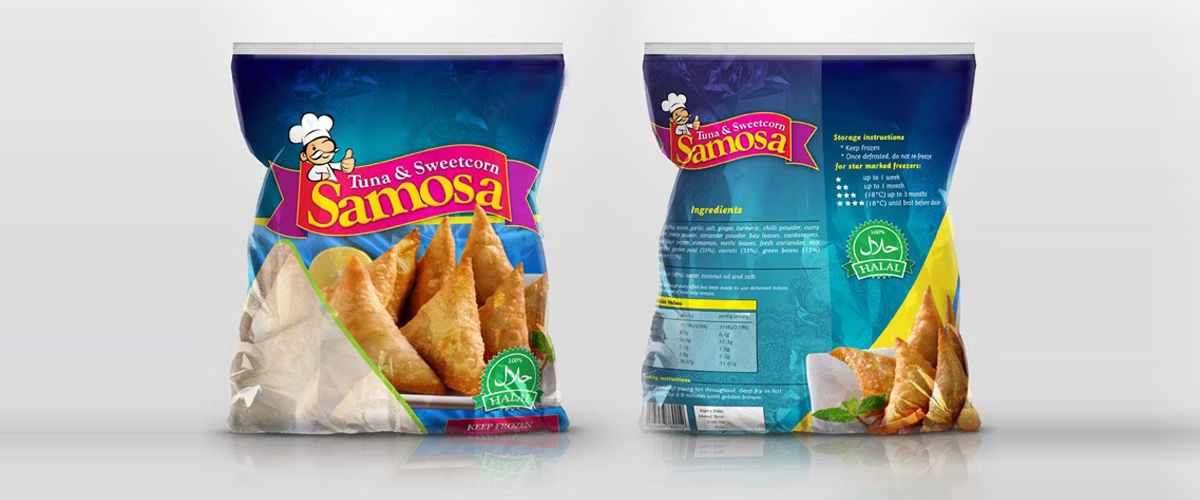
1. Why Is Flexible Packaging Ideal for Samosa Products?
Flexible packaging provides multiple advantages for fried snacks.
Cost Efficiency
- Uses less material than rigid packaging
- Reduces production and shipping costs
Lightweight and Space-Saving
- Easier to transport and store
- Improves logistics efficiency
Versatile Formats
- Suitable for fresh, frozen, and ready-to-eat samosas
- Supports multiple sizes and pack formats
Strong Branding Potential
- High-quality printing enhances shelf appeal
- Custom designs improve brand recognition
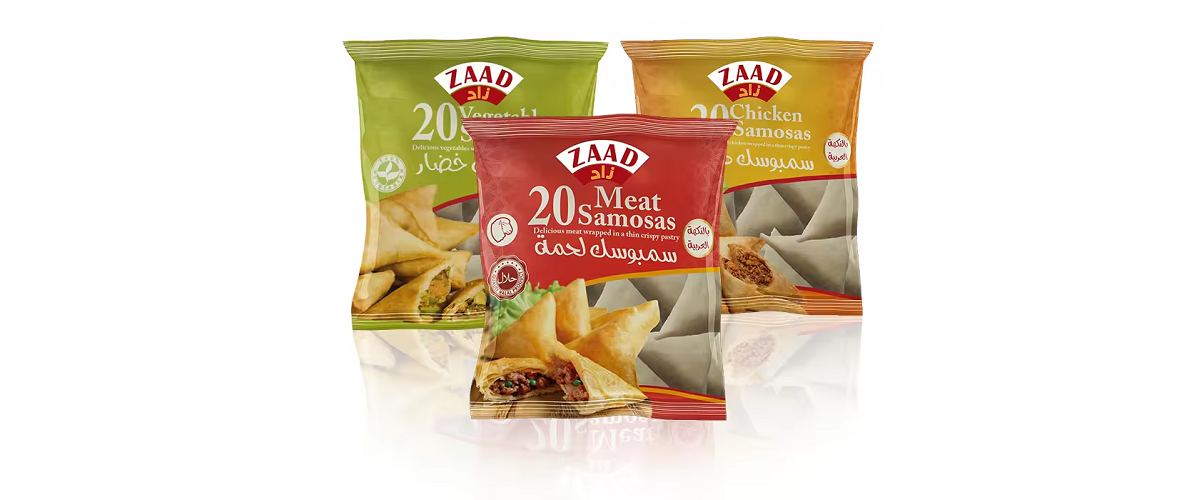
2. How Does Flexible Packaging Help Maintain Samosa Crispness and Freshness?
Maintaining crispness is a key challenge for samosa packaging.
Moisture Control
Flexible packaging limits moisture ingress, preventing sogginess.
Oil Resistance
Specialized inner layers prevent oil absorption into the packaging material.
Controlled Ventilation
Micro-perforations or breathable films allow steam to escape in fresh products.
Protection from External Contamination
Sealed packaging prevents exposure to dust and microorganisms.

3. Which Packaging Materials Are Best for Fried Snack Products Like Samosa?
Material selection must balance barrier performance and functionality.
BOPP (Biaxially Oriented Polypropylene)
- Good moisture resistance
- Cost-effective
- Suitable for dry or short shelf-life products
PET (Polyethylene Terephthalate)
- Strong and heat-resistant
- Excellent printability
- Suitable outer layer
PE (Polyethylene)
- Good sealing properties
- Oil-resistant inner layer
Metallized Films (MPET)
- Enhanced barrier against moisture and oxygen
- Suitable for longer shelf life
Paper-Based Laminates
- Provide a natural look
- Often combined with plastic layers for barrier performance
Typical Laminated Structures
| Structure | Features | Applications |
|---|---|---|
| BOPP/PE | Cost-effective | Fresh or short shelf-life samosas |
| PET/PE | Strong and reliable | Retail packaging |
| PET/MPET/PE | Enhanced barrier | Frozen or packaged samosas |
| Paper/PE | Natural appearance | Ready-to-eat or takeaway products |
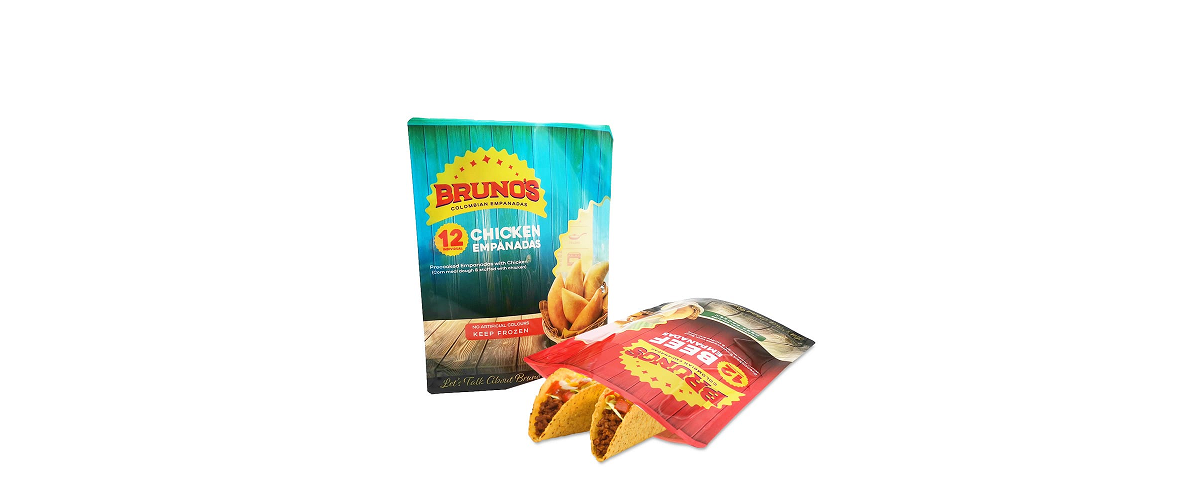
4. What Barrier and Ventilation Features Are Important for Samosa Packaging?
Functional features are essential for maintaining product quality.
Airtight Sealing
Prevents external moisture and contamination.
Oil-Resistant Layers
Protect packaging integrity and prevent leakage.
Ventilation Options
- Micro-perforation for hot, fresh samosas
- Breathable films to release steam
Anti-Fog Properties
Maintain clear visibility when condensation is present.
Heat Resistance
Allows packaging to handle warm or freshly cooked products.
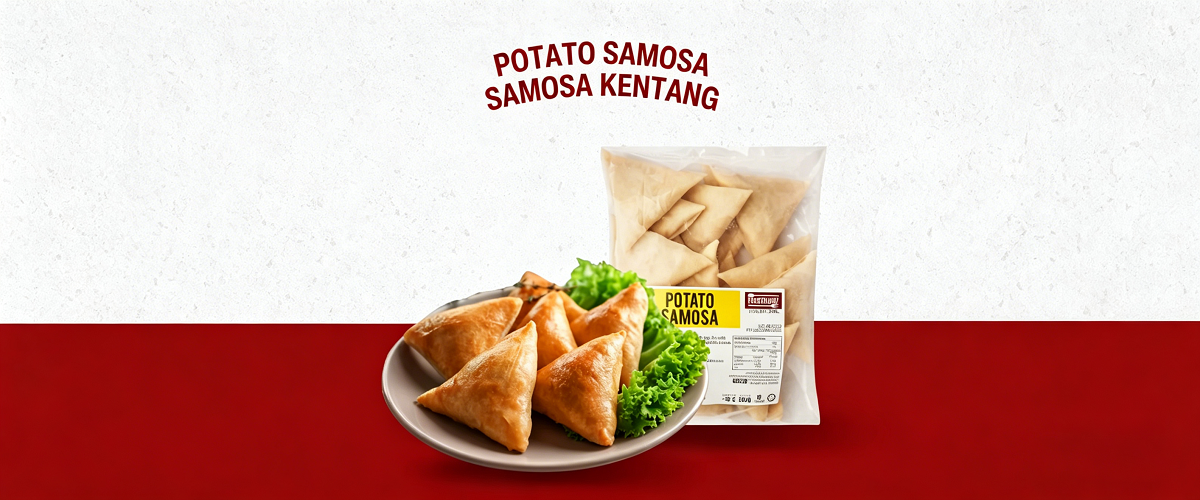
5. Flexible Packaging for Samosa: Key Benefits for Storage, Transport, and Retail Display
A comprehensive packaging strategy supports product success across the supply chain.
Storage Stability
Protects samosas from environmental factors that affect texture and quality.
Transportation Efficiency
Lightweight packaging reduces shipping costs and improves handling.
Shelf Life Optimization
Appropriate barrier and ventilation balance freshness and crispness.
Retail Presentation
Attractive designs and transparent windows enhance consumer appeal.
Sustainability Opportunities
Reduced material usage supports eco-friendly packaging initiatives.
FAQ
Why do samosas become soggy in packaging?
Moisture buildup and trapped steam are the main causes.
Can flexible packaging be used for hot samosas?
Yes, with breathable or ventilated designs to release steam.
What materials are best for fried snacks?
BOPP, PET, PE, and metallized films are commonly used.
Is ventilation always necessary?
It depends on the product. Fresh hot samosas require ventilation, while frozen ones need strong barriers.
Conclusion
Flexible packaging is highly suitable for samosa products due to its ability to balance moisture control, oil resistance, and ventilation. By selecting the right materials and incorporating key features such as breathable films, airtight seals, and high-barrier layers, manufacturers can effectively maintain crispness, prevent sogginess, and extend shelf life. In addition to its functional advantages, flexible packaging offers cost efficiency, improved logistics, and strong branding opportunities. As the demand for convenient and high-quality snack packaging continues to grow, flexible packaging stands out as a practical and forward-looking solution for samosa products.