Why Is Flexible Packaging So Important for Instant Noodles?
Anna_Yu
Why Is Flexible Packaging So Important for Instant Noodles?
Instant noodles are one of the most widely consumed convenience foods in the world, valued for their affordability, long shelf life, and ease of preparation. However, despite being a dry product, instant noodles are highly sensitive to environmental factors such as moisture, oxygen, light, and contamination. Even small amounts of humidity can lead to texture degradation, loss of crispness, and reduced product quality. Additionally, seasoning sachets included in instant noodle packaging often contain oils and powders that require separate protection.
Packaging therefore plays a critical role in maintaining the safety, quality, and shelf life of instant noodles. Beyond protection, modern consumers also expect packaging to be convenient, easy to open, portable, and visually appealing. This has driven the widespread adoption of flexible packaging, which offers a combination of strong barrier protection, lightweight efficiency, and design versatility.
Flexible packaging is now the standard for instant noodle products, whether in pillow pouches, overwrap films, or multi-pack formats. It enables manufacturers to optimize cost, improve logistics, and create attractive designs that stand out in retail environments. This article explores why packaging is essential for instant noodles, how flexible packaging protects them, the best materials to use, and the features that enhance consumer experience.
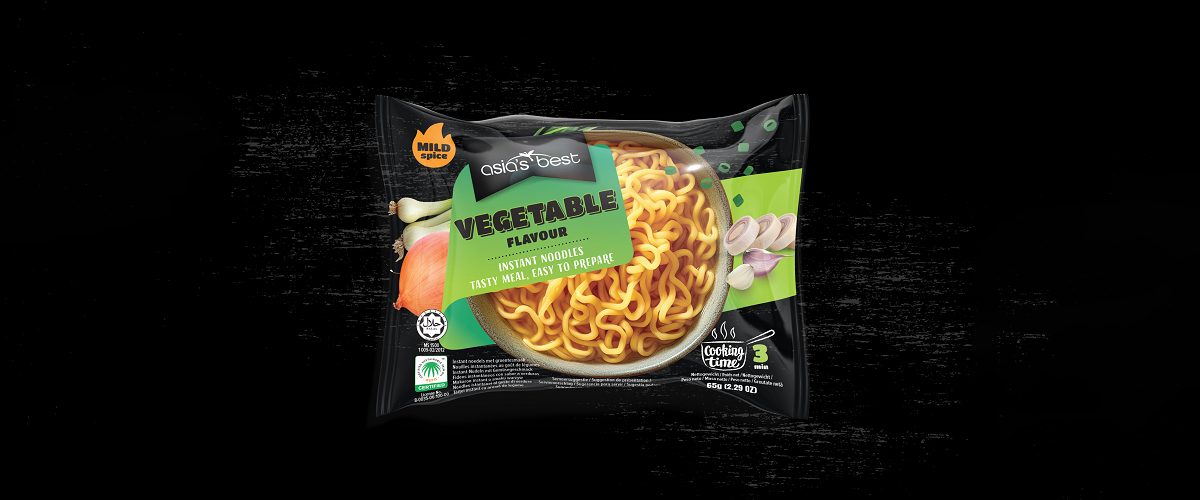
1. Why Does Packaging Play a Critical Role in Instant Noodle Quality and Shelf Life?
Packaging directly impacts the stability and usability of instant noodles.
Protection from Moisture
Instant noodles must remain dry to preserve their texture. Exposure to humidity can cause:
- Softening
- Clumping
- Microbial growth
Prevention of Oxidation
Seasoning oils and fried noodles can oxidize when exposed to air, leading to off-flavors and reduced shelf life.
Maintaining Product Integrity
Packaging protects noodles from:
- Breakage
- Crushing
- External contamination
Shelf Life Extension
High-quality packaging helps extend shelf life, making instant noodles suitable for long-term storage and distribution.
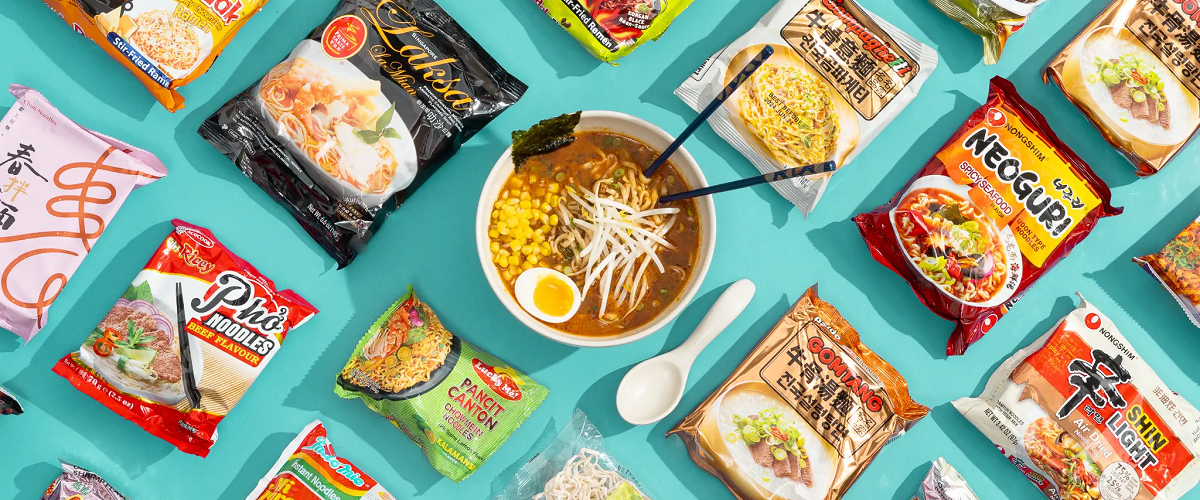
2. How Does Flexible Packaging Protect Instant Noodles from Moisture and Contamination?
Flexible packaging provides multiple layers of protection.
Moisture Barrier
High-barrier films prevent water vapor from entering the package, keeping noodles dry and crisp.
Airtight Sealing
Strong heat seals minimize air exchange, reducing the risk of contamination and oxidation.
Hygienic Protection
Packaging acts as a barrier against:
- Dust
- Microorganisms
- External pollutants
Protection for Seasoning Sachets
Flexible packaging can accommodate separate compartments or inner sachets for seasoning, ensuring product safety and convenience.
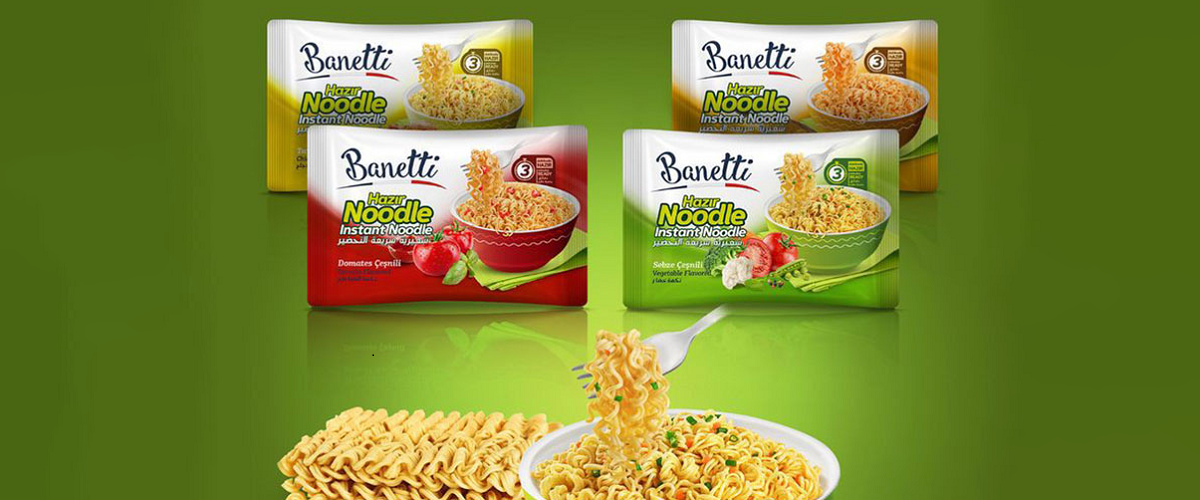
3. Which Flexible Packaging Materials Are Best for Instant Noodle Products?
Material selection is essential for achieving optimal performance.
BOPP (Biaxially Oriented Polypropylene)
- Excellent moisture resistance
- High clarity and printability
- Cost-effective
PET (Polyethylene Terephthalate)
- Strong and durable
- Good heat resistance
- Suitable for outer layers
PE (Polyethylene)
- Excellent sealing properties
- Flexible and reliable
- Common inner layer
Aluminum Foil
- Superior barrier against moisture, oxygen, and light
- Ideal for premium or export products
Metallized Films
- Enhanced barrier properties
- Lower cost than aluminum foil
- Widely used in mid-range packaging
Typical Laminated Structures
| Structure | Features | Applications |
|---|---|---|
| BOPP/PE | Cost-effective | Standard instant noodles |
| PET/PE | Strong and reliable | Retail packaging |
| PET/MPET/PE | Enhanced barrier | Mid-range products |
| PET/AL/PE | Maximum protection | Premium and export noodles |
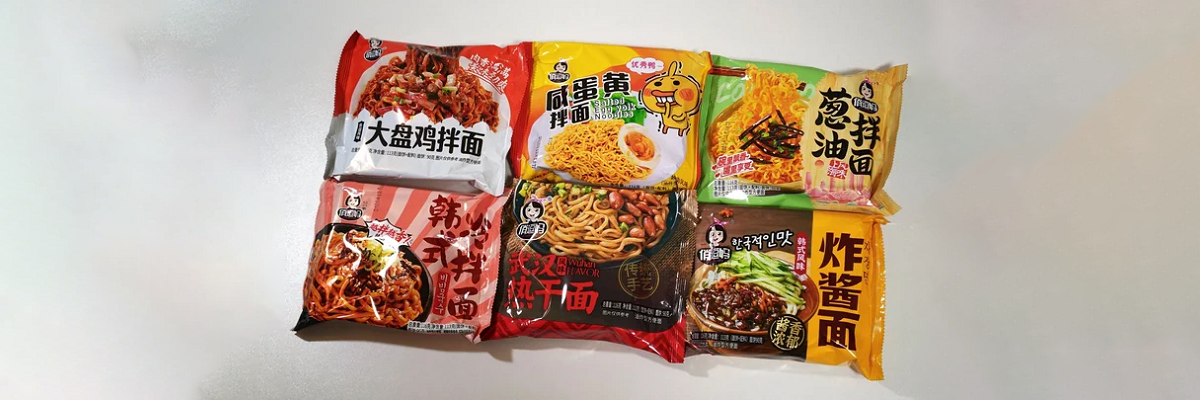
4. What Packaging Features Improve Convenience and Consumer Experience?
Modern packaging must enhance usability in addition to protection.
Easy-Open Design
Tear notches and easy-peel seals allow consumers to open packaging quickly.
Lightweight and Portable
Flexible packaging is easy to carry, making it suitable for on-the-go consumption.
Compact Design
Efficient packaging reduces storage space for both retailers and consumers.
Multi-Pack Options
Flexible packaging supports bundled products, improving value perception.
High-Quality Printing
Attractive designs and clear information improve product visibility and brand recognition.
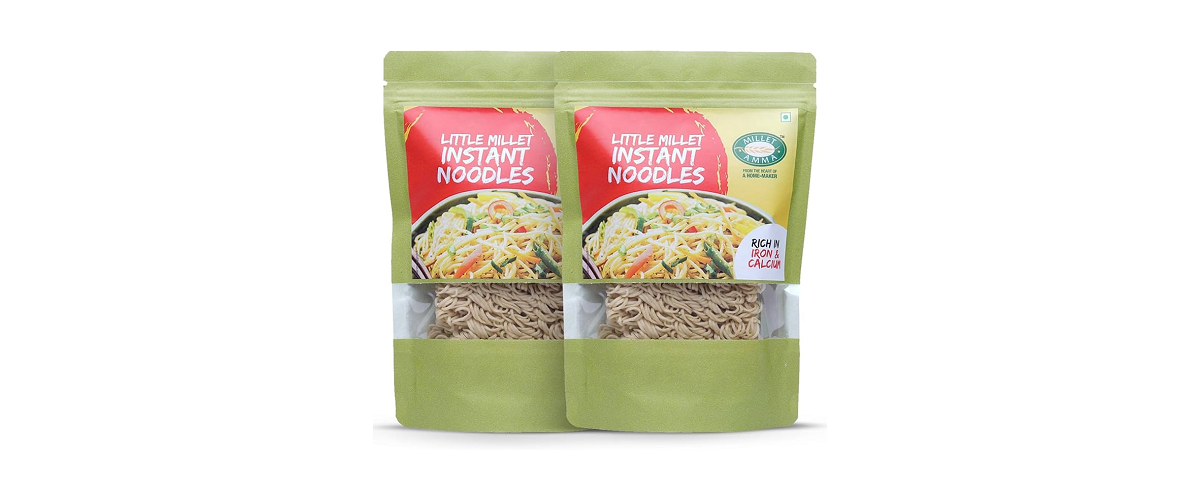
5. Flexible Packaging for Instant Noodles: Key Benefits for Storage, Distribution, and Branding
Flexible packaging offers advantages across the supply chain.
Cost Efficiency
Reduced material usage and lower transportation costs improve overall profitability.
Space Optimization
Flexible packaging allows better utilization of storage and shipping space.
Extended Shelf Life
High-barrier materials protect against environmental factors, ensuring long product life.
Strong Branding Opportunities
Custom printing and creative designs help products stand out on retail shelves.
Sustainability Advantages
Flexible packaging uses less material compared with rigid alternatives, supporting environmental goals.
FAQ
Why is flexible packaging used for instant noodles?
It provides strong moisture protection, extends shelf life, and offers cost and logistics advantages.
What happens if instant noodles absorb moisture?
They can lose crispness, clump together, and become unsafe for consumption.
Which materials are best for instant noodle packaging?
Common materials include BOPP, PET, PE, aluminum foil, and metallized films.
Can instant noodle packaging be eco-friendly?
Yes. Many manufacturers are exploring recyclable and reduced-material packaging solutions.
Conclusion
Flexible packaging is essential for maintaining the quality, safety, and shelf life of instant noodles. By providing strong barrier protection against moisture, oxygen, and contamination, it ensures that noodles remain fresh and ready for consumption. In addition to functional benefits, flexible packaging enhances convenience, reduces costs, and supports effective branding. As consumer expectations continue to evolve, flexible packaging will remain a key component in delivering high-quality instant noodle products while meeting modern demands for efficiency and sustainability.