Why Is Flexible Packaging So Suitable for Nuts?
Anna_Yu
Why Is Flexible Packaging So Suitable for Nuts?
Nuts are a popular snack category enjoyed worldwide for their nutritional value, rich flavor, and satisfying crunch. However, despite their relatively low moisture content, nuts are highly sensitive to environmental factors such as oxygen, light, heat, and humidity. Improper packaging can quickly lead to oxidation, rancidity, loss of crunchiness, and flavor degradation—ultimately reducing product quality and shelf life.
For nut manufacturers and brands, maintaining freshness while ensuring convenience and strong shelf appeal is essential. Packaging must not only protect the product but also support branding, portion control, and ease of use. This is where flexible packaging stands out as an ideal solution. With its ability to provide excellent barrier protection, lightweight efficiency, and customizable design, flexible packaging has become the industry standard for nut products.
From roasted almonds and peanuts to mixed nuts and flavored snack blends, flexible packaging supports a wide range of formats and product types. It enables brands to deliver high-quality products while optimizing logistics and enhancing consumer experience. This article explores why flexible packaging is ideal for nuts, how it prevents oxidation, the best materials to use, and the features that help maintain crunchiness and extend shelf life.
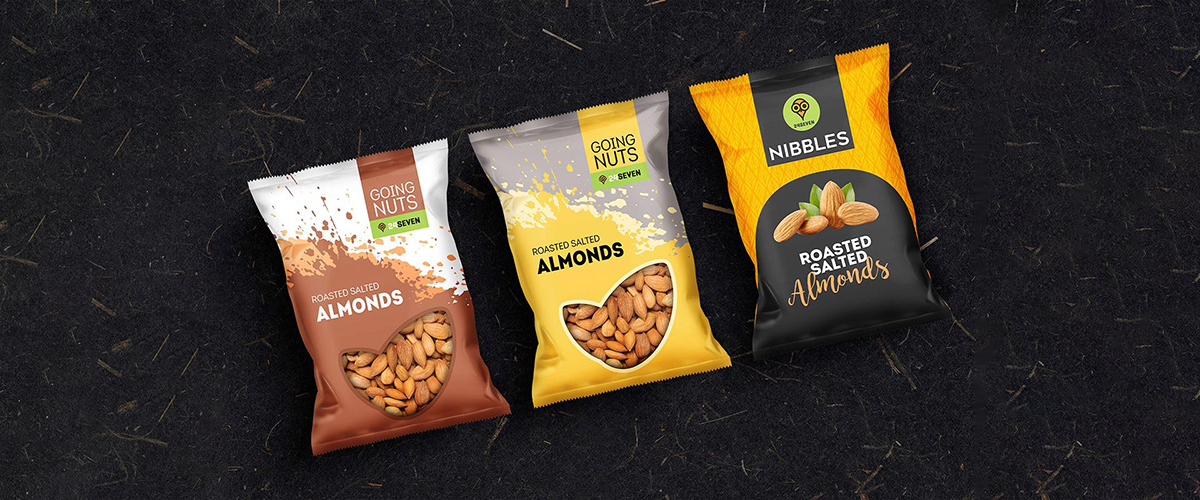
1. Why Is Flexible Packaging Ideal for Nut Products?
Flexible packaging meets the specific requirements of nut products.
Protection Against Environmental Factors
Nuts must be protected from:
- Oxygen
- Moisture
- Light
Flexible packaging provides multi-layer barrier protection to minimize these risks.
Lightweight and Cost-Effective
Compared with rigid containers, flexible packaging reduces:
- Material usage
- Transportation costs
- Storage space
Versatility in Packaging Formats
Flexible packaging can be used for:
- Single-serve snack packs
- Family-size pouches
- Bulk packaging
Enhanced Shelf Appeal
High-quality printing and customizable designs help products stand out in competitive markets.

2. How Does Flexible Packaging Prevent Oxidation and Preserve Nut Freshness?
Oxidation is one of the main causes of quality deterioration in nuts.
Oxygen Barrier Protection
Multi-layer films reduce oxygen exposure, slowing down the oxidation process.
Airtight Sealing
Strong seals prevent air from entering the package, maintaining freshness.
Protection from Light
Certain materials block light, which can accelerate oxidation and degrade flavor.
Optional Nitrogen Flushing
Some packaging systems use nitrogen flushing to replace oxygen inside the package, further preserving freshness.
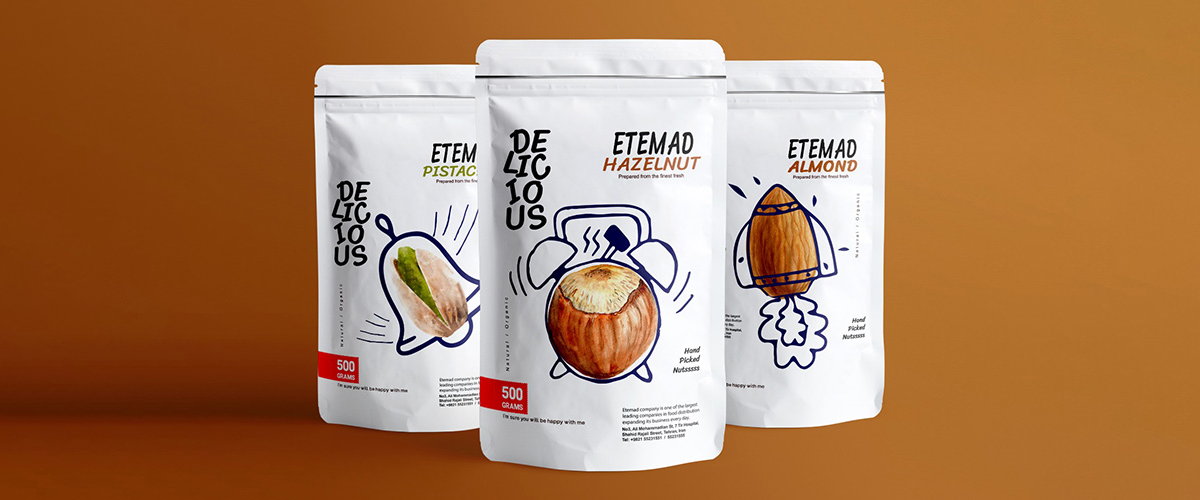
3. Which Packaging Materials Offer the Best Barrier Protection for Nuts?
Material selection is crucial for maintaining quality.
PET (Polyethylene Terephthalate)
- Strong and durable
- Excellent printability
- Suitable for outer layers
BOPP (Biaxially Oriented Polypropylene)
- Good moisture resistance
- Cost-effective
- Widely used in snack packaging
PE (Polyethylene)
- Excellent sealing properties
- Flexible and reliable
- Common inner layer
Aluminum Foil
- Superior barrier against oxygen, moisture, and light
- Ideal for premium nut products
Metallized Films
- Enhanced barrier properties
- More cost-effective than full aluminum foil
Typical Laminated Structures
| Structure | Features | Applications |
|---|---|---|
| BOPP/PE | Cost-effective | Standard nut packaging |
| PET/PE | Strong and reliable | Retail packaging |
| PET/MPET/PE | Enhanced barrier | Mid-range products |
| PET/AL/PE | Maximum protection | Premium nuts |
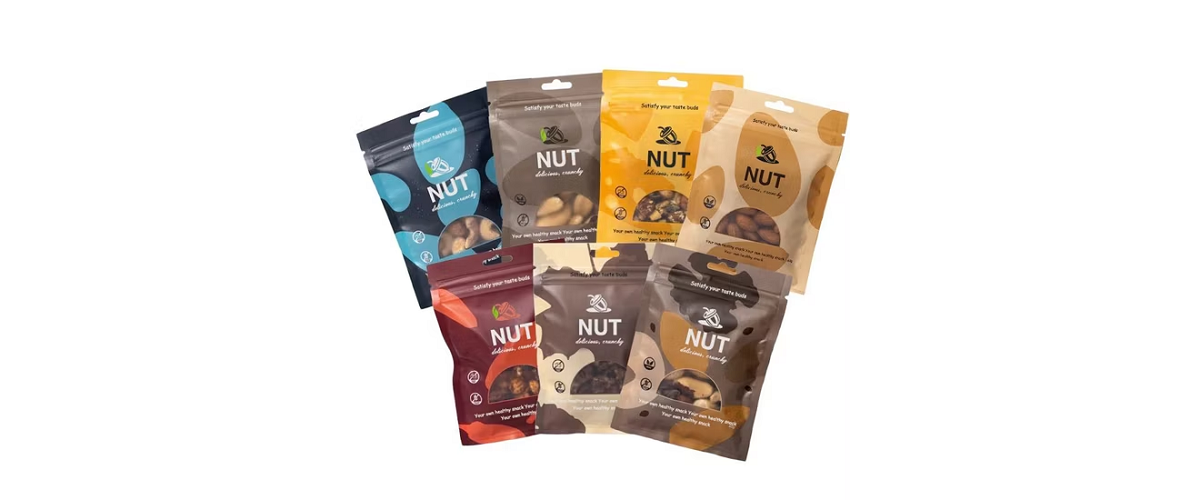
4. What Packaging Features Help Maintain Crunchiness and Extend Shelf Life?
Functional features play a key role in product performance.
Airtight Sealing
Prevents air and moisture from entering, preserving crunchiness.
Moisture Barrier Layers
Keep humidity out, preventing nuts from becoming soft or stale.
Resealable Closures
Zipper features allow consumers to maintain freshness after opening.
Easy-Open Design
Tear notches improve convenience without compromising protection.
Portion Control Packaging
Single-serve packs help maintain freshness and reduce waste.
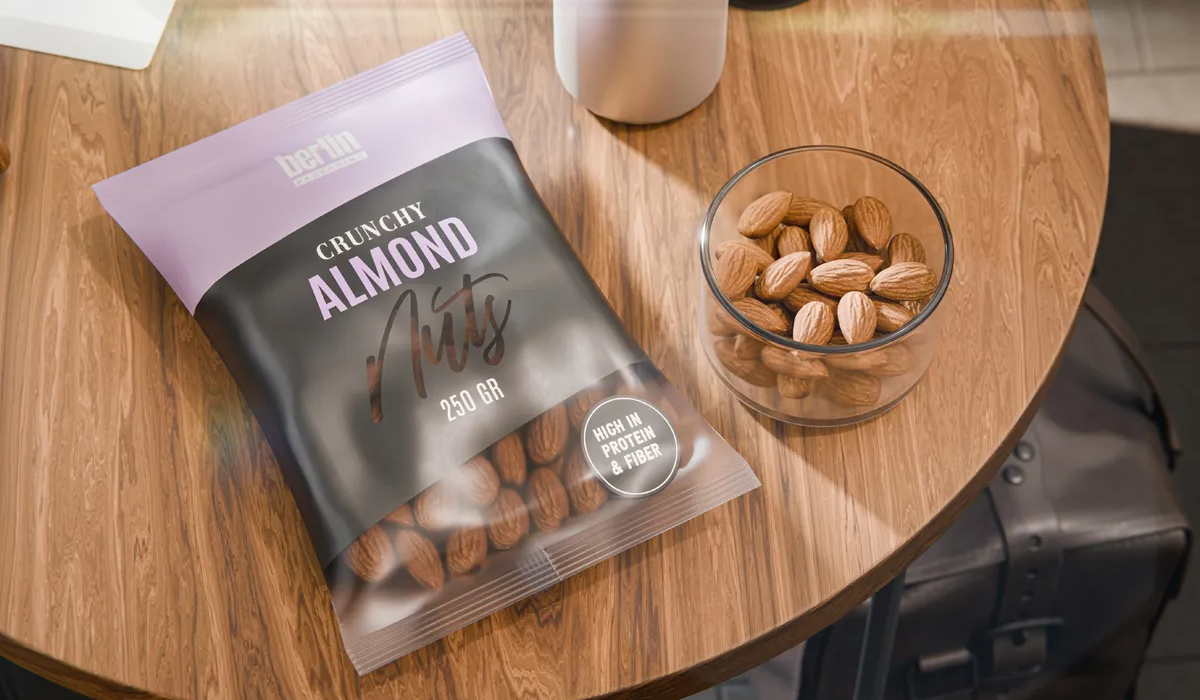
5. Flexible Packaging for Nuts: Key Benefits for Storage, Distribution, and Branding
Flexible packaging offers comprehensive advantages across the supply chain.
Extended Shelf Life
High-barrier materials and airtight sealing help maintain freshness over time.
Cost Efficiency
Reduced material usage and lower shipping costs improve profitability.
Space Optimization
Flexible packaging takes up less space in storage and transportation.
Strong Branding Opportunities
Custom printing and innovative designs enhance product visibility and brand identity.
Sustainability Advantages
Flexible packaging uses less material than rigid alternatives and supports eco-friendly initiatives.
FAQ
Why is flexible packaging widely used for nuts?
It provides strong barrier protection, cost efficiency, and design flexibility.
What causes nuts to go rancid?
Oxidation caused by exposure to oxygen and light leads to rancidity.
Which materials are best for nut packaging?
Common materials include PET, BOPP, PE, aluminum foil, and metallized films.
Can nut packaging be resealable?
Yes. Many flexible packages include zipper closures to maintain freshness after opening.
Conclusion
Flexible packaging is highly suitable for nut products due to its ability to provide excellent barrier protection against oxygen, moisture, and light—key factors that affect freshness and shelf life. By combining durable materials, airtight sealing, and user-friendly features, flexible packaging helps preserve the natural flavor and crunchiness of nuts while enhancing convenience for consumers. In addition to its functional benefits, flexible packaging supports cost efficiency, sustainability, and strong branding opportunities. As the demand for high-quality snack products continues to grow, flexible packaging will remain a critical solution for delivering freshness, performance, and visual appeal in the nut industry.