Why Small, Individually Flexible Packages Are Becoming Increasingly Popular
Anna_Yu
Why Small, Individually Flexible Packages Are Becoming Increasingly Popular
Small, individually packaged products have become one of the strongest trends across the global food, beverage, health, and personal care industries. From snacks, coffee, tea, candy, and nutritional supplements to cosmetics and household products, consumers increasingly prefer single-serve packaging that offers convenience, hygiene, freshness, and precise portion control. As modern lifestyles become faster and more mobile, brands are responding by introducing flexible packaging solutions that are lightweight, practical, and visually appealing.
Unlike large multi-use packages, individually packaged products protect each serving until it is consumed. This minimizes exposure to air, moisture, light, and contaminants while reducing product waste. Single-serve packaging also supports healthier consumption habits by helping consumers manage portions more effectively. In addition, the rapid growth of e-commerce, convenience stores, vending machines, travel retail, and food delivery services has further accelerated demand for compact packaging formats that are easy to carry and distribute.
Flexible packaging has become the preferred solution for individually packaged products because it combines superior barrier performance, lightweight transportation, cost efficiency, and extensive customization options. Whether used for food, beverages, nutritional products, or personal care items, flexible packaging helps manufacturers improve product protection while strengthening brand identity and enhancing the consumer experience. This guide explores why small, individually flexible packages are becoming increasingly popular.
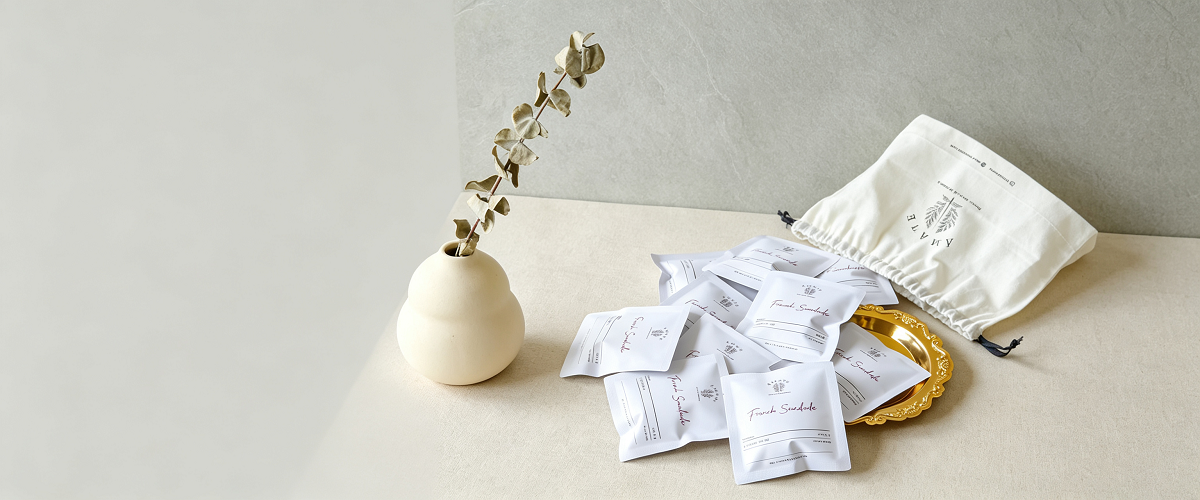
1. Why Are Small, Individually Packaged Products Becoming a Growing Consumer Trend?
Several consumer and market trends are driving the popularity of single-serve packaging.
Busy Lifestyles
Consumers increasingly prefer products that are:
- Ready to use
- Easy to carry
- Suitable for on-the-go consumption
Better Portion Control
Individual packages help consumers:
- Manage calorie intake
- Reduce food waste
- Maintain consistent serving sizes
Improved Hygiene
Each serving remains sealed until use, reducing exposure to external contaminants.
Product Variety
Consumers can purchase assortment packs featuring multiple flavors without committing to large package sizes.
E-Commerce Growth
Compact packaging is easier to ship, store, and deliver efficiently.

2. How Does Individual Flexible Packaging Improve Product Freshness and Portion Control?
Proper packaging helps preserve product quality while enhancing consumer convenience.
Freshness Preservation
Each portion remains sealed independently, helping preserve:
- Flavor
- Aroma
- Texture
- Nutritional quality
Moisture Barrier Protection
Barrier materials help prevent:
- Moisture absorption
- Product softening
- Clumping
Oxygen Barrier Protection
Reducing oxygen exposure helps extend shelf life and minimize oxidation.
Reduced Product Waste
Consumers open only the amount they need, keeping remaining portions fresh.
Accurate Portion Sizes
Consistent serving sizes improve both consumer convenience and nutritional management.
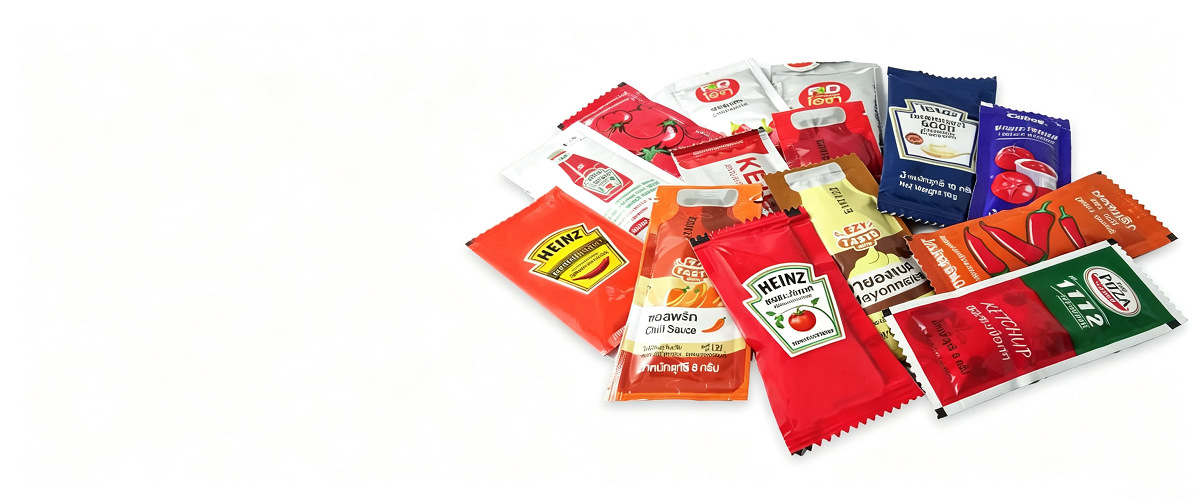
3. Which Flexible Packaging Materials Are Best for Single-Serve Products?
The appropriate material depends on the product's sensitivity and required shelf life.
PET (Polyethylene Terephthalate)
- Excellent mechanical strength
- Superior printing quality
- Durable outer layer
PE (Polyethylene)
- Reliable heat sealing
- Excellent moisture resistance
- Food-contact inner layer
BOPP (Biaxially Oriented Polypropylene)
- Good moisture barrier
- High clarity
- Cost-effective packaging solution
Metallized Films (MPET)
- Enhanced moisture and oxygen barrier
- Premium product appearance
Aluminum Foil Laminates
- Outstanding protection against oxygen, moisture, odors, and light
- Ideal for premium and long shelf-life products
EVOH-Based Structures
- Excellent oxygen barrier
- Suitable for recyclable flexible packaging systems
Typical Laminated Structures
| Structure | Features | Applications |
|---|---|---|
| BOPP/PE | Economical moisture protection | Snack foods and dry products |
| PET/PE | Durable and attractive | Retail food and personal care products |
| PET/MPET/PE | Enhanced barrier performance | Premium single-serve products |
| PET/AL/PE | Maximum protection | Coffee, tea, nutritional supplements, and sensitive products |
| PE/EVOH/PE | Recyclable high-barrier solution | Sustainable packaging applications |
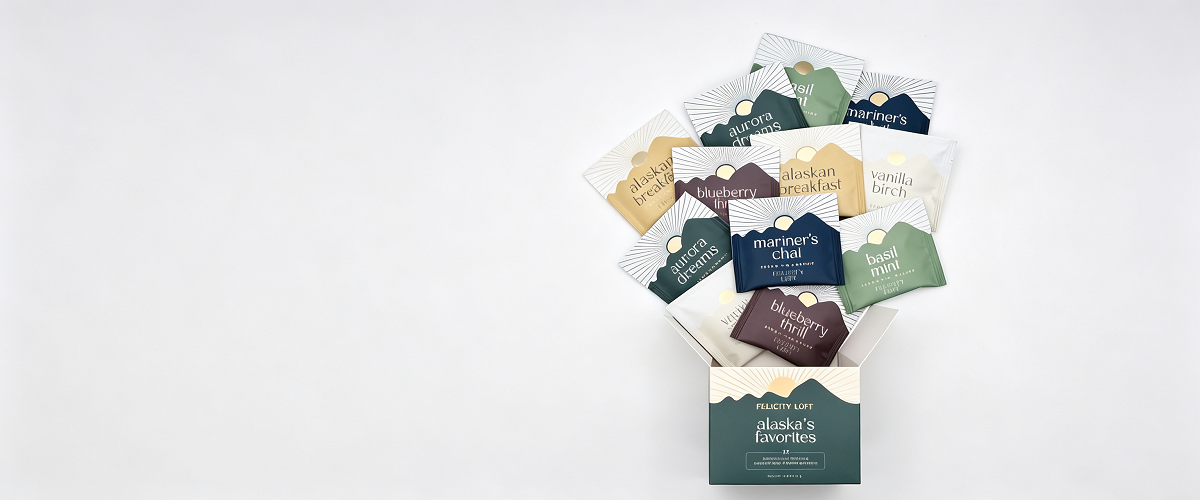
4. What Packaging Features Enhance Convenience, Portability, and Consumer Experience?
Well-designed packaging improves usability while strengthening brand value.
Easy-Tear Notches
Allow consumers to open packages quickly without tools.
Compact Size
Small packages fit easily into:
- Handbags
- Backpacks
- Lunch boxes
- Gym bags
- Travel kits
Lightweight Design
Flexible packaging minimizes carrying weight and shipping costs.
High-Quality Printing
Enhances shelf appeal and effectively communicates product information.
Matte, Gloss, and Specialty Finishes
Improve premium appearance and strengthen brand differentiation.
QR Codes
Provide product information, promotional campaigns, authentication, and consumer engagement.
Custom Shapes and Sizes
Allow brands to create distinctive packaging that stands out on retail shelves.
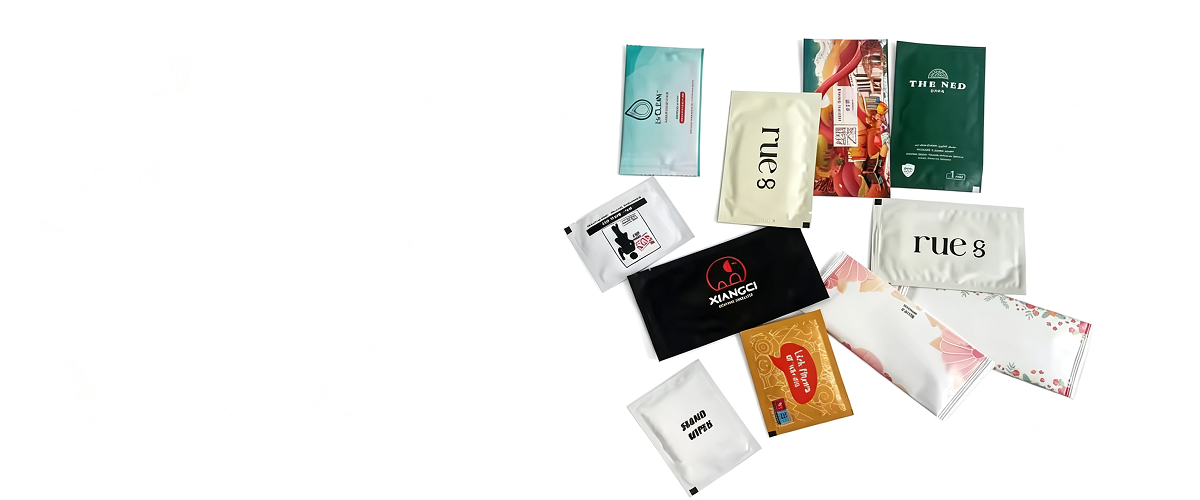
5. Individual Flexible Packaging: Key Benefits for Branding, Shelf Life, and Market Growth
An effective packaging strategy delivers value for both manufacturers and consumers.
Longer Shelf Life
High-barrier materials help preserve freshness, flavor, and product quality.
Stronger Brand Identity
Premium graphics and customized packaging improve product recognition and consumer trust.
Consumer Convenience
Portable, hygienic, and portion-controlled packaging supports modern lifestyles.
Transportation Efficiency
Flexible packaging reduces shipping weight, warehouse space, and logistics costs.
Sustainability Opportunities
Recyclable mono-material and EVOH-based structures support corporate sustainability goals while reducing material consumption.
Market Expansion
Individual packaging enables brands to enter convenience stores, vending machines, travel retail, subscription boxes, e-commerce, and promotional sampling channels.
FAQ
Why are individually packaged products becoming more popular?
Consumers value convenience, hygiene, freshness, portability, and portion control, making single-serve products well suited to today's fast-paced lifestyles.
Which products are most suitable for individual flexible packaging?
Snacks, coffee, tea, dried fruits, candy, nutritional supplements, sauces, cosmetics, pharmaceuticals, and personal care products all benefit from individually packaged flexible formats.
Which packaging materials are commonly used for single-serve products?
PET, PE, BOPP, metallized films, aluminum foil laminates, and EVOH-based structures are widely used depending on the required barrier performance and sustainability objectives.
Can individual flexible packaging be environmentally friendly?
Yes. Many manufacturers now use recyclable mono-material structures, EVOH-based laminates, and material-reduction strategies to improve sustainability while maintaining excellent product protection.
Conclusion
The growing popularity of small, individually flexible packages reflects major changes in consumer behavior, including increased demand for convenience, hygiene, portability, and precise portion control. By protecting each serving from moisture, oxygen, light, and contamination, high-quality flexible packaging helps preserve freshness, flavor, texture, and nutritional value while extending shelf life. It also provides significant advantages in transportation efficiency, branding, retail presentation, and consumer satisfaction. As demand for single-serve products continues to expand across food, beverage, health, and personal care markets, innovative flexible packaging solutions will play an increasingly important role in helping brands improve product quality, support sustainability initiatives, strengthen customer loyalty, and remain competitive in the global marketplace.