Why You Should Start Investing in Single-Serve Coffee Bags
Anna_Yu
Why You Should Start Investing in Single-Serve Coffee Bags
In the rapidly evolving coffee industry, consumer preferences are shifting toward convenience, portability, and consistent quality. While traditional coffee packaging formats such as bulk bags and rigid containers still play important roles, single-serve coffee bags have emerged as one of the fastest-growing segments in the coffee market. These compact, pre-portioned packaging solutions offer a convenient way for consumers to enjoy freshly brewed coffee without complex brewing equipment or time-consuming preparation.
Single-serve coffee bags combine the simplicity of tea bags with the flavor quality of freshly ground coffee. They are particularly appealing to busy professionals, travelers, and consumers seeking quick yet high-quality coffee experiences. As lifestyles become increasingly fast-paced, products that deliver speed and convenience while maintaining flavor integrity are gaining strong traction in global markets.
From a business perspective, investing in single-serve coffee bags offers multiple advantages for coffee brands. These packaging formats enable portion control, reduce product waste, enhance portability, and create new opportunities for brand differentiation. In addition, flexible packaging technologies used in single-serve coffee bags help preserve coffee freshness and aroma, ensuring a consistent consumer experience.
This article explores what single-serve coffee bags are, why they are becoming popular among modern consumers, which packaging materials work best for this format, and how coffee brands can leverage single-serve packaging to expand their market reach.
1. What Are Single-Serve Coffee Bags and Why Are They Gaining Popularity?
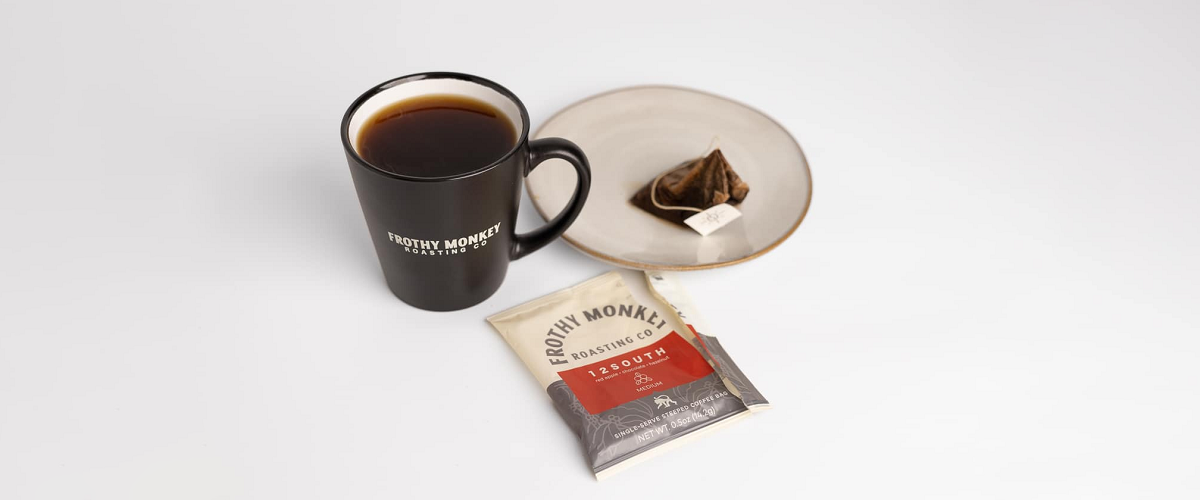
Single-serve coffee bags are pre-measured portions of ground coffee enclosed in filter-style packaging that functions similarly to a tea bag. Consumers simply place the bag into a cup, pour hot water over it, and allow it to steep to brew coffee.
This simple brewing method eliminates the need for additional equipment such as coffee makers, grinders, or capsules.
Key Characteristics of Single-Serve Coffee Bags
- Individually portioned coffee servings
- Filter material that allows water extraction
- Compact and lightweight packaging
- Easy brewing process similar to tea
Reasons for Their Growing Popularity
Several trends have contributed to the increasing demand for single-serve coffee bags:
Convenience-driven lifestyles
Consumers increasingly prefer products that save time and simplify preparation.
Growth of on-the-go consumption
Travel, office work, and outdoor activities drive demand for portable coffee solutions.
Rising interest in specialty coffee
Consumers want high-quality coffee experiences without complex brewing methods.
Environmental concerns
Compared to certain capsule systems, coffee bags can reduce packaging waste depending on materials used.
These advantages make single-serve coffee bags attractive to both consumers and coffee brands.
2. How Do Single-Serve Coffee Bags Improve Convenience for Modern Consumers?
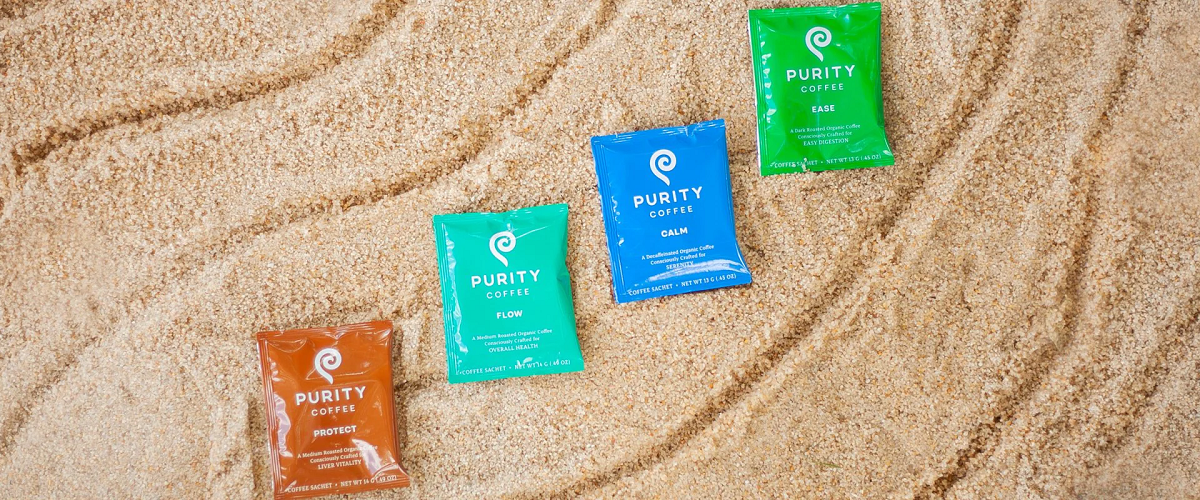
Convenience is the primary factor driving adoption of single-serve coffee bags.
Quick and Simple Brewing
Consumers only need three steps:
- Place the coffee bag in a cup
- Pour hot water
- Steep for several minutes
This eliminates the need for machines or complicated preparation.
Perfect Portion Control
Each bag contains a precisely measured amount of coffee, ensuring consistent taste and eliminating guesswork.
Ideal for Travel and Mobility
Single-serve coffee bags are highly portable, making them ideal for:
- Business travel
- Camping and outdoor activities
- Office use
- Hotel rooms
Reduced Cleanup
Unlike traditional brewing methods, coffee bags do not require filters, grounds disposal, or equipment cleaning.
These benefits significantly enhance the user experience for modern consumers who value efficiency and simplicity.
3. What Packaging Materials Are Best for Single-Serve Coffee Bags?
Packaging materials play a critical role in maintaining coffee freshness and protecting aroma.
Filter Materials for Brewing Bags
The brewing bag itself typically uses food-grade filter materials such as:
- Non-woven fabric
- PLA biodegradable filter paper
- Nylon mesh filters
These materials allow water to pass through while retaining coffee grounds.
Outer Flexible Packaging Materials
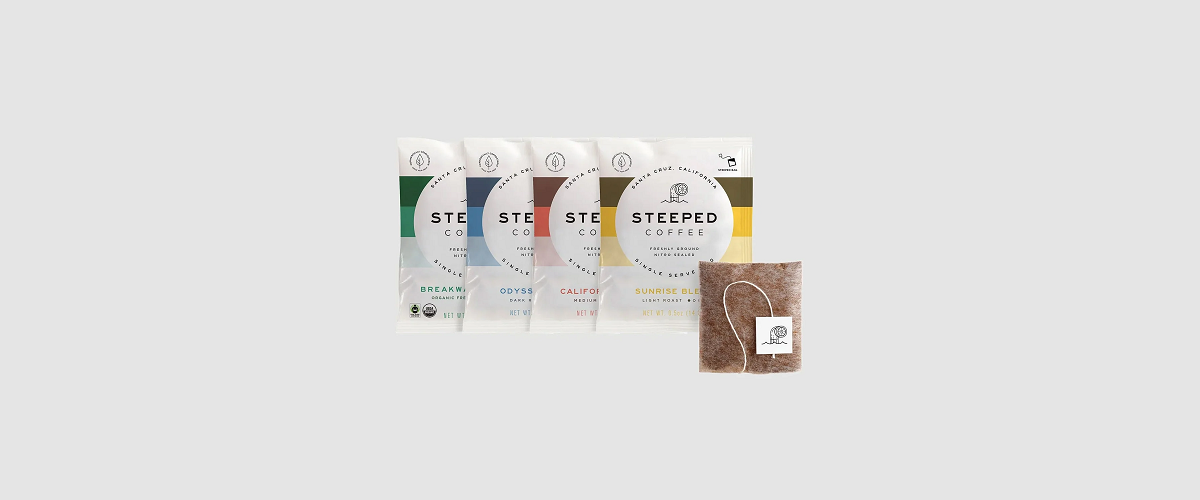
To preserve freshness before brewing, individual coffee bags are often sealed in protective outer pouches made from multilayer flexible packaging materials.
Common structures include:
| Material Structure | Key Advantages |
|---|---|
| PET / AL / PE | Excellent oxygen and moisture barrier |
| PET / VMPET / PE | Strong aroma protection with metallic layer |
| BOPP / PE | Cost-effective option for short shelf life |
Barrier Protection Requirements
Coffee is sensitive to:
- Oxygen exposure
- Moisture absorption
- Aroma loss
High-barrier flexible packaging helps maintain flavor quality during storage and transportation.
4. How Do Single-Serve Coffee Bags Help Coffee Brands Expand Their Market?
Single-serve coffee bags open new opportunities for coffee companies to reach broader audiences.
Access to New Consumer Segments
This packaging format appeals to:
- Travelers
- Office workers
- Students
- Outdoor enthusiasts
These groups may not purchase traditional coffee equipment.
Entry into New Sales Channels
Single-serve coffee bags are well suited for:
- Convenience stores
- Hotel amenities
- Airline catering
- E-commerce subscription boxes
Ideal for Sample and Trial Products
Coffee brands can offer:
- Flavor variety packs
- Seasonal blends
- Limited editions
This allows consumers to explore multiple products without committing to large packages.
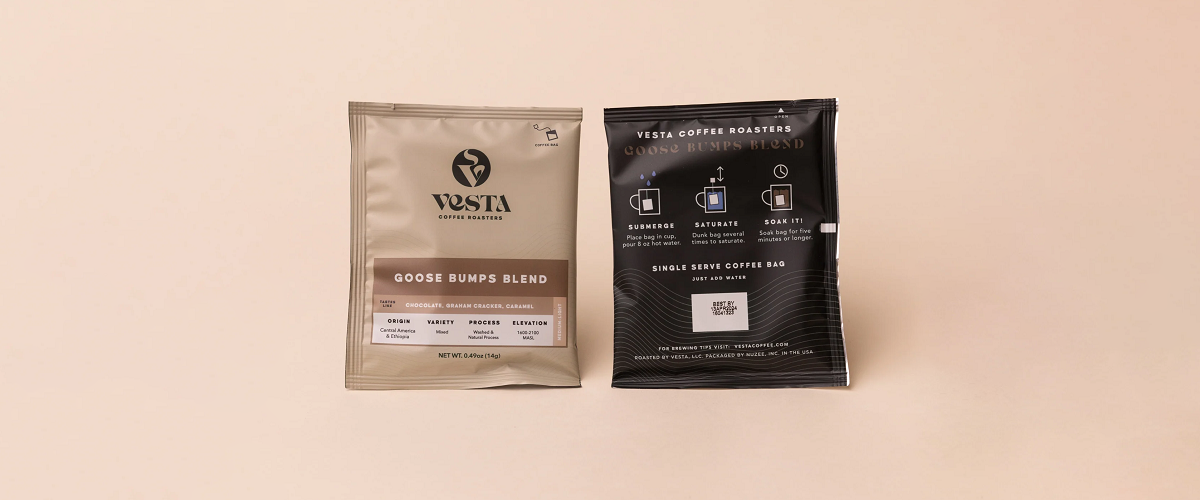
Enhanced Brand Differentiation
Unique packaging design, premium materials, and innovative brewing formats help brands stand out in competitive markets.
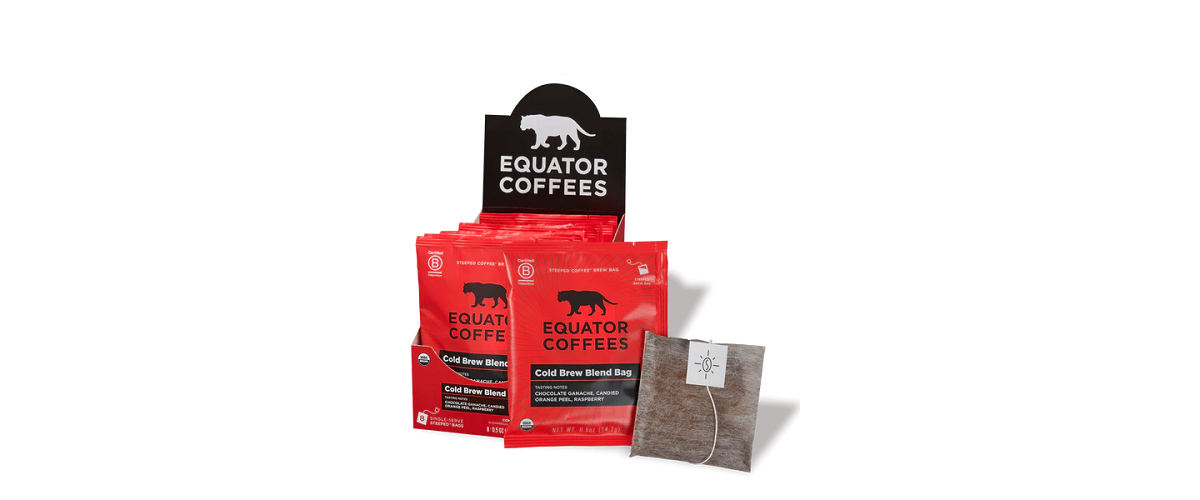
5. Single-Serve Coffee Bags: Key Advantages for Freshness, Portability, and Branding
For coffee brands considering new packaging strategies, single-serve coffee bags offer several strategic benefits.
Freshness Preservation
Individually sealed portions help maintain:
- Coffee aroma
- Flavor integrity
- Product quality
Excellent Portability
Lightweight flexible packaging makes these products ideal for mobile lifestyles.
Strong Branding Opportunities
Packaging designs can emphasize:
- Premium coffee origins
- Sustainability messaging
- Specialty roasting profiles
Efficient Logistics
Compared to rigid packaging, flexible pouches reduce:
- Shipping weight
- Storage space
- Transportation costs
Consumer-Friendly Experience
Single-serve coffee bags deliver convenience without sacrificing coffee quality.
FAQ
Are single-serve coffee bags the same as coffee capsules?
No. Coffee bags are brewed like tea bags and do not require special machines, while capsules need compatible coffee makers.
Do single-serve coffee bags maintain coffee freshness?
Yes. When individually sealed in high-barrier flexible packaging, they can effectively protect aroma and flavor.
Are coffee bags environmentally friendly?
Some coffee bags use biodegradable filter materials and recyclable outer packaging, making them more sustainable options.
What markets are best suited for single-serve coffee bags?
Travel retail, office environments, e-commerce, and hospitality sectors are particularly strong markets for this format.
Conclusion
Single-serve coffee bags represent an innovative and rapidly growing segment within the coffee packaging industry. By combining convenience, portability, and reliable flavor quality, they provide an attractive solution for modern consumers seeking quick yet satisfying coffee experiences. For coffee brands, investing in single-serve coffee bags offers opportunities to expand into new markets, introduce product variety, and strengthen brand differentiation. Supported by advanced flexible packaging materials that preserve freshness and aroma, this packaging format is poised to become an increasingly important part of the global coffee industry.