Would a Transparent Window Be Suitable for Your Product?
Anna_Yu
Would a Transparent Window Be Suitable for Your Product?
When customers stand in front of a shelf, they make decisions faster than they realize. Sometimes in just three to five seconds. In that short moment, packaging has to do a lot of work. It needs to attract attention, communicate quality, and build trust. This is where transparent window packaging quietly shines. Instead of telling customers how good your product is, it shows them.
Over the past few years, I’ve seen more brands—especially in food, snacks, and health products—move toward window packaging. Not because it’s trendy, but because it answers a basic consumer question: “What am I really buying?” A well-designed transparent window can reduce doubt, increase confidence, and often improve conversion rates without changing the product itself.
That said, transparent windows are not a universal solution. They work beautifully for some products and less so for others. In this article, I’ll walk you through what a transparent window really is, its advantages, how it affects branding and sales, and what materials are typically used—so you can decide if it’s right for your product.
1. What Is a Transparent Window?
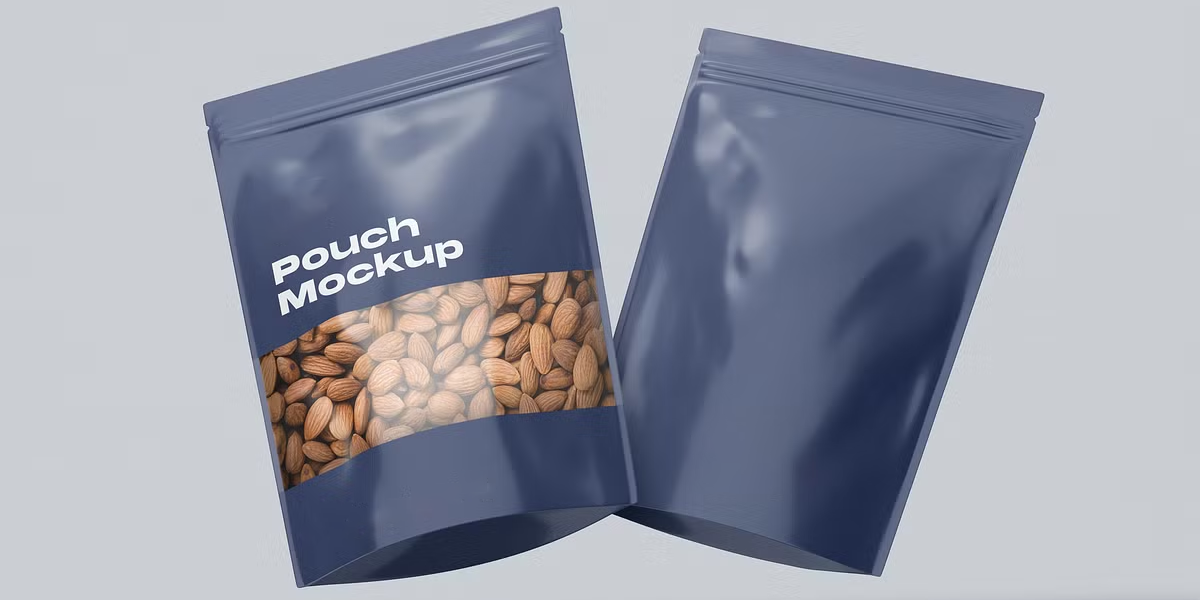
A transparent window is a clear section integrated into flexible packaging that allows consumers to see the actual product inside without opening the bag. It can be a full clear pouch or a partial window cut into an opaque or printed bag.
Transparent windows are commonly found in:
- Snack packaging
- Nuts and dried fruit bags
- Coffee and tea packaging
- Pet treats
- Candy and baked goods
From a structural point of view, the window is created by using clear film materials (such as PET, BOPP, or PE) or by leaving part of the laminate unprinted. In some cases, the window is shaped—like a leaf, oval, or brand icon—to add personality and visual interest.
The key purpose of a transparent window is visual confirmation. It reassures buyers that the product looks fresh, clean, and consistent with their expectations.
2. What Are the Advantages of Transparent Window Packaging?
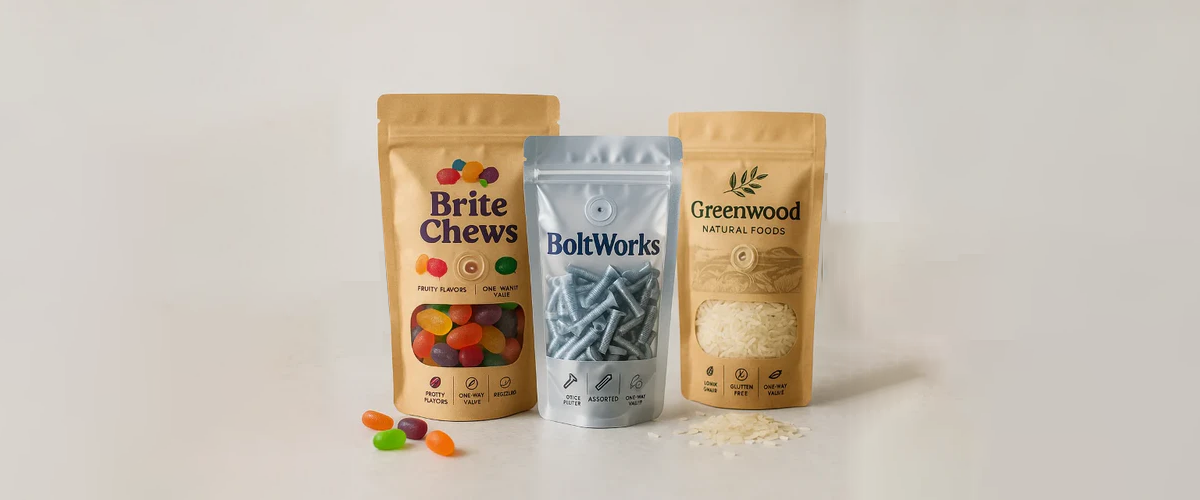
One of the biggest advantages of transparent window packaging is trust building. When customers can see the product directly, it reduces uncertainty. This is especially important for new brands or products that consumers are trying for the first time.
Another major benefit is stronger shelf appeal. A clear window creates contrast against fully printed packaging and naturally draws the eye. On crowded shelves, this visual break can help your product stand out without louder colors or heavier graphics.
Transparent windows also support premium positioning. Many consumers associate transparency with honesty and quality. In health foods, organic snacks, and pet products, clear windows often signal freshness and minimal processing.
From a marketing standpoint, window packaging can reduce the need for excessive claims. Instead of saying “whole nuts,” “large pieces,” or “premium quality,” the product itself becomes the proof.
However, it’s important to balance visibility with protection. Transparent windows must still meet barrier requirements, especially for products sensitive to moisture, oxygen, or light.
3. How Do Transparent Windows Affect Your Brand and Sales?
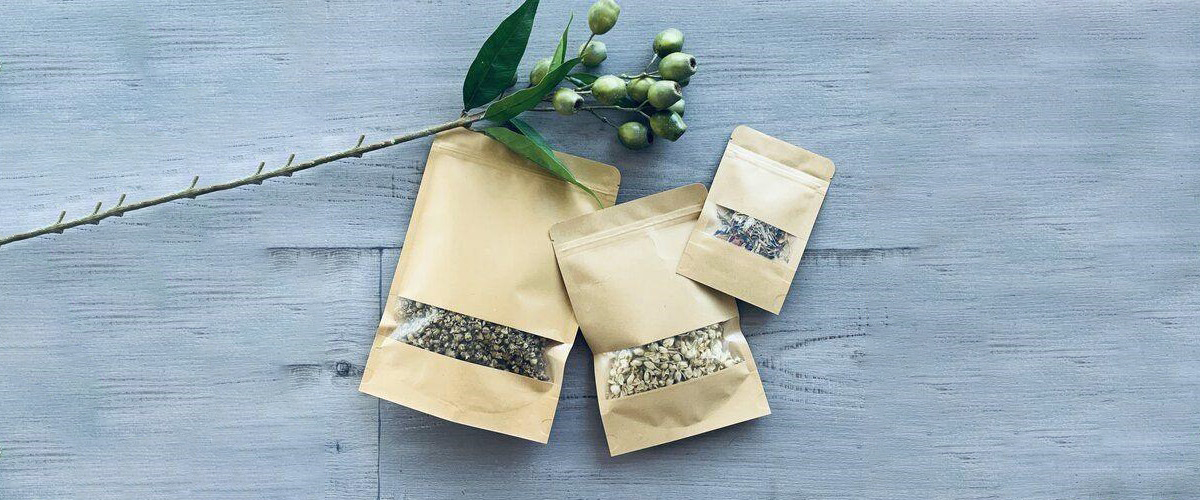
Transparent window packaging can have a measurable impact on consumer behavior and sales performance. Products with visible contents often experience higher pick-up rates, particularly in categories where appearance matters—such as nuts, candy, dried fruits, and pet snacks.
From a branding perspective, windows help communicate confidence. Showing the product openly suggests that the brand has nothing to hide. This can strengthen brand credibility, especially for smaller or emerging brands competing with established players.
Windows also influence purchase reassurance. Customers feel more confident knowing exactly what they are buying, which can reduce returns and complaints caused by mismatched expectations.
That said, transparent windows also raise the bar for product consistency. If the contents vary in size, color, or quality, transparency can work against you. In these cases, partial windows or frosted transparency may be a better option.
In short, transparent windows don’t just decorate packaging—they actively shape perception, trust, and buying decisions.
4. What Materials Are These Transparent Windows Typically Made Of?
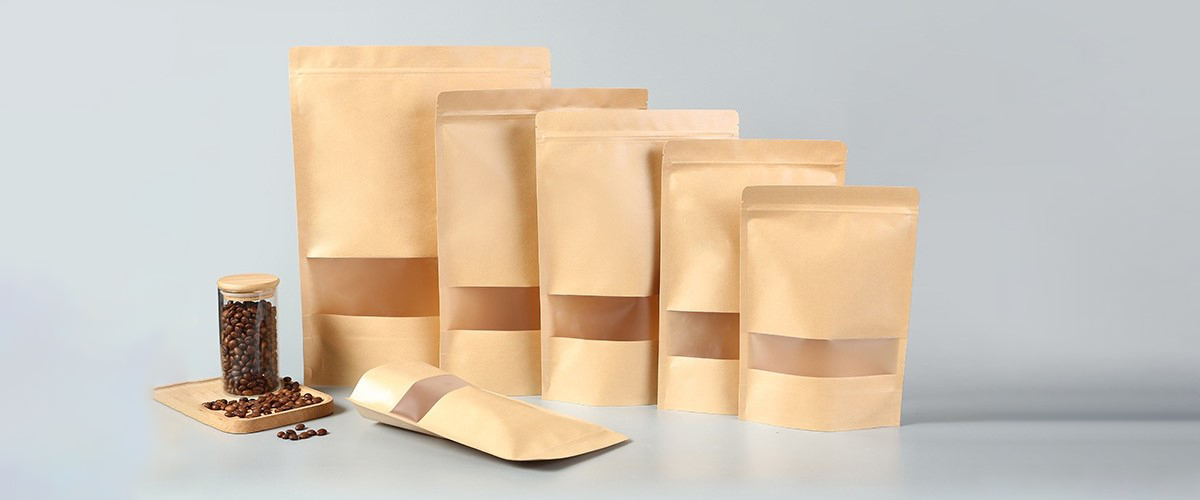
Transparent windows are usually made from clear plastic films that are food-safe and compatible with flexible packaging structures.
Common materials include:
-
PET (Polyester)
Known for clarity, strength, and good barrier performance. Often used as an outer or window layer. -
BOPP (Biaxially Oriented Polypropylene)
Offers excellent transparency and stiffness. Common in snack and dry food packaging. -
PE (Polyethylene)
Frequently used as an inner sealing layer. Clear PE windows are flexible and cost-effective. -
CPP (Cast Polypropylene)
Provides good heat-sealing properties and clarity, often used for inner layers.
For brands focused on sustainability, mono-material transparent windows (such as all-PE or all-PP structures) are becoming more popular, as they improve recyclability while maintaining visibility.
Material selection should always consider:
- Barrier needs
- Shelf life requirements
- Printing compatibility
- Sustainability goals
FAQ
Are transparent windows safe for food packaging?
Yes. When made from food-grade materials and produced under proper standards, they are completely safe.
Do transparent windows reduce shelf life?
Not necessarily. With the right materials and structure, window packaging can maintain strong barrier performance.
Is transparent window packaging more expensive?
It can be slightly higher in cost, but often delivers better conversion and perceived value.
Can transparent windows be combined with matte finishes?
Absolutely. Matte printed areas with clear windows are very popular for premium products.
Conclusion
A transparent window can be a powerful packaging feature—but only when used thoughtfully. It builds trust, enhances shelf appeal, and lets your product speak for itself. For products where appearance matters and quality is consistent, transparent window packaging can significantly boost brand confidence and sales. The key is choosing the right materials, structure, and design balance to protect your product while showcasing its best qualities.