Your Custom Cookie Packaging Guide
Anna_Yu
Your Custom Cookie Packaging Guide
Before diving into the structure, materials, and design strategies of modern cookie packaging, it is essential to understand why packaging has evolved from a simple protective shell into a complete branding, marketing, and consumer-experience system. In recent years, the global bakery and confectionery market has experienced steady growth, driven by rising consumer demand for convenience foods, premium snacks, and high-value gifting products. Cookies—whether artisan, gourmet, organic, sugar-free, or mass-produced—are increasingly competing in crowded retail displays, e-commerce platforms, and international markets. As competition intensifies, packaging has become one of the most influential elements shaping purchasing decisions.
Modern consumers no longer look only at product flavor and quality—they evaluate packaging aesthetics, usability, sustainability, and perceived value. Packaging is now a silent salesperson, a branding ambassador, and a freshness-protection specialist. Whether you are a bakery, snack manufacturer, private-label brand, or e-commerce seller, choosing the right cookie packaging impacts shelf appeal, freshness retention, shipping safety, and the perceived premium level of the product. This guide provides a detailed, professional, and market-oriented overview to help you make the best packaging decisions for your brand. You will learn how different bag styles work, why certain materials dominate the cookie industry, and how functional features can dramatically improve the consumer experience.
1. Why is packaging more important than ever?
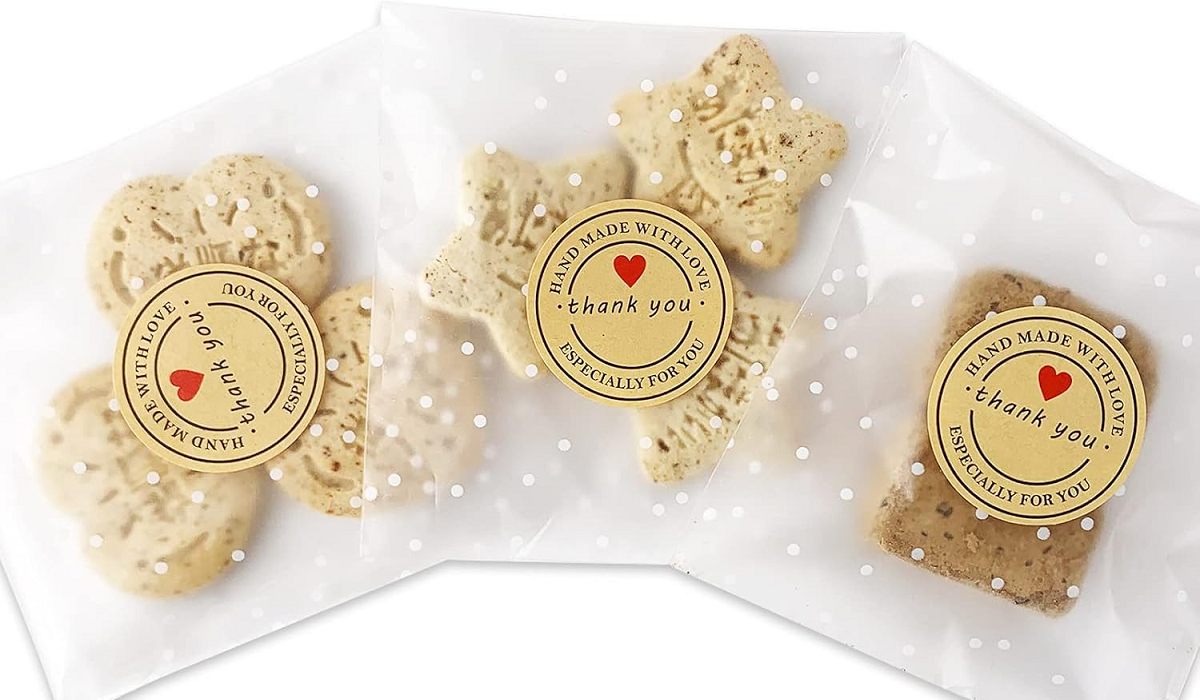
The importance of cookie packaging has skyrocketed in recent years due to several key factors in the global food industry:
1.1 Packaging is a major influence on purchase decisions
Studies show that up to 70% of purchase decisions in snacks are made at the shelf, driven heavily by packaging visuals and perceived quality. For cookies—an impulse-buy category—colors, patterns, clarity windows, and bag structure significantly influence consumer psychology.
1.2 Packaging protects freshness in an increasingly complex supply chain
Cookies are highly sensitive to moisture and oxygen, which directly affect crispness and overall quality. Modern packaging must prevent:
- Moisture absorption
- Oxidation
- Aroma loss
- Texture softening
- Crushing during transport
Today's supply chain includes long-distance shipping, variable climates, and extended storage—making high-performance packaging essential.
1.3 The rise of e-commerce increases packaging demands
With more brands selling cookies through online marketplaces, packaging must withstand:
- Compression
- Long transit times
- Possible temperature fluctuations
- Handling risks
This makes strong barrier films, multi-layer structures, and sturdy pouch types more necessary than ever.
1.4 Sustainability matters more to consumers
Eco-friendly packaging is a selling point. Brands must consider:
- Recyclable materials (PE, mono-material)
- Biodegradable or compostable films
- Paper-based alternatives
- Reduced-plastic laminations
Cookie packaging is evolving rapidly to meet these expectations while maintaining performance.
1.5 Packaging helps brands differentiate in a crowded market
Unique material textures, printing techniques, shapes, and customization options help brands stand out. Limited editions, seasonal packaging, and storytelling design further boost engagement.
2. Let's explore the main styles of cookie packaging.
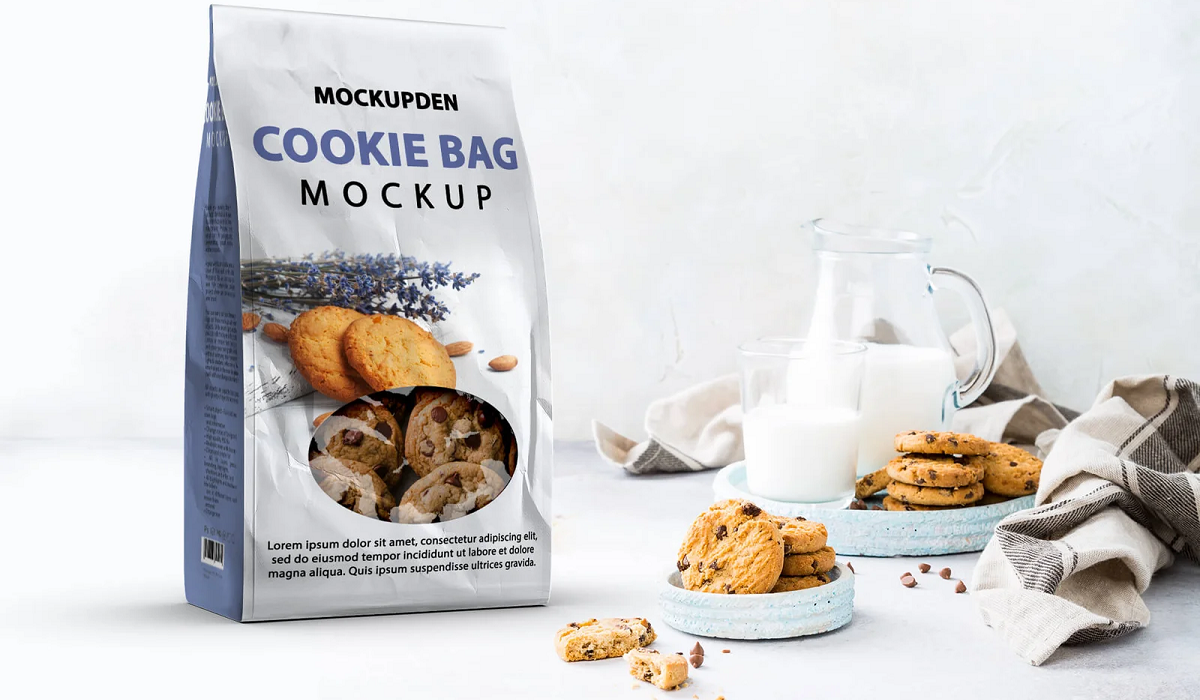
Cookies come in many forms—soft baked, crisp, filled, sandwich-style, mini packs, or luxury gift cookies. Each type requires a different style of packaging. Below are the most common and most effective packaging types used worldwide.
2.1 Stand-Up Pouch
One of the most widely used packaging options, chosen for its excellent balance of cost, convenience, and branding potential.
Key advantages:
- Stands upright on shelves, boosting visibility
- Large printable surface for branding
- Compatible with zippers for resealability
- Suitable for cookies of various sizes
- Lightweight yet durable
Best for:
Everyday cookies, mini cookies, kids’ snacks, e-commerce delivery.
2.2 Flat Bottom Pouch (Box Pouch)
A premium packaging option that mimics a rigid box but with flexible packaging efficiencies.
Advantages:
- High-end appearance
- Excellent shelf presentation
- Strong bottom structure
- Multiple gussets allow more content
- Strong brand differentiation
Best for:
Premium cookies, artisan or bakery-style products, luxury gift sets.
2.3 Pillow Pouch
A traditional, economical packaging form commonly used in high-volume production.
Advantages:
- Cost-effective
- High packing efficiency
- Compatible with automatic packing machines
- Lightweight and simple
Best for:
Small cookies, single-serve packs, seasonal candy cookies.
2.4 Gusseted Bags (Side Gusset)
Ideal for larger volumes and professional bakery-style packaging.
Advantages:
- Expanded capacity
- Stable structure
- Good for bulk or family-sized cookies
Best for:
Bulk cookies, wholesale, value packs.
2.5 Kraft Paper Pouches
A popular option for natural, organic, or artisan cookie brands.
Advantages:
- Strong eco-friendly visual appeal
- Premium craft texture
- Printable surface for rustic or modern aesthetics
- Can include windows to showcase product
Best for:
Organic cookies, handmade bakery cookies, gourmet snacks.
2.6 Window Bags
Allow customers to see the product—a powerful way to build trust and increase purchase intention.
Advantages:
- Transparency encourages impulse buying
- Adds visual differentiation
- Works for multiple bag types (stand-up, flat bottom, kraft)
Best for:
Chocolate chip cookies, colorful cookies, shaped cookies.
3. What materials are used for biscuit packaging?
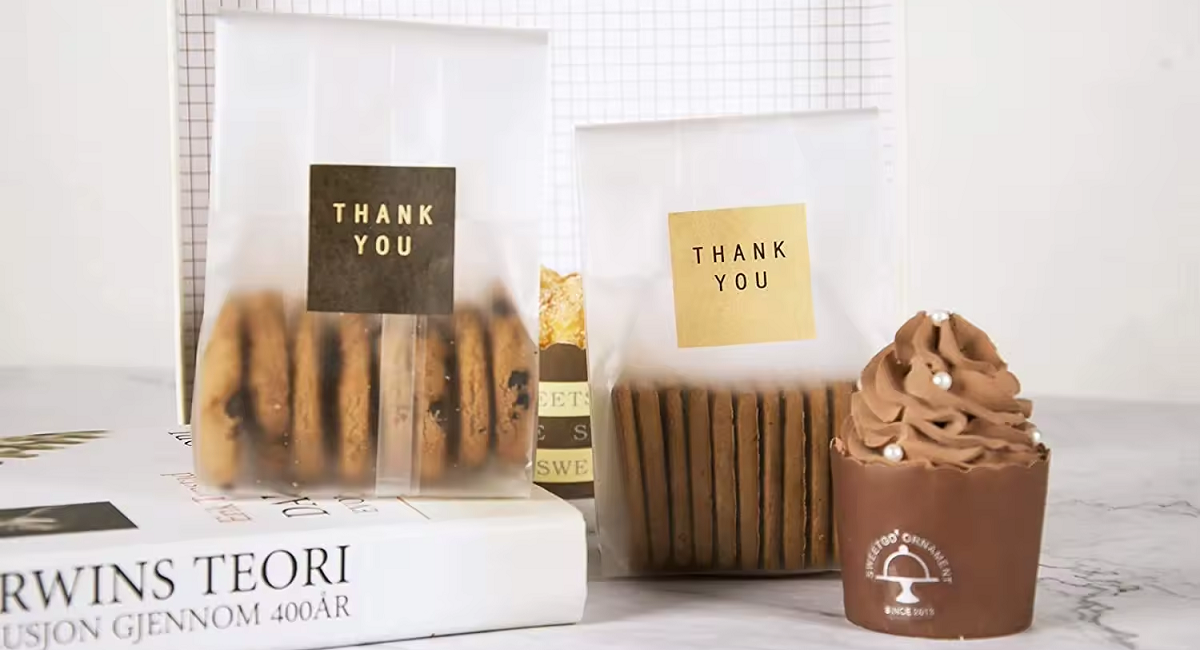
Cookie packaging materials must protect flavor, texture, and freshness while allowing efficient manufacturing and appealing design. The most common materials include:
3.1 PET (Polyethylene Terephthalate)
A top layer film known for strong printability and durability.
Benefits:
- High clarity and transparency
- Strong barrier against moisture
- Excellent stiffness for shelf impact
- Ideal for high-quality printing
3.2 BOPP (Biaxially Oriented Polypropylene)
One of the most popular materials in the snack industry.
Benefits:
- Lightweight and cost-effective
- Good moisture protection
- Suitable for single-serve pillow bags
- Glossy and crisp texture
3.3 METPET (Metalized PET)
Used for premium barrier protection.
Benefits:
- Strong light and oxygen barrier
- Enhances shelf life
- Gives packaging a metallic premium look
3.4 Kraft Paper
A natural, eco-friendly option.
Advantages:
- Sustainable and rustic
- Strong branding style
- Works well for artisan cookies
When laminated with PE or PLA, kraft paper offers both aesthetics and improved barrier performance.
3.5 AL Foil (Aluminum Foil)
Used mainly for cookies requiring maximum oxygen protection.
Advantages:
- Excellent moisture and oxygen barrier
- Suitable for long-term storage
- Premium appearance
3.6 PE (Polyethylene)
Used as the sealing layer on most laminated bags.
Advantages:
- Food-safe
- Strong heat sealability
- Flexible and durable
3.7 PLA (Biodegradable Material)
A future-oriented, compostable option.
Advantages:
- Plant-derived
- Biodegradable
- Popular for eco-friendly brands

4. What are the characteristics and benefits of these materials?
To ensure long-lasting freshness, crispness, and flavor, the selected materials must offer a balance of performance, sustainability, and user experience. Below is an analysis of how these materials help brands deliver better products.
4.1 Moisture Resistance
Cookies lose crispness rapidly when exposed to humidity.
Materials like BOPP, PET, and METPET prevent moisture migration, which is essential for:
- Tropical climates
- Humid environments
- Long shipping routes
4.2 Oxygen Barrier
Oxygen causes rancidity, flavor loss, and texture changes.
Using films like METPET, AL foil, or high-barrier PET significantly extends shelf life.
4.3 Structural Protection
Cookies are fragile. Packaging materials contribute to crush resistance:
- PET for stiffness
- Multi-layer lamination for durability
- Flat bottom pouches for stability
4.4 Heat Sealability
PE and CPP layers ensure the bag seals tightly, preventing contamination or leakage.
4.5 Print Quality & Aesthetics
Enhanced branding is possible with materials like:
- PET for glossy, vibrant prints
- Kraft paper for earthy textures
- Matte laminations for a premium look
4.6 Eco-Friendliness
Brands can reduce their environmental footprint by choosing:
- Kraft paper laminated with PE
- Mono-material recyclable PE structures
- Biodegradable PLA
4.7 Consumer Convenience
Functional features improve the overall user experience:
- Zippers for resealing
- Tear notches for easy opening
- Windows for visual appeal
- Rounded corners for safety
FAQ
1. What is the best packaging for cookies sold online?
Flat bottom pouches or reinforced stand-up pouches offer the best durability for shipping.
2. Are kraft paper bags suitable for long-term storage?
Only when laminated with barrier films like PET or PE; plain kraft is not moisture-resistant.
3. Which packaging is the most eco-friendly?
Mono-material PE or PLA-based bags are the most sustainable for cookies.
4. How do I prevent cookies from becoming soft?
Choose high-barrier laminations such as METPET or aluminum foil and ensure proper sealing.
5. Are window bags safe for cookies?
Yes, when the window material is food-grade and the bag maintains proper barrier integrity.
Conclusion
The world of cookie packaging is evolving rapidly, driven by consumer expectations, branding needs, and technological advancements. Whether your priority is sustainability, freshness protection, shelf appeal, or premium aesthetics, the right combination of bag structure, materials, and design features can elevate your product to a new level. Cookies are delicate and highly sensitive to moisture and oxygen; choosing poor packaging can undermine even the best recipe. On the other hand, well-designed packaging enhances flavor preservation, improves consumer experience, boosts brand value, and strengthens your competitive edge in both retail and online markets. By understanding industry trends and selecting professional packaging solutions, your cookie brand will have the ability not only to stand out—but to thrive.