Your Shrimp Chip Product Needs Better Flexible Packaging
Anna_Yu
Your Shrimp Chip Product Needs Better Flexible Packaging
Shrimp chips, also known as prawn crackers or shrimp snacks, are a popular seafood-based snack enjoyed across Asia, Europe, and increasingly in global snack markets. Their light, airy texture and distinctive seafood flavor make them highly appealing to consumers—but also extremely vulnerable to quality degradation. Crunchiness loss, flavor oxidation, moisture absorption, and breakage are common problems when shrimp chips are packaged improperly.
Unlike many dry snacks, shrimp chips contain natural oils, seafood-derived aromas, and fragile expanded structures. This combination makes them especially sensitive to oxygen, moisture, light, and mechanical pressure during storage and transportation. As shrimp chip brands expand into modern retail, e-commerce, and export channels, traditional or low-performance packaging is no longer sufficient to protect product integrity.
Flexible packaging has become the preferred solution for shrimp chip products worldwide. Compared with rigid containers or basic plastic bags, flexible packaging offers superior barrier protection, better cushioning, reduced transportation costs, and exceptional design flexibility. When engineered correctly, flexible packaging not only preserves crunchiness and flavor but also elevates brand perception and shelf impact.
This article explains why your shrimp chip product needs better flexible packaging by examining freshness and texture protection, suitable flexible packaging formats, the role of barrier properties, shelf-impact features, and the key factors brands must consider when upgrading shrimp chip packaging for long-term success.
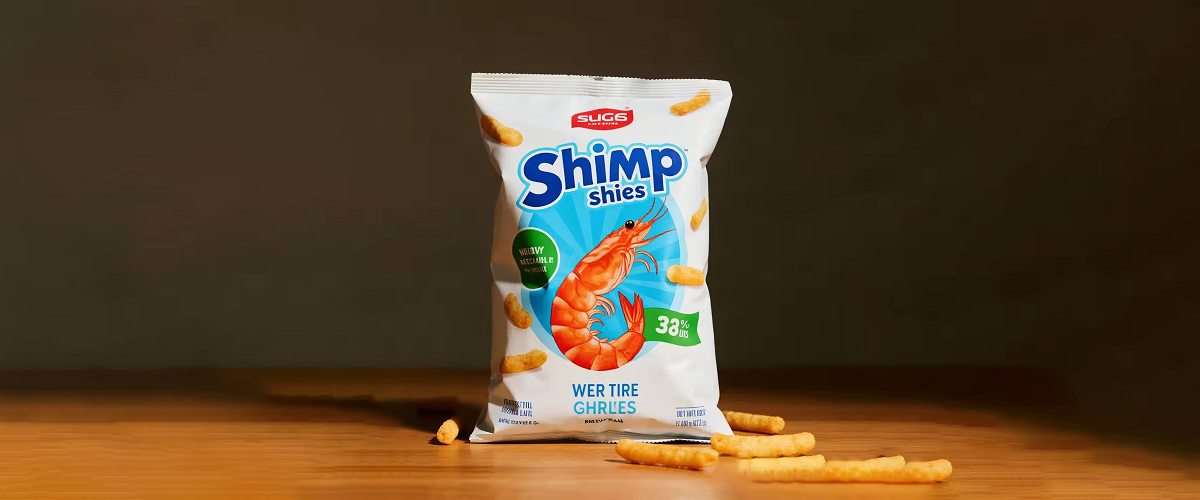
1. Why Does Shrimp Chip Packaging Matter for Product Freshness and Crunchiness?
Packaging plays a decisive role in maintaining the signature crunch and flavor of shrimp chips.
Moisture Sensitivity and Texture Loss
Shrimp chips are extremely sensitive to moisture. Even small amounts of moisture ingress can cause:
- Loss of crispness
- Chewy or soggy texture
- Reduced consumer satisfaction
Once crunchiness is lost, the product is difficult to recover.
Oxygen Exposure and Flavor Degradation
Shrimp chips contain oils and seafood-based flavor compounds that oxidize quickly when exposed to oxygen. This leads to:
- Rancid or stale flavors
- Aroma loss
- Shortened shelf life
High-performance packaging is essential to slow oxidation.
Fragile Product Structure
Expanded shrimp chips break easily during handling and transport. Packaging must provide:
- Cushioning support
- Internal pressure control
- Resistance to crushing
Flexible packaging is well suited to address these challenges.

2. What Types of Flexible Packaging Are Best for Shrimp Chips?
The best flexible packaging format depends on product volume, sales channel, and brand positioning.
Pillow Bags
Pillow bags are widely used for shrimp chips due to:
- Compatibility with nitrogen flushing
- Cost efficiency for high-volume production
- Suitability for automated packing lines
They are ideal for mass-market shrimp chip products.
Stand-Up Pouches (Doypacks)
Stand-up pouches are suitable for:
- Premium shrimp chips
- Flavored or gourmet varieties
- Retail-focused brand positioning
They offer strong shelf presence and support resealable features.
Flat Bottom Bags (Box Pouches)
Flat bottom bags are often used for:
- Premium or export-oriented shrimp chip brands
- Gift packs or specialty seafood snacks
They provide excellent stability and multiple branding panels.
Multi-Pack and Family-Size Formats
Flexible packaging allows easy scaling into:
- Large family packs
- Multi-pack retail bundles
Without sacrificing barrier performance.
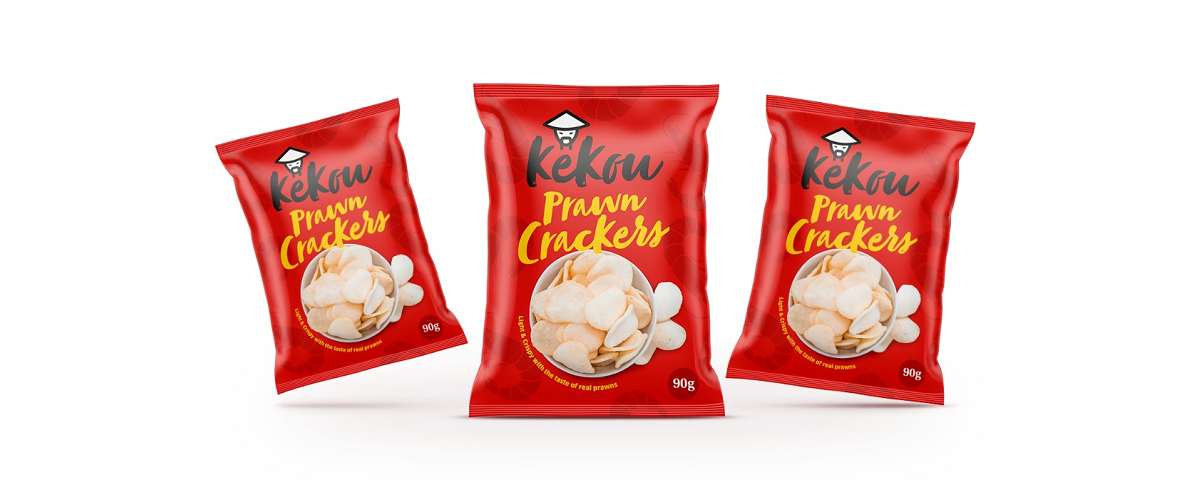
3. How Do Barrier Properties Affect Shrimp Chip Shelf Life and Flavor Protection?
Barrier performance is critical for shrimp chip packaging success.
Oxygen Barrier
Oxygen exposure accelerates:
- Oil oxidation
- Flavor breakdown
- Color changes
High oxygen barrier materials significantly extend shelf life and preserve taste.
Moisture Barrier
Effective moisture barriers prevent:
- Texture softening
- Clumping
- Quality inconsistency
This is especially important in humid climates.
Light Protection
Light accelerates oxidation of oils and seasonings. Metallized or aluminum-based layers help protect shrimp chips from UV exposure.
Nitrogen Flushing Compatibility
Shrimp chips are commonly packed using nitrogen flushing to:
- Reduce oxygen content
- Cushion fragile chips
- Prevent breakage
Flexible packaging materials must support stable gas retention.
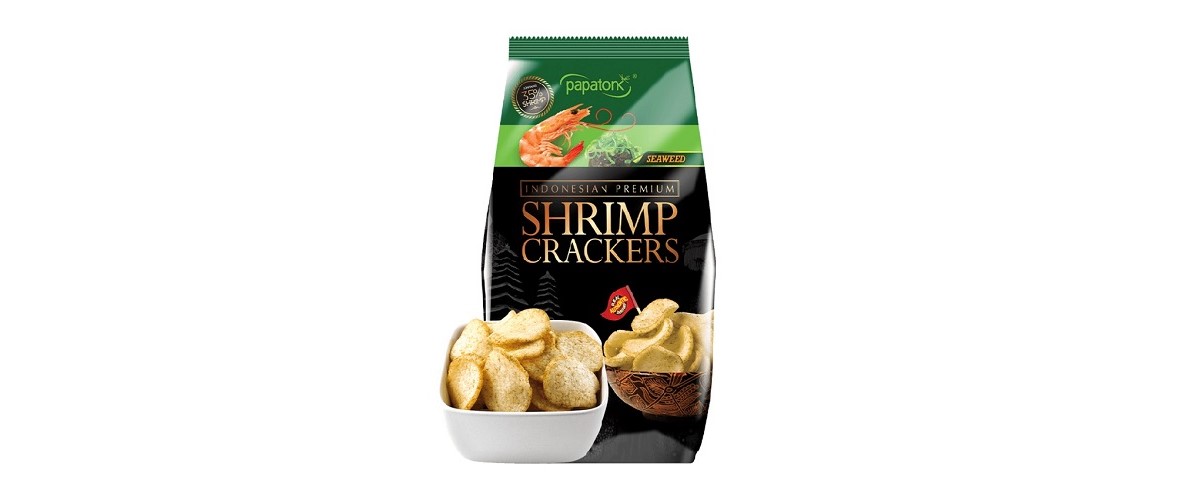
4. What Packaging Features Help Shrimp Chips Stand Out on Retail Shelves?
Modern shrimp chip packaging must perform both functionally and visually.
High-Impact Printing and Design
Flexible packaging supports:
- Full-surface, high-resolution graphics
- Vibrant seafood imagery
- Bold branding and flavor cues
Helping products stand out in crowded snack aisles.
Transparent Windows (Controlled Use)
Small windows can showcase product quality, but excessive transparency may reduce barrier protection and shelf life.
Easy-Open Features
Tear notches and easy-open seals improve first-use experience and reduce consumer frustration.
Resealable Options
Zippers are ideal for:
- Multi-serve shrimp chip packs
- Family-size products
They help maintain crunchiness after opening.
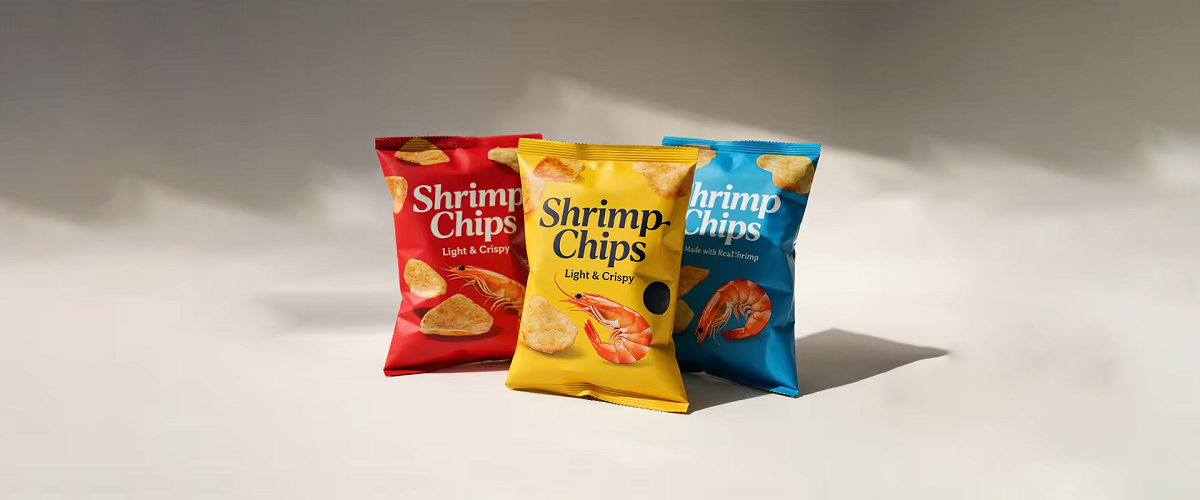
5. Better Flexible Packaging for Shrimp Chips: Key Factors Brands Should Consider
Upgrading shrimp chip packaging requires a strategic approach.
Shelf-Life Requirements
Most shrimp chips require 6–12 months of shelf life, while export products may need longer protection.
Distribution and Export Conditions
Packaging must withstand:
- Long-distance transportation
- Temperature fluctuations
- Humid storage environments
High-barrier laminates are essential for export markets.
Cost vs. Performance Balance
Aluminum foil structures provide maximum protection, while metallized films offer a cost-effective balance for mainstream products.
Sustainability Trends
Brands increasingly consider:
- Material downgauging
- Recyclable flexible packaging structures
- Reduced packaging weight
To align with global sustainability expectations.
Brand Positioning Strategy
Packaging should clearly communicate:
- Product freshness and crunch
- Flavor differentiation
- Brand quality level
Turning packaging into a sales-driving asset.
FAQ
Why do shrimp chips lose crunchiness so easily?
Because they are highly sensitive to moisture and oxygen exposure.
Is nitrogen flushing necessary for shrimp chip packaging?
Yes. It helps preserve texture, prevent oxidation, and reduce breakage.
Do shrimp chips need aluminum foil packaging?
Not always. Metallized films may be sufficient for many applications.
Are stand-up pouches suitable for shrimp chips?
Yes, especially for premium or resealable retail products.
Conclusion
Shrimp chips are a delicate snack that demands high-performance packaging to maintain crunchiness, flavor, and visual appeal. Flexible packaging provides the barrier protection, cushioning, and design flexibility needed to meet modern retail and export requirements. By selecting the right packaging formats, materials, and functional features, shrimp chip brands can significantly improve shelf life, reduce quality complaints, and strengthen their competitive position. In today’s global snack market, better flexible packaging is not an option—it is a necessity for shrimp chip product success.